


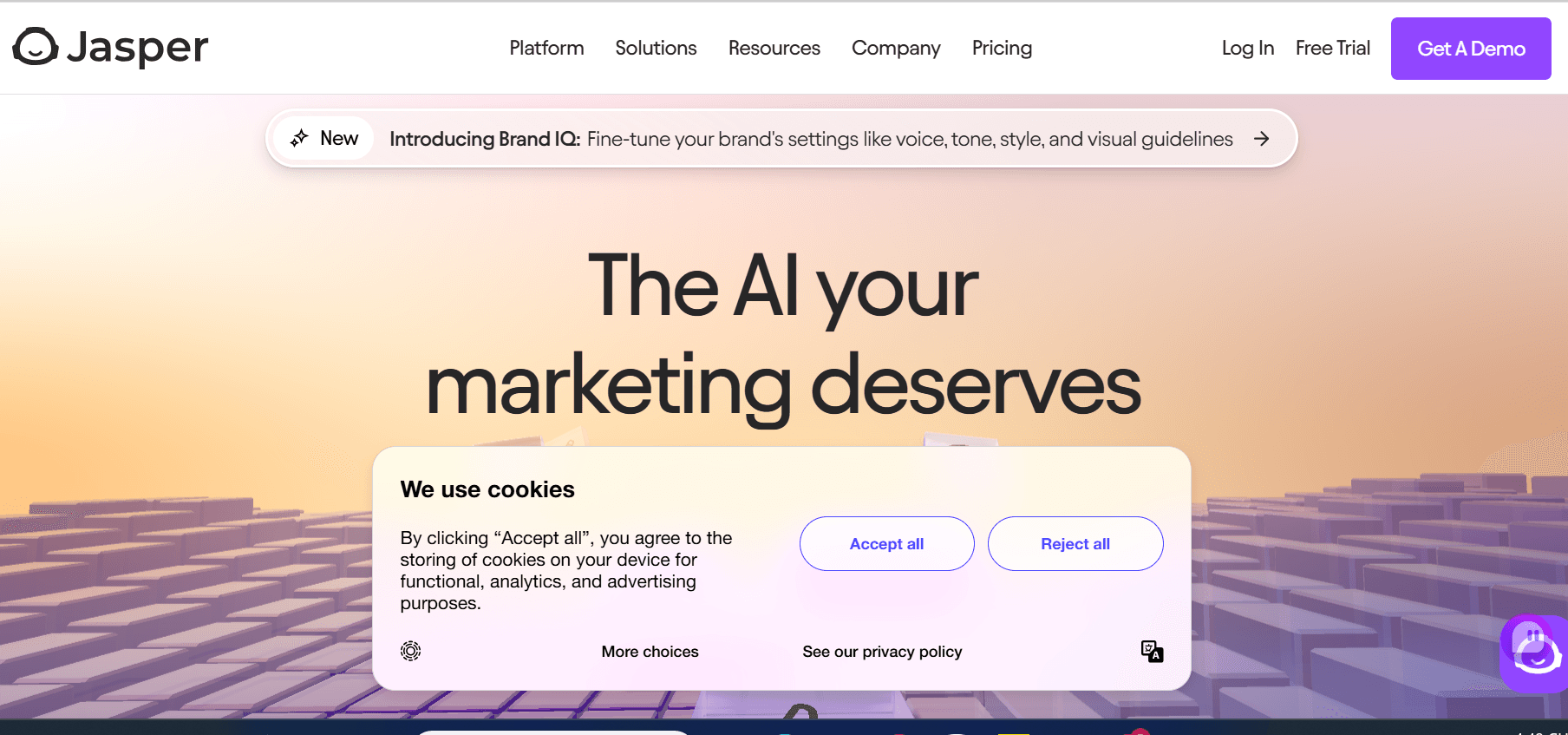
Copywriting in 2024 is evolving rapidly. Stick with outdated tactics, and your message might fall flat. The good news? Keeping up with the latest copywriting trends for 2024 is easier than you think. These trends will help you create fresh, engaging, compelling content, from conversational copy to AI-powered tools.
Whether you’re a seasoned marketer or a small business owner refining your messaging, these modern copywriting techniques will ensure you stand out in today’s competitive digital landscape.
I. Conversational Copy: Talk Like a Human (On the Internet)
Gone are the days when formal tones and buzzwords ruled the copywriting world. Today, your audience wants authenticity—think less “corporate memo” and more “texting a friend.” The twist? Internet Speak is your new best friend.
Gen Z, for example, loves brands that feel approachable and cool. Studies show they’re more likely to buy from companies that reflect this vibe. Even if you’re not targeting Gen Z, this trend applies.
How to Nail It:
Pro Tip: Add a splash of emojis where appropriate. 🎉 They’re small but mighty tools to make your tone pop!
II. Launch Messaging: Same Funnel, Fresh Hook
Let’s face it—launch funnels are starting to feel... predictable. If you’re still using the same webinar or email funnel, it’s time for a refresh. But don’t panic; you don’t need to reinvent the wheel. You need a fresh angle.
Why? Audiences are more intelligent, savvier, and more sceptical. To grab their attention, you’ll need to emphasize “why now”—the urgency and relevance of your offer.
Example:
Instead of running a traditional webinar for your online course launch, try this:
“Join our exclusive 3-day productivity bootcamp, featuring live Q&A sessions, a behind-the-scenes look at how we built the course, and a downloadable workbook to get started immediately!”
This hook turns a typical webinar into an engaging event that creates FOMO (fear of missing out) and adds immediate value. Highlighting the live element and exclusive resources gives your audience a compelling reason to join.
How to Stand Out:
III. Storytelling Backed by Proof
Storytelling is the undisputed king of copywriting, but here’s the twist for 2024: It must be backed by hard facts. People are researching before spending a dime—especially in today’s economy.
Developing user-generated content (UGC) and social proof highlights this trend. Potential customers trust other buyers more than they trust your sales pitch.
How to Use It:
Example:
Imagine you’re selling an online course on productivity. Instead of just saying, “This course will change your life,” share a story:
“Amanda, a busy working mom, struggled to manage her time. After taking our course, she streamlined her schedule and found time to launch her side business. Here’s her before-and-after productivity plan.”
Pair this story with Amanda’s actual testimonial and a photo of her working from her newly organized home office. This combination of storytelling and proof adds credibility and makes your claims relatable.
Pro Tip:
Don’t just tell—show. Sprinkle in screenshots, photos, or videos of customers using your product. Visual proof enhances trust and engagement.
How to Use It:
Pro Tip: Don’t just tell—show. Sprinkle in screenshots, photos, or videos of customers using your product.
IV. Personalization: Tailored to Perfection
Have you ever opened an email and thought, “This product is exactly what I need”? That’s personalization at work; in 2024, it’s not optional. From emails to SMS to chatbots, your audience expects messaging that feels designed for them.
Pro Tip: Combine personalization with conversational tones for double the impact.
Example:
Imagine you run an online store selling home decor. Instead of sending a generic promotion to everyone, segment your audience and tailor the email like this:
“Hi [Name], we noticed you recently bought a modern wall art set. Looking to enhance your space even more? Check out our collection of stylish LED lights—perfect for creating a cozy, inviting atmosphere!”

This type of personalization shows you understand the customer’s journey and potential needs, making them more likely to engage with your offer.
V. Ready, Fire, Aim: Test Your Ideas Fast
In 2024, experimentation is critical. Many marketers test ideas on platforms like Twitter (or X), gauging audience reactions and iterating in real-time. Think of it as building the plane while flying it.
How to Try It: Post quick ideas or concepts on social media to see what resonates. Use high-engagement ideas as the foundation for more extensive campaigns or offers. Embrace transparency—it builds trust and connection with your audience.
VI. Micro Copy: Small Details, Big Impact
Microcopy is like Easter eggs for your audience—small bits of text that surprise and delight them. Think placeholder text in forms, quirky footer messages, or creative error page messages.
Why It Works:
- It makes your brand more personable and engaging.
- Builds trust and makes the user experience memorable.
Where to Add It:
VII. Voice Search Optimization: Be Heard (Literally)
With more people using intelligent assistants like Alexa and Siri, voice search optimization is crucial. That means crafting copy that mimics natural speech patterns.
What to Do:
Example:
Traditional text search might look like this:
“best budget laptops 2024”
But voice search would sound more like this:
“What’s the best laptop I can buy on a budget in 2024?”
If your content only targets short, robotic keywords, it may not rank for these conversational searches. Adjust your copy to anticipate full-sentence queries.
VII. Voice Search Optimization: Be Heard (Literally)
With the development of AI assistants such as Alexa, Siri, and Google Assistant, voice search optimization is more critical than ever. Voice searches account for a growing share of online queries, and they’re phrased differently than traditional text searches. The key? Write copy that mimics natural speech patterns to ensure your content stands out.
What to Do:
Example:
Traditional text search might look like this:
“best budget laptops 2024”
But voice search would sound more like this:
“What’s the best laptop I can buy on a budget in 2024?”
If your content only targets short, robotic keywords, it may not rank for these conversational searches. Adjust your copy to anticipate full-sentence queries.
How to Optimize for Voice Search:
- Create Conversational Content: Write naturally, as though speaking directly to your audience. Avoid overly formal or technical language.
- Example: Instead of “Maximize your productivity with these techniques,” try “How can you stay productive all day?”
- Revamp Your FAQ Section: FAQs are a goldmine for voice search optimization. Phrase questions as people would ask them aloud:Instead of: “Product features of XYZ Widget,”
- Use: “What are the key features of the XYZ Widget?”
- Focus on Featured Snippets: Voice assistants often pull answers directly from Google’s featured snippets. Structure your content in concise, direct formats:Use bullet points, numbered lists, or short paragraphs to answer common questions.
- Local Voice Search: If you’re a local business, optimize for location-based queries like:“Where’s the best coffee shop near me?”
- Include terms like “near me,” “closest,” and city names in your content.
Pro Tip:
Test your voice search readiness by reading your content aloud. If it doesn’t flow naturally or sounds awkward, rewrite it. Simplicity and clarity are vital to capturing voice search traffic.
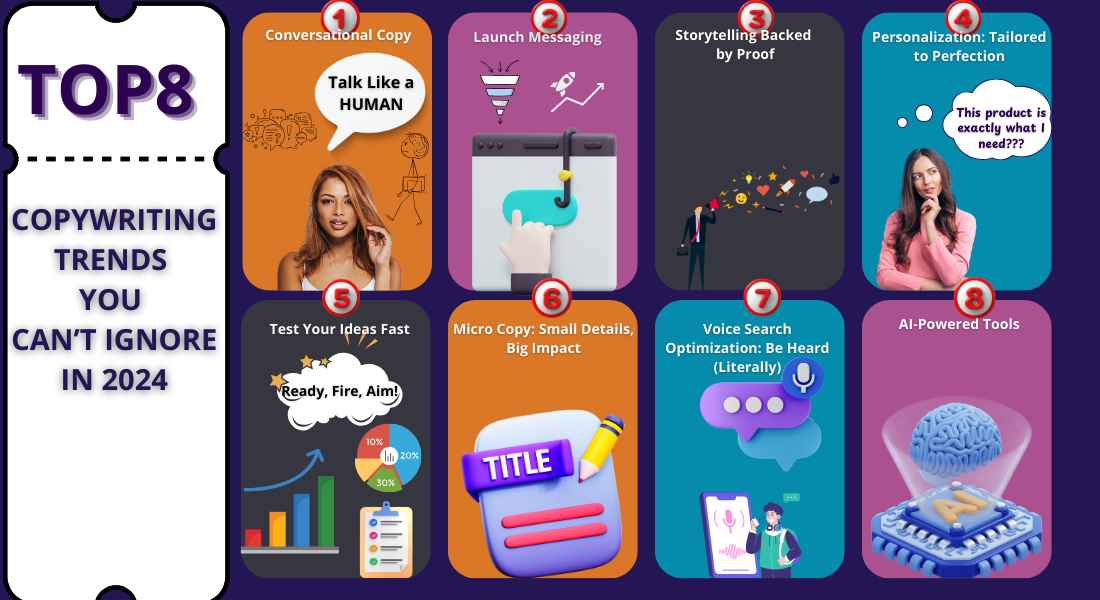
VIII. Prioritizing the Best Tools For Top Copywriting Trends
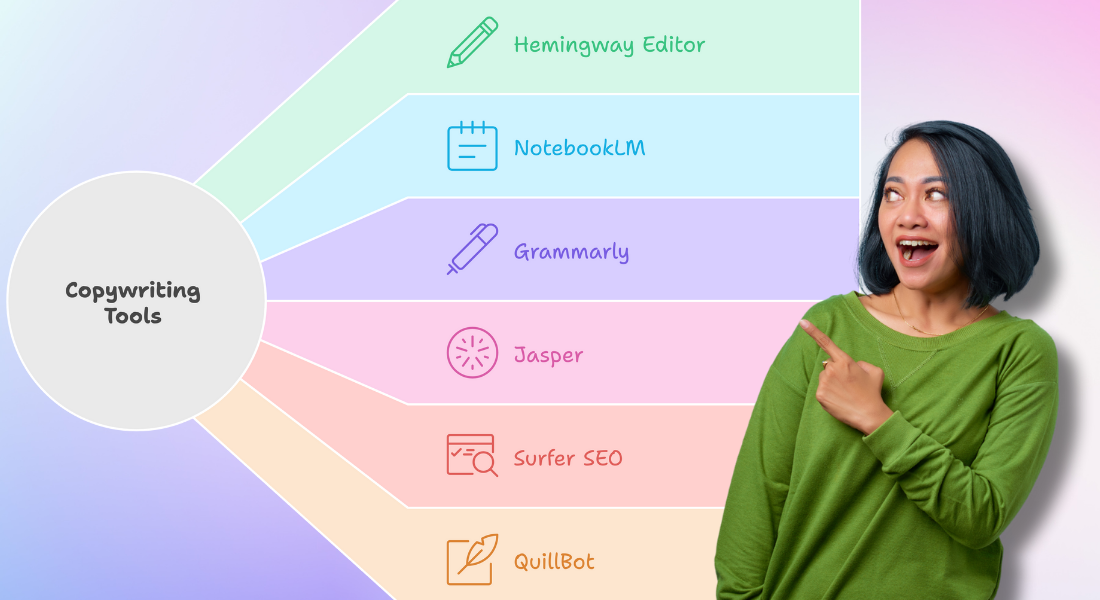
When it comes to copywriting, the right tools can transform your process. After testing several—including free versions—we’ve narrowed down our favourites. Hemingway Editor and NotebookLM are standout performers, but tools like Grammarly, Jasper, Surfer SEO, and QuillBot offer unique benefits to round out your toolkit.
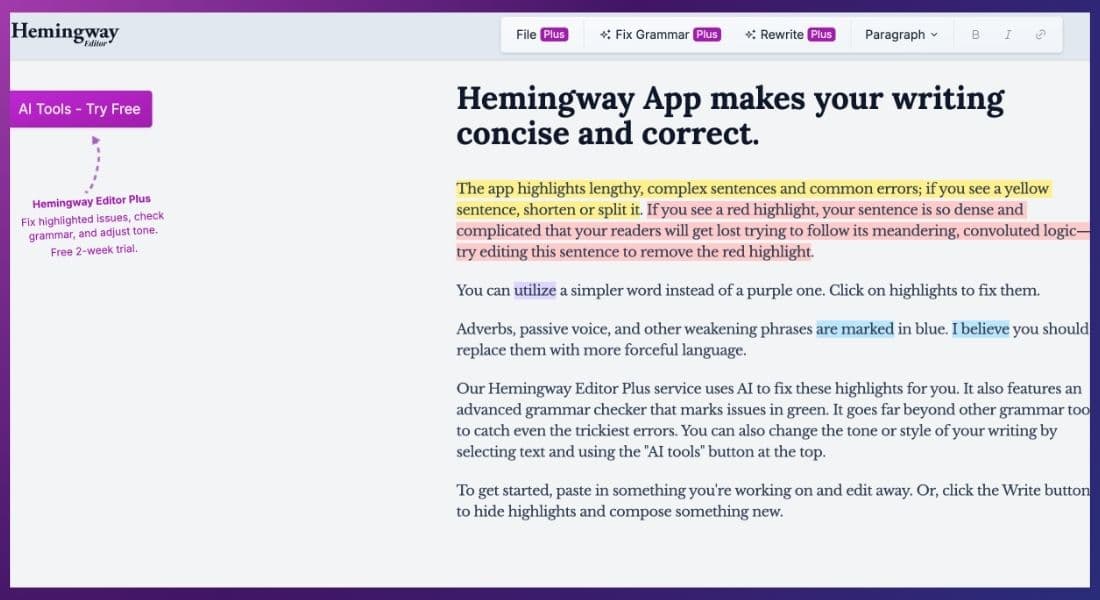
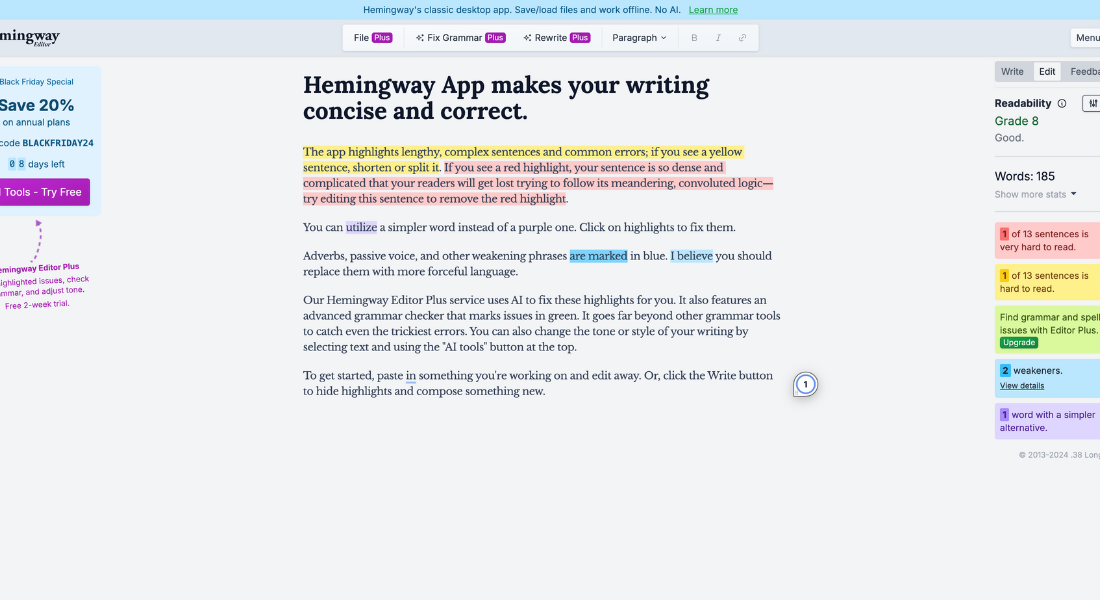
1. Hemingway Editor: Clear, Easy-to-Read Copy
If your writing feels clunky or complex, Hemingway Editor is a lifesaver. It’s designed to help you create a concise, readable, and impactful copy.
Why We Love It:
- Highlights hard-to-read sentences and offers suggestions to simplify them.
- Flags issues like passive voice, overuse of adverbs, and overly complex words.
- Assign a readability grade to help ensure your content reaches your audience.
The Results:
Hemingway transformed our drafts into sharp, reader-friendly copy. Even with the free version, we consistently delivered crisp and easy-to-understand content.
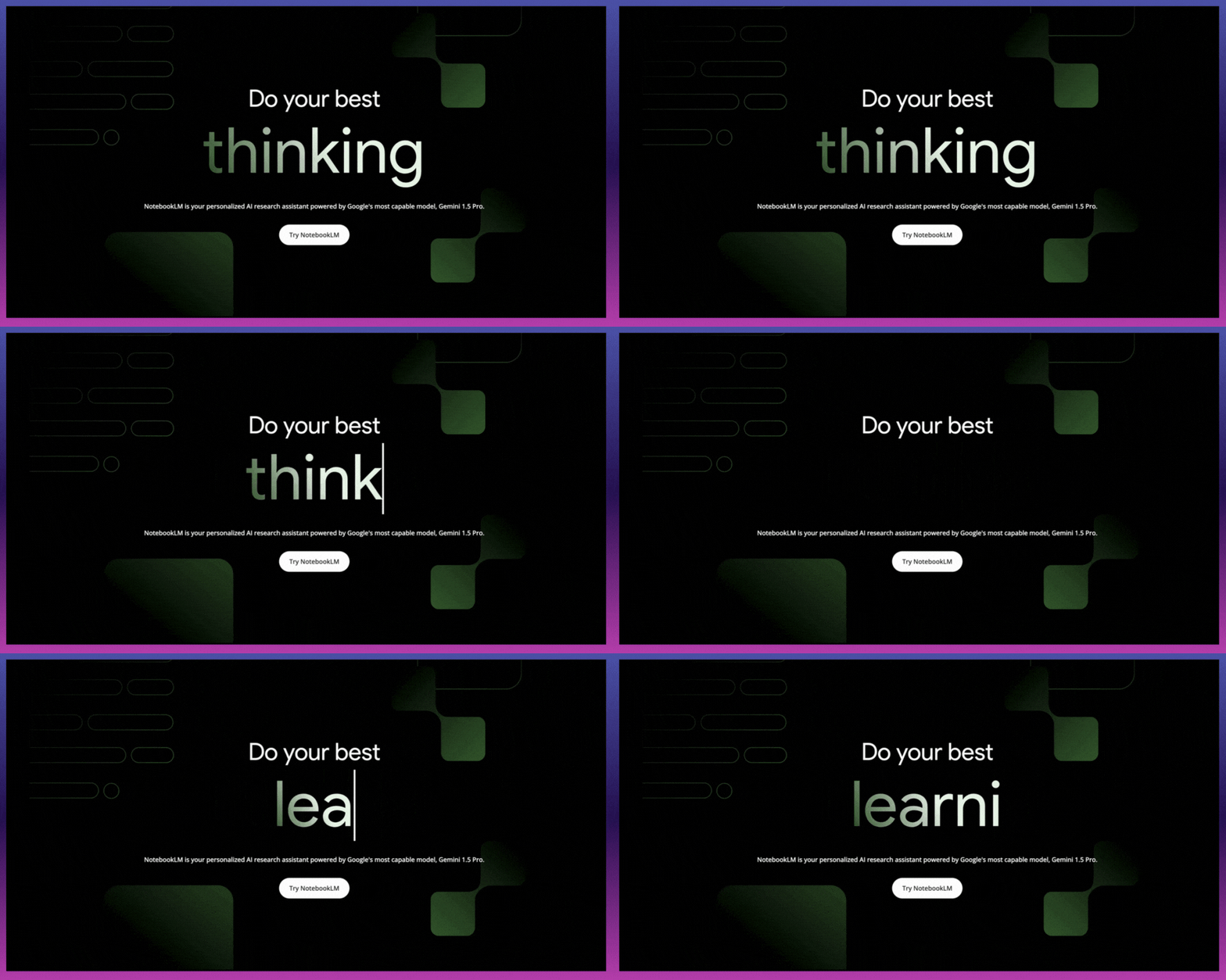
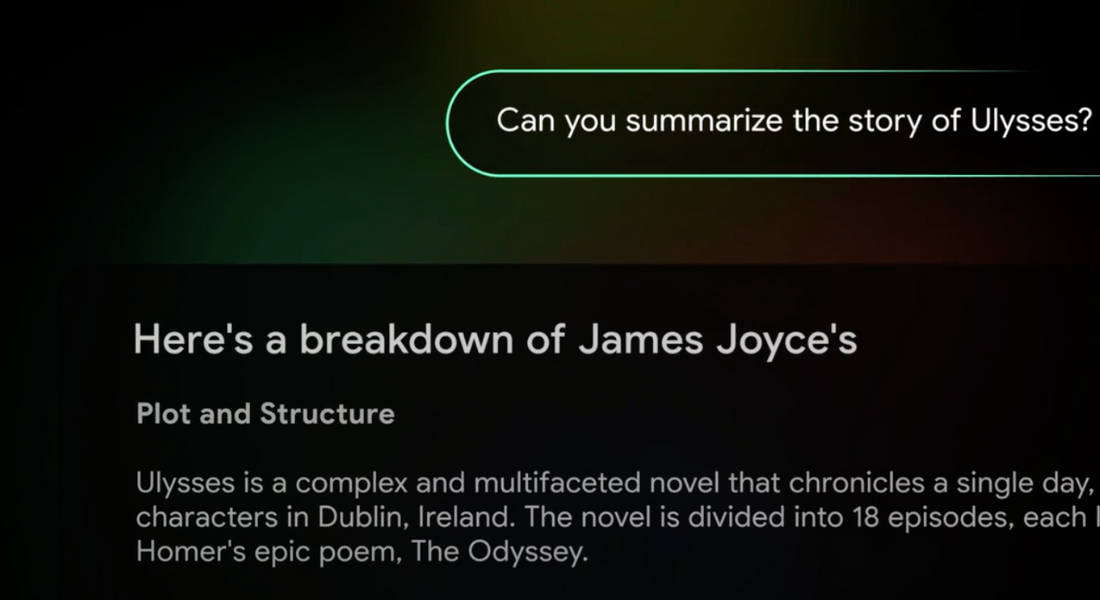
2. NotebookLM: Structured and Insightful Copy
For research-heavy projects or brainstorming, NotebookLM offers unmatched AI assistance. It’s like having a research assistant who organizes and presents your ideas.
Why We Love It:
- Summarizes large volumes of research and organizes notes into actionable insights.
- Suggests creative directions and answer questions directly from your content.
- Ensures drafts are structured, logical, and cohesive.
The Results:
NotebookLM helped us produce well-organized, flowing copy. It’s instrumental in the planning stage, where structure and clarity are crucial.
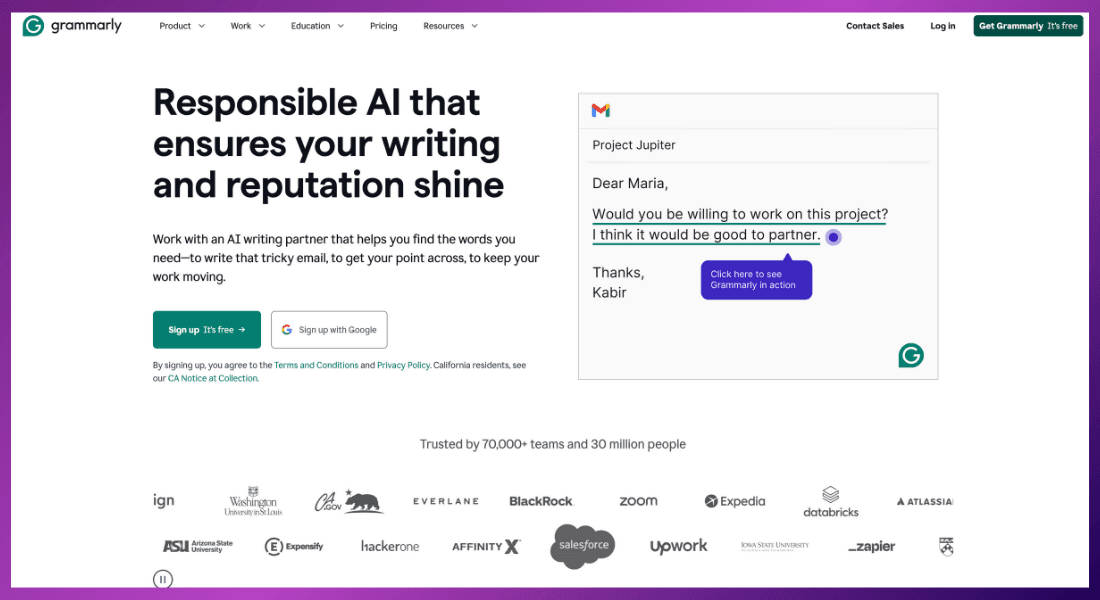
3. Grammarly: Polished and Professional Copy
When it comes to editing and proofreading, Grammarly is a must-have. It’s more than a grammar checker—it refines tone, style, and clarity.
Why We Love It:
- Detects tone and style issues, ensuring your voice matches your brand.
- Highlights grammatical errors and offers suggestions for more precise phrasing.
- Helps maintain professionalism across all types of copy.
The Results:
Grammarly elevated our writing by catching overlooked errors and improving flow. The free version is perfect for basic edits, while the premium version offers deeper insights.
4. Jasper: AI-Powered Marketing Copy
When speed and creativity collide, Jasper stands out. Tailored for marketers, it’s perfect for crafting email campaigns, landing pages, and ads.
Why We Love It:
- Offers pre-built templates for specific copywriting tasks like Facebook ads, emails, and sales pages.
- Generates creative headlines and CTAs with ease.
- Includes a “Boss Mode” for writing long-form content.
The Results:
Jasper made brainstorming effortless, saving time while maintaining quality. We found it particularly helpful for creating attention-grabbing ad copy.
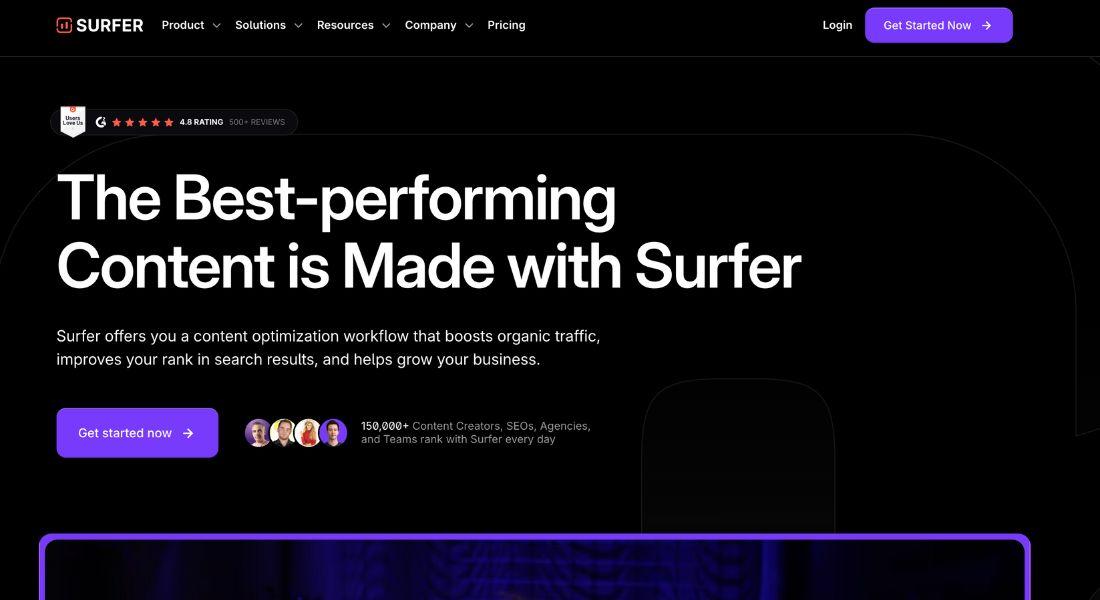
5. Surfer SEO: Optimized for Search Engines
Your copy isn’t complete until it’s optimized for SEO. Surfer SEO ensures your content ranks high while staying reader-friendly.
Why We Love It:
- Analyzes competitor content and provides keyword suggestions.
- Suggests word counts, headings, and related terms to improve ranking potential.
- Seamlessly integrates with other tools like Jasper and Google Docs.
The Results:
With Surfer SEO, we turned AI-generated drafts into SEO-optimized content that ranks well. It’s a game-changer for blog posts and landing pages.
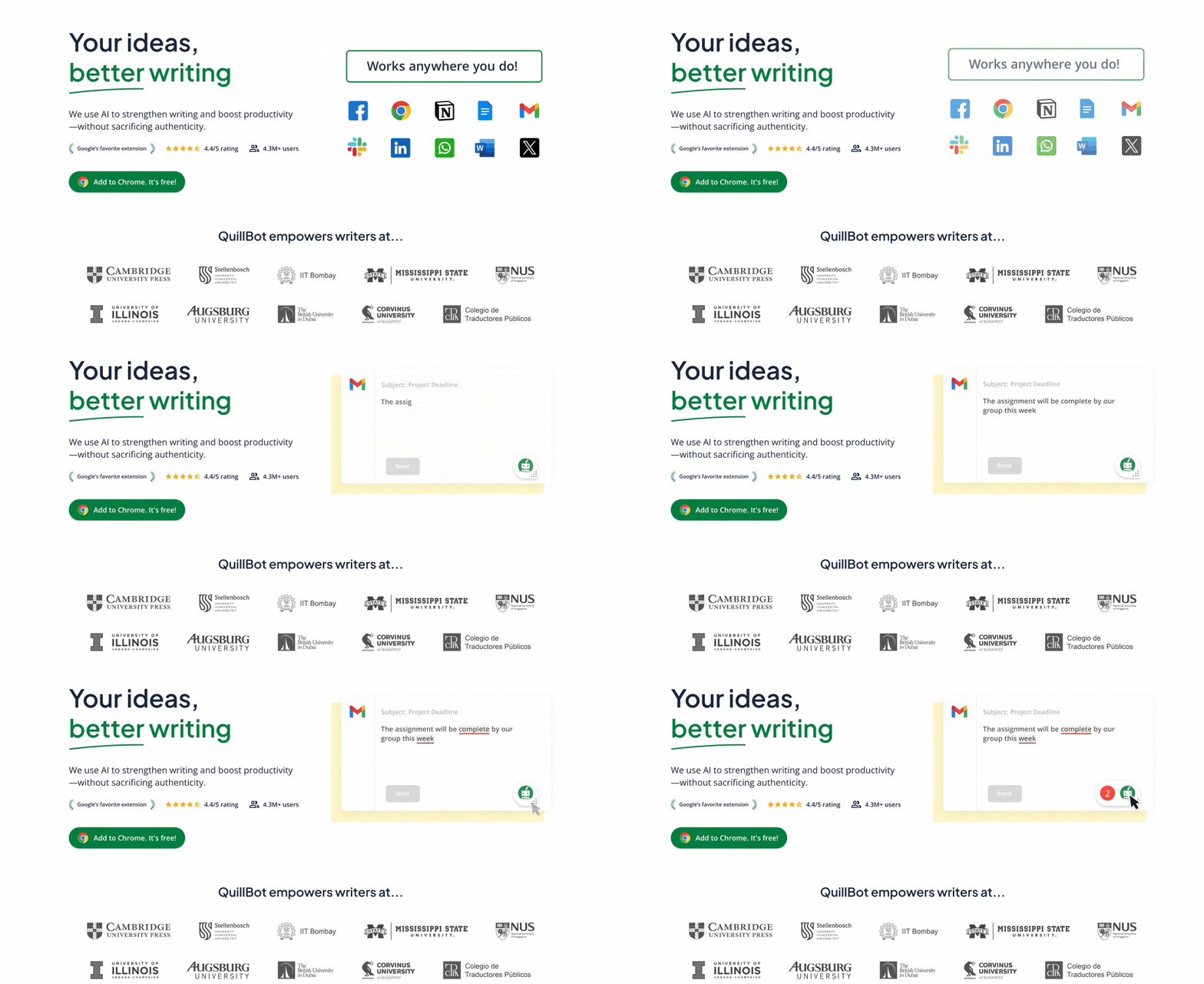
6. QuillBot: The Ultimate Rewriting Tool
When you need to refine or rewrite content quickly, QuillBot is a powerhouse. This AI tool makes it easy to rephrase, adjust tone, and optimize your copy for clarity.
Why We Love It:
- Offers multiple rewriting modes, including Standard, Fluency, and Creative.
- Helps improve readability and tone without sacrificing meaning.
- Includes a built-in thesaurus for finding the perfect word.
The Results:
QuillBot made rewriting faster and more efficient. Refining blog posts or tweaking email copy helped us achieve polished results with minimal effort.
Pro Tip: Use QuillBot to rephrase repetitive sentences or improve transitions between ideas.
FAQs: Top Copywriting Trends for 2024
1. Why is conversational copy necessary in 2024?
Conversational copy resonates with audiences because it feels human and relatable. It breaks away from stiff, overly formal tones and adopts a style that mimics natural, everyday speech. This approach fosters trust and connection, especially with younger, digitally-savvy audiences like Gen Z.
2. How can I create engaging micro copy?
To craft compelling micro copy:
- Be playful: Add personality to button labels, like replacing “Submit” with “Let’s Do This!”
- Guide your users: Use placeholder text in helpful and fun forms, such as “What should we call you?”
- Stay on-brand: Ensure your micro copy aligns with your tone and values, whether quirky, professional, or casual.
3. How does AI impact SEO copywriting?
AI-powered tools like Jasper and Surfer SEO make SEO optimization faster and wiser. They:
- Generate keyword-rich content based on competitor analysis.
- Help identify long-tail keywords for voice search optimization.
- Streamline content creation without compromising quality. AI won’t replace human creativity but ensures your copy ranks higher in search results when used effectively.
4. Is voice search optimization suitable for all businesses?
Yes, mainly if your audience uses mobile devices or intelligent assistants frequently. Businesses that benefit the most include:
- Local companies: Queries like “Where’s the nearest coffee shop?” can drive foot traffic.
- E-commerce stores: Optimizing for queries like “Best LED lights for home decor?” can boost sales.
- Service-based industries: Questions like “How do I choose a marketing agency?” help position you as an expert.
5. Can I use personalization even if I don’t have advanced tools?
Absolutely! While tools like ConvertKit or ActiveCampaign streamline personalization, here are more straightforward ways to get started:
- Segment your email list manually based on past purchases or engagement.
- Use basic merge tags to personalize names in email greetings.
- Reference past customer behaviour, like suggesting complementary products.
6. How can I balance trends with my brand voice?
The key is to adapt trends in a way that feels natural to your brand:
- Conversational copy: Use a tone that fits your audience—casual for younger consumers, professional yet warm for B2B.
- AI tools: Leverage them to refine your unique voice, not replace it.
- Storytelling: Focus on customer experiences that align with your brand values.
7. Where can I learn more about copywriting strategies?
Check out our detailed guide on Cold Email Copywriting to enhance your skills and craft engaging, high-converting emails tailored to your audience.
This revised FAQ section excludes redundant topics already covered in the post and focuses on providing fresh, actionable insights. Let me know if you’d like additional refinements!
Final Thoughts: Master Copywriting Trends in 2024
Staying ahead of the copywriting trends for 2024 is essential to creating fresh, engaging, and compelling content. Trends like conversational tones, personalization, and AI-powered tools aren’t just buzzwords—they’re strategies that can elevate your messaging in today’s competitive digital landscape.
Remember, trends are tools, not rules. Focus on your core messaging and brand values first, then layer these techniques to enhance clarity, engagement, and impact. Whether you’re refining your copy for voice search optimization, using AI-powered tools, or crafting personalized customer experiences, the key is execution.
Want to learn more about sharpening your copywriting skills? Check out our in-depth guide on Cold Email Copywriting for actionable strategies you can implement today.
Start small. Experiment with one or two modern copywriting techniques, measure your results and build from there. The best copywriting combines innovation with authenticity—that’s how you’ll stand out in 2024.
