



Introduction
Cold email copywriting is an art. It can open doors to lucrative partnerships, generate quality leads, and build meaningful relationships with prospects. If you're struggling to craft cold emails that get replies, you're not alone—but don't worry! This guide will help you master the essentials of cold email copywriting, provide actionable strategies, and equip you with ready-to-use templates to skyrocket your success.

What is Cold Email Copywriting?
At its core, cold email copywriting is the skill of writing persuasive emails to recipients who don’t know you yet. Unlike regular email marketing (typically targeting existing subscribers), cold emails aim to grab attention and build trust with someone entirely new to your business.
Why does it matter? Because it’s your foot in the door. A well-written cold email can turn strangers into loyal customers or business partners.
Why Cold Emails Work When Done Right
Cold emails work because they’re personal, direct, and action-oriented. But not every email is a winner. According to studies, the average response rate for cold emails is around 8%. With the proper techniques, you can significantly boost this number.
Key Benefits:
- Expand Your Network: Reach prospects beyond your immediate circle.
- Generate Leads: Cold emails can deliver consistent, high-quality leads.
- Drive Conversions: Build trust and convert readers into customers.
The Anatomy of a Winning Cold Email
Every successful cold email has four critical components:
Subject Line
Your subject line is the first impression. It determines whether your email gets opened or ignored.
- Tips for success:
- Keep it short (under 50 characters).
- Spark curiosity: "Can I help you with [specific problem]?"
- Personalize: Include the recipient's Name or Company.
Introduction
Your opening lines should immediately establish relevance.
- Pro Tip: Use personalization!
- Example: "Hi [Name], I noticed your recent [achievement/announcement] and wanted to reach out."
Body Content
This is where you highlight the recipient’s pain points and show how you can help.
- Keep it brief (under 150 words).
- Focus on their needs, not your sales pitch.
- Example: "I saw that [Company] is expanding into [area]. I specialize in helping businesses like yours streamline [specific process]."
Call-to-Action (CTA)
Make it easy for the reader to respond. A great CTA is clear and specific.
Example:
"Do you have 15 minutes this week to discuss how we can collaborate?"
Cold Email Templates for Different Scenarios
Here are some tried-and-tested templates you can customize:
Lead Generation Template
Follow-Up Template
Partnership Proposal Template
Common Mistakes to Avoid in Cold Emailing
Avoid these pitfalls to maximize your chances of success:
- Too Much Information: Keep it concise.
- Generic Messaging: Personalize every email.
- Weak CTAs: Always end with a clear next step.
Pro Tips for Writing Effective Cold Emails
- Leverage AI Tools: Use platforms like Jasper AI to refine and personalize your emails.
- Stick to a Single Goal: Focus on one action per email (e.g., booking a call).
- Perfect Your Timing: Send emails midweek during business hours for better response rates.
- A/B Test: To optimize performance, experiment with subject lines, CTAs, and email lengths.
How to Measure Cold Email Success
Track these key metrics to evaluate your campaigns:
- Open Rate: Percentage of recipients who open your email.
- Reply Rate: Percentage of recipients who respond.
- Conversion Rate: Number of responses that lead to desired actions.
Top AI Tools for Writing Winning Cold Emails
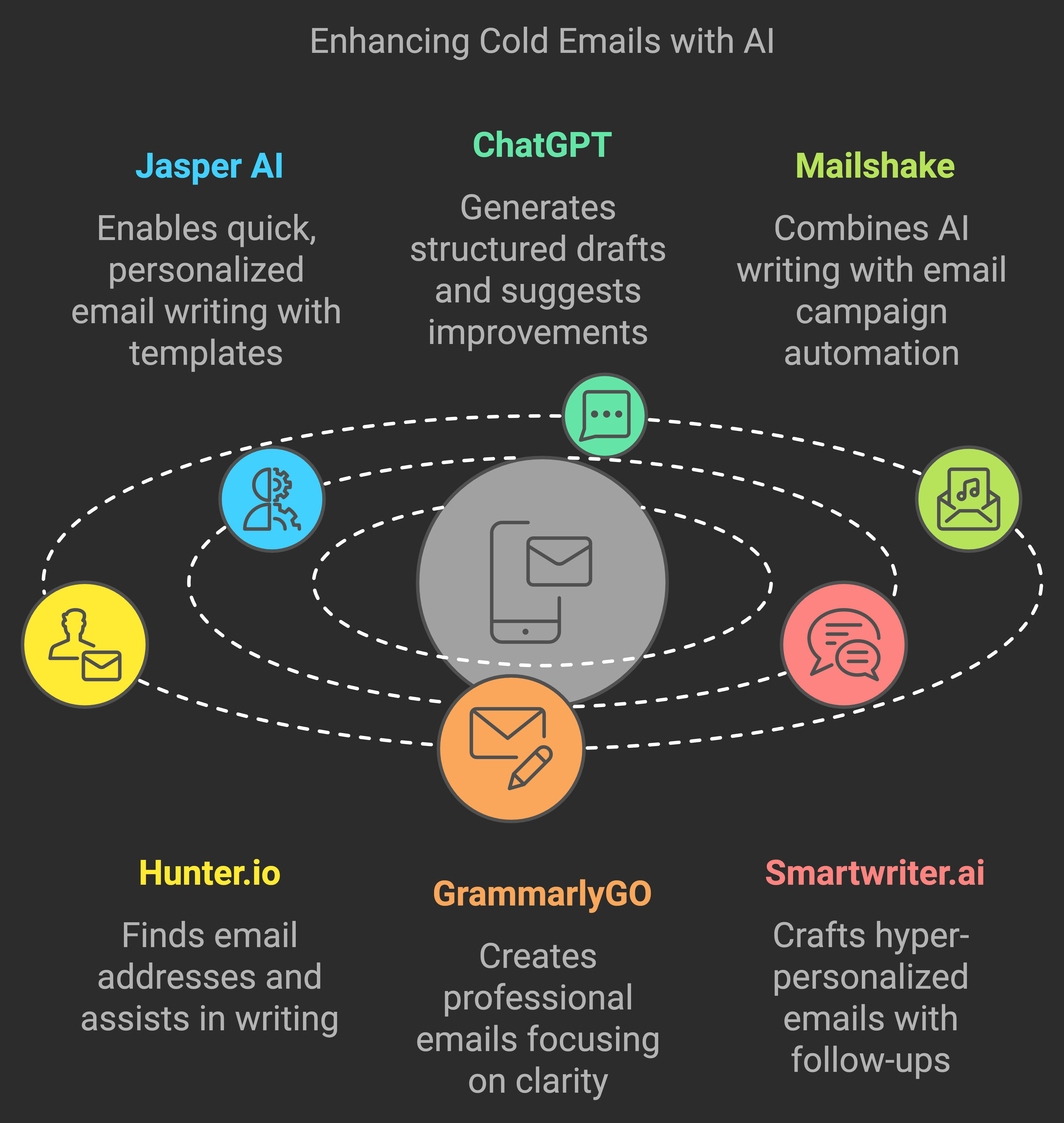
AI tools have revolutionized cold email writing by making it faster, more innovative, and more effective. Here are some top-rated AI tools to help you craft compelling emails with ease:
1. Jasper AI
- What it does: Jasper enables you to write personalized cold emails quickly by generating high-quality, human-like text. Its templates and tone-matching capabilities make it perfect for businesses of all sizes.
- Why it's great: Easy to use, offers a variety of templates, and includes built-in personalization features.
- Pro Tip: Use the "Cold Email" template to get started.
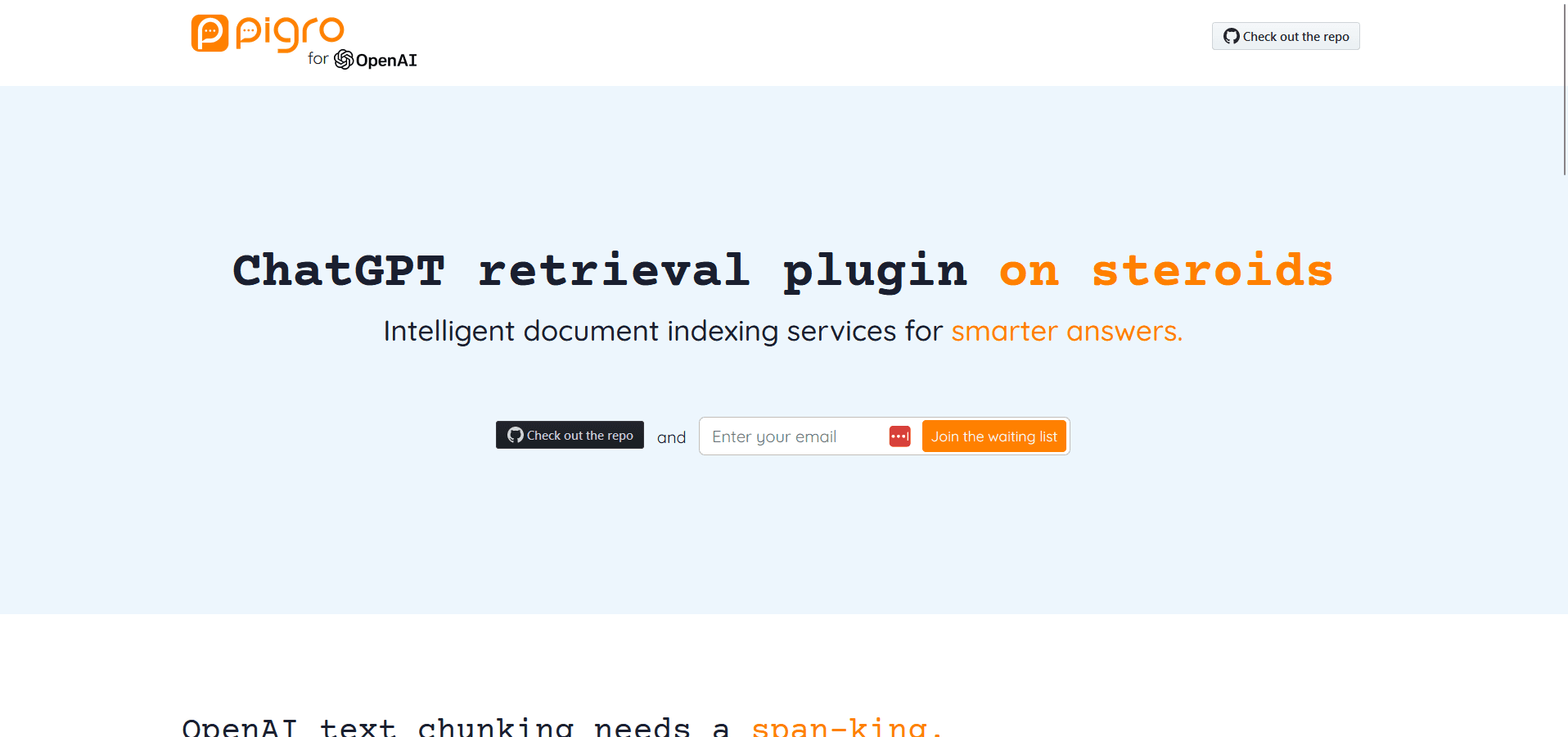
2. ChatGPT (OpenAI)
- What it does: ChatGPT can generate well-structured email drafts and suggest ways to improve existing emails.
- Why it's great: It’s versatile, conversational, and allows you to refine outputs by interacting with it in real-time.
- Pro Tip: Provide detailed instructions (e.g., tone, length, focus) for optimal results.
3. Mailshake
- What it does: A powerful outreach platform combining AI writing with cold email campaign automation.
- Why it's great: Not only does it help you write better emails, but it also tracks performance (open rates, clicks, etc.).
- Pro Tip: Use Mailshake’s A/B testing feature to refine your subject lines and calls-to-action.
4. Hunter.io
- What it does: While primarily a tool for finding email addresses, Hunter also includes an email writing assistant who can craft compelling outreach messages.
- Why it's excellent: Combines prospecting and email generation in one tool.
- Pro Tip: Use it to personalize emails by adding context about your prospect.
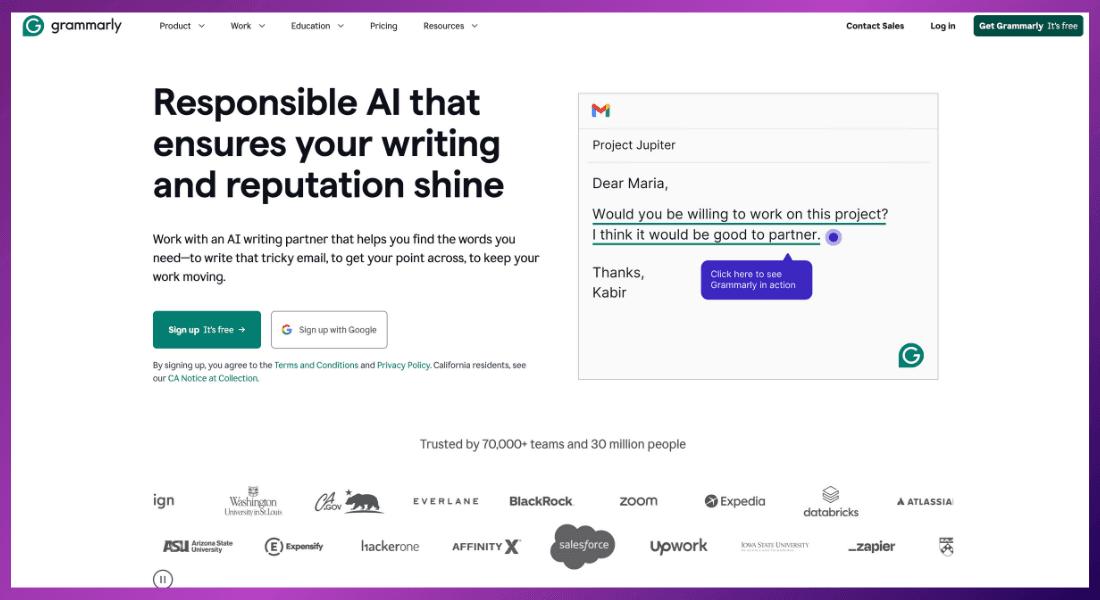
5. GrammarlyGO
- What it does: GrammarlyGO leverages AI to create professional emails based on brief prompts.
- Why it's excellent: Focuses on clarity, tone, and grammatical correctness to ensure your emails sound polished.
- Pro Tip: Use it to refine your emails before sending.
6. Smartwriter.ai
- What it does: Specializes in hyper-personalized cold emails, using AI to craft messages tailored to individual recipients.
- Why it's excellent: Includes personalization fields, LinkedIn integration, and automated follow-ups.
- Pro Tip: Use the AI to analyze your recipient’s LinkedIn profile for custom messaging.

Why Use AI for Cold Emailing?
- Saves Time: Automates tedious tasks like writing and personalization.
- Improves Accuracy: Ensures your emails are grammatically correct and professional.
- Boosts Results: Helps you craft messages that resonate with your audience.
Integrating these tools into your email strategy can drastically improve your response rates and effectiveness. Most offer free trials, so give them a spin to see what works best for you!
FAQs About Cold Email Copywriting
- Q: How many cold emails should I send per day?
- A: Start small—10-20 targeted emails per day—and scale up as you refine your approach.
- Q: What’s the ideal length for a cold email?
- A: 100-200 words.
- Q: Should I include links in my email?
- A: Yes, but only one link to reduce the chance of being marked as spam.
Conclusion
Cold email copywriting is a powerful tool for businesses, but success lies in personalization, clarity, and actionability. Use the templates and strategies above to create cold emails that resonate and deliver results.
Are you looking to enhance your email marketing strategy even further? Check out our detailed guide on How to Build a Successful Newsletter in 2024. It has actionable insights to help you grow and engage your audience!
