



Creating a content marketing calendar is essential for anyone looking to streamline their content efforts. So, how do you get started? First, you define your goals and understand your audience. A well-structured calendar helps you stay organized and ensures consistency in your messaging.
Many entrepreneurs and marketers find it challenging to produce engaging content while juggling various tasks. That’s where a content calendar comes into play. It not only maps out your content but also allows you to strategically plan how and when to publish.
In this post, I'll walk you through the process of building an effective content marketing calendar. You’ll learn practical tips to optimize your schedule and use tools that can enhance your workflow. For those wanting to dive deeper, check out Master Content Creation: Essential Tools and Strategies for Writers to gain additional insights. Get ready to transform your content strategy!
Understanding a Content Marketing Calendar
A content marketing calendar is a visual tool that helps marketers schedule their content across various platforms. It's like a roadmap that lays out what content to publish, when to publish it, and on which platforms. By using a calendar, I can maintain consistency and align my content strategy with key marketing objectives. This structured approach ensures that I create relevant content that resonates with my audience.
Definition and Purpose
At its core, a content marketing calendar is a planning document. It outlines all my upcoming content, offering a clear timeline for creation and distribution. The primary purpose of this calendar is to keep my content organized, ensuring that I don’t miss important dates or topics. It allows me to track campaigns, plan ahead for seasonal content, and stay aligned with broader marketing strategies.
Why is this important? A well-maintained content calendar reduces the chaos of last-minute content creation. It also enhances teamwork. Everyone involved in content production, from writers to graphic designers, knows what to expect. This transparency fosters collaboration and creativity.
Key Components
Creating an effective content marketing calendar involves several key components. Here’s what I focus on:
- Dates: Each piece of content has a specific publication date. Marking deadlines helps keep the project on track.
- Content Types: I categorize the content—be it blogs, videos, infographics, or social media posts. This variety keeps my audience engaged.
- Platforms: Different platforms require different content styles. I note where each item will be posted, whether on a company blog, social media, or email newsletters.
- Topics/Ideas: I list out the main topics for each piece. This helps ensure a good mix and balance of content, catering to various audience interests.
- Assignee: If I work with a team, I designate who is responsible for each piece of content. This accountability helps track progress.
- Performance Metrics: Tracking how each content piece performs is crucial. I can analyze which types are most successful and refine my strategy accordingly.
Organizing these elements in a calendar format transforms a chaotic content strategy into a streamlined process. By planning in advance, I can allocate resources effectively and respond to trends efficiently.

Photo by Walls.io
For more insights into creating a solid content foundation, explore How to Actually Start a Content Writing Side Hustle That Pays.
Steps to Create a Content Marketing Calendar
Creating a content marketing calendar is a practical approach to organizing content effectively. Here are the steps you can follow to build a comprehensive calendar.
Define Your Marketing Goals
Before I create my calendar, I take a step back and clearly define my marketing goals. Setting specific, measurable objectives helps me focus my content strategy. What do I want to achieve—more website traffic, increased engagement, or higher conversions? Knowing these goals allows me to tailor my content to meet them.
For instance, if my aim is to boost engagement, I may prioritize interactive content or audience surveys. If conversions are my goal, then product-related content or case studies should take precedence. This clarity guides my content choices and publication schedule.
Choose Your Target Audience
Identifying my target audience is fundamental for creating relevant content. I consider who I am trying to reach and what problems I can solve for them. I analyze demographics such as age, interests, and pain points.
By developing audience personas, I can visualize who will consume my content. This understanding informs not only the type of content I create but also the tone and style I should use. Engaging my audience becomes easier when I know their preferences and habits.
Select Content Types and Channels
Next, I assess the various types of content I can create. This may include blog posts, videos, podcasts, or social media updates. Each format serves different purposes and appeals to different segments of my audience.
Additionally, I select the right channels for distribution. For instance, video content works well on platforms like YouTube or social media, while in-depth articles are more suited for my website's blog. Aligning content types with appropriate channels maximizes reach and engagement.
Create a Calendar Template
To organize my content, I create a calendar template. I may use tools like Google Sheets, Trello, or specialized software like Social Studio.ai. These tools allow me to visualize my content schedule easily.
In my template, I have sections for publication dates, content types, assigned tasks, and performance metrics. This organized structure serves as a roadmap, guiding me through the content creation process.
Plan Content Themes and Topics
Finally, I brainstorm content themes and topics for each month. I consider seasonal events, industry trends, and audience interests when generating ideas. Creating a thematic plan ensures variety and keeps content fresh.
To generate topic ideas, I can:
- Review past content performance
- Analyze competitors' strategies
- Gather feedback from my audience
- Use keyword research tools
Regularly revisiting and adjusting my planned topics keeps my content relevant and engaging. This proactive approach enhances my overall content strategy.
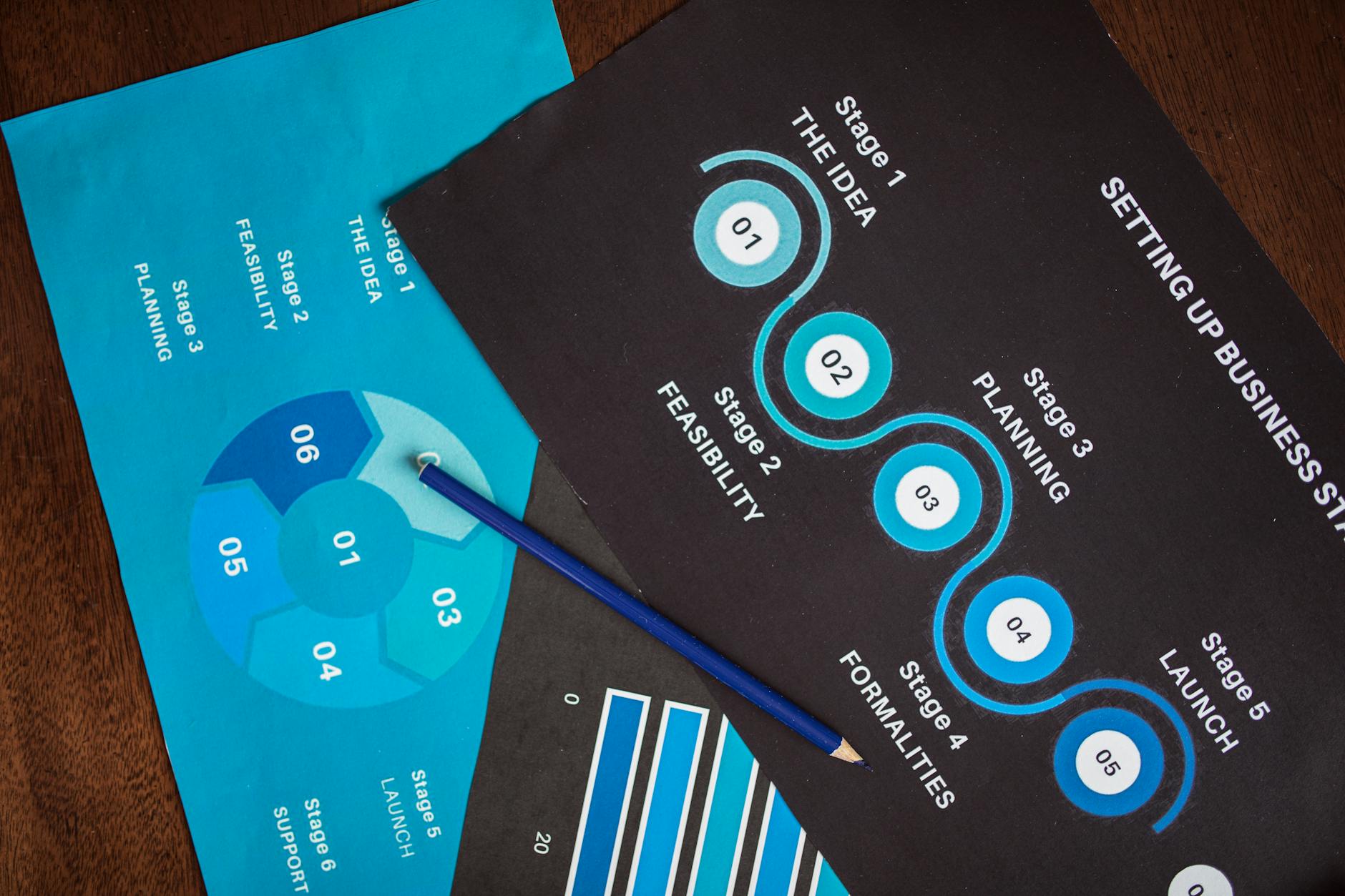
Photo by RDNE Stock project
For further information on optimizing your content strategy, check out Best AI Frameworks for Content Creation for 2024.
Best Practices for Maintaining Your Calendar
Keeping a content marketing calendar effective and current requires dedication and strategy. To maximize its efficiency, I take several best practices into account.
Regular Review and Updates
I make it a priority to regularly review and update my calendar. This practice ensures that my content aligns with marketing goals and remains relevant. At least once a month, I assess what’s working and what isn’t. Key steps include:
- Evaluate Performance: I analyze metrics from previous content. Are certain types of posts performing better? Which themes resonate with my audience?
- Adjust Based on Insights: If I find that blog posts about specific topics drive more engagement, I prioritize those themes in upcoming months.
- Stay Agile: There are times when market trends shift. Updating my calendar means I can quickly adapt my content strategy to capitalize on new opportunities.
By regularly reviewing my calendar, I keep my content fresh and aligned with my business objectives. This agility plays a significant role in maintaining relevance in a fast-paced environment.
Incorporating Team Collaboration
Involving my team in content planning enhances the calendar's effectiveness. Collaboration brings diverse perspectives and collective creativity to the table. To do this, I follow these steps:
- Group Brainstorming Sessions: I organize meetings where everyone shares ideas. This often leads to innovative concepts and pushes the boundaries of our content strategies.
- Shared Access: Using platforms like Google Calendar or Trello allows all team members to view and edit the calendar. This transparency facilitates communication about tasks and deadlines.
- Regular Check-Ins: I schedule periodic meetings to discuss progress and gather feedback. This keeps everyone accountable and engaged in the content creation process.
Team collaboration not only improves the quality of content but also strengthens camaraderie among team members. Sharing responsibilities fosters a sense of ownership across the group.
Using AI Tools for Efficiency
I inject efficiency into my content planning by utilizing AI tools. These technologies simplify tasks and save valuable time. Here are some AI tools I recommend:
- Social Studio.ai: This platform helps me automate social media scheduling. With its calendar feature, I can plan posts ahead of time and optimize my content release strategy. You can read more about it here.
- IntelliSay: This AI daily planner uses voice commands for scheduling. It enhances my organization, allowing me to manage tasks hands-free. Discover its features here.
- Content Writing Tools: Various AI-driven writing assistants can help generate ideas and streamline the writing process. They analyze content performance and suggest improvements.
Integrating AI tools into my calendar management not only boosts productivity but also enhances creativity. With these technologies, I can focus more on crafting compelling content while the tools take care of repetitive tasks.

Photo by Walls.io
For more strategies on effective content creation, refer to How to Start and Succeed with Copywriting Side Hustle.
Measuring Success and Adjusting Your Strategy
Measuring the effectiveness of my content marketing calendar is essential for ensuring it meets my goals. By tracking performance and gathering feedback, I can make informed adjustments. Here are some vital aspects to consider:
Key Performance Indicators (KPIs) to Track
Understanding which metrics to track helps me gauge content performance accurately. Here are some key performance indicators that I find useful:
- Traffic: Monitoring the number of visitors and page views to assess content reach.
- Engagement: Tracking likes, shares, comments, and time spent on content indicates audience interest.
- Conversion Rates: Measuring actions taken by visitors, such as signing up for a newsletter or making a purchase, shows how effectively content drives user action.
- Bounce Rates: Evaluating the percentage of visitors who leave after viewing only one page helps identify content relevance and quality.
- Social Shares: Counting how often content is shared on social media provides insight into its appeal and relevance.
- Email Open and Click Rates: Analyzing how well email campaigns perform can help me refine future content.
Each of these KPIs offers a different lens through which I can view my content's success. By consistently tracking these metrics, I gain insights that inform my strategy.
Adjusting Based on Feedback
Feedback and performance data are vital for adapting my calendar. Here's how I approach this adjustment process:
- Analyze Audience Feedback: I actively seek out comments and feedback from my audience. This input can reveal what they appreciate and areas for improvement.
- Review Content Performance: By regularly examining which content performed best, I can identify trends. This helps me decide what types of content to continue or modify.
- Incorporate A/B Testing: I use A/B testing to experiment with different headlines, visuals, or formats. This real-time feedback allows me to refine my content strategy effectively.
- Adjust Content Themes: If certain themes resonate more during specific periods, I shift my focus accordingly. Being flexible ensures I stay relevant and engaging.
Ultimately, the ability to pivot and adjust my strategy based on solid data makes my content marketing more effective. This dynamic approach keeps my content aligned with audience needs and market trends.
For further insights on how to measure content effectiveness, refer to Content Measurement: The Essential Guide.
Conclusion
Creating a content marketing calendar is not just an organizational tool; it’s a cornerstone of an effective content strategy. Having a structured schedule ensures I stay consistent and aligned with my marketing goals. Each component—from defining audience needs to selecting appropriate content types—plays a critical role in boosting engagement and driving results.
I encourage you to implement the strategies discussed. Start by setting clear objectives and regularly updating your calendar for relevance. Remember, an agile approach is key to adapting to ever-changing market conditions.
What will be your first step in building or refining your content marketing calendar?
Explore more about content creation and strategy through valuable resources such as Social Media Management Side Hustle: How to Earn $500 and Content Writing - AIJourney. Thank you for taking the time to learn about optimizing your content creation process!
