





Introduction
If you’re on the lookout for a side hustle that doesn’t just pay the bills but also hones your creativity, a copywriting side hustle might be your golden ticket. With potential monthly earnings ranging from $2,000 to $11,000, copywriting offers the flexibility of working on your own terms and scaling your skills into a profitable venture. In this guide, I’ll walk you through everything you need to know to get started, from essential skills and finding clients to maximizing your income.
What is Copywriting?
Copywriting is all around you—everywhere you see persuasive text, a copywriter has left their mark. It’s the art of crafting words that prompt readers to take action, whether that’s buying a product, signing up for a service, or simply engaging with a brand. Here are the main types of copywriting you might encounter:
- Advertising Copy: Short, punchy phrases that leave a lasting impression, like Apple’s “Think Different.”
- Website Copy: The words on homepages, landing pages, and service pages that guide visitors and persuade them to stay or buy.
- Email Marketing: Copy used in newsletters and automated sequences that nurture leads and drive sales.
- Social Media Copy: Engaging posts and ads that boost brand presence and interaction.
Pro Insight: Copywriting isn’t just about selling a product—it’s about building a relationship with the reader and making them feel connected to a brand.
Why Copywriting is the Ideal Side Hustle
Flexibility and Control Over Workload
Copywriting can be done anywhere and anytime, making it an excellent fit for anyone balancing a full-time job, studies, or other commitments. You can begin with tiny projects and gradually take on more as your confidence and portfolio grow.
High Demand and Diverse Clientele
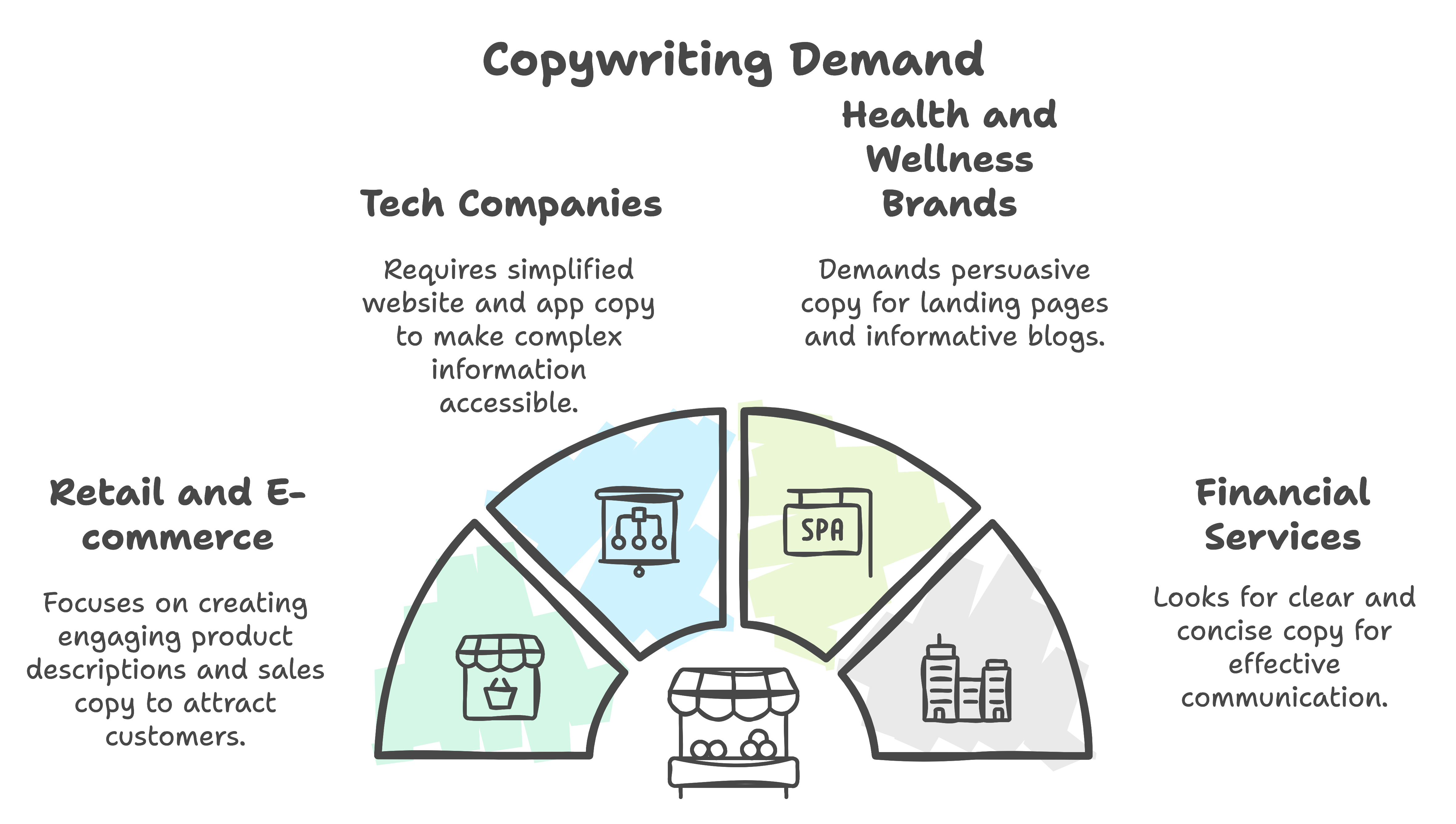
Every business needs copy. Small local shops, new startups, and global corporations all look for fresh, compelling copy to stand out in their markets. Industries constantly looking for copywriters include:
- Retail and E-commerce: Need product descriptions and sales copy.
- Tech Companies: Require website and app copy that simplifies complex information.
- Health and Wellness Brands: Demand persuasive copy for landing pages and blogs.
- Financial Services: Look for clear, concise copy for their websites and emails.
Low Entry Barrier
Unlike other fields that require certifications or degrees, copywriting is accessible. While formal education can help, many successful copywriters started by teaching themselves through practice and resources.
Pro Tip: Online courses like the HubSpot Content Marketing Certification can boost your knowledge and credibility without breaking the bank.
Skills You Need to Succeed in Copywriting
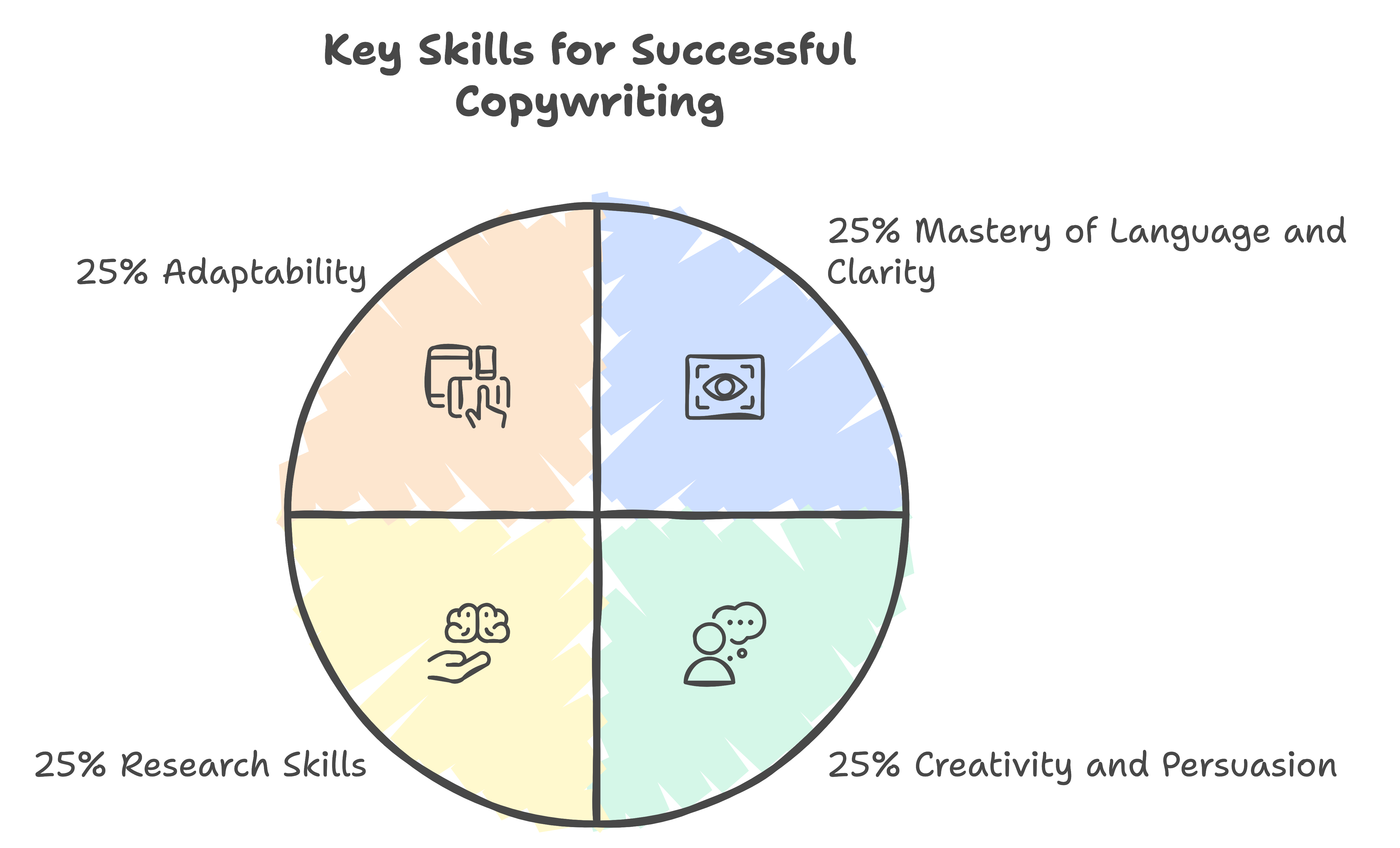
Mastery of Language and Clarity
Copywriting is about clarity, not verbosity. You need to write so your audience immediately understands your message and is compelled to take action.
Creativity and Persuasion
The most effective copy hooks readers within seconds. Learn to use power words and emotional triggers that speak directly to the reader’s desires and pain points.
Research Skills
Research is your secret weapon. You need to understand your client's product, their audience, and what competitors are doing. The more informed you are, the stronger your copy.
Adaptability
Your value lies in your ability to transition between several styles and tones. One project may require formal, authoritative language, while another needs a fun and witty approach.
Pro Insight: Practice by mimicking different tones. Write a formal white paper summary, then try your hand at a playful Instagram caption.
Case Study: Developing Skills on the Go
James, a college student majoring in business, had no prior copywriting experience but a knack for storytelling. He started by writing mock blog posts and ad copies during his free time. To improve his skills, he joined online writing communities and got feedback on his drafts. By consistently practicing and taking free online courses, James improved his clarity and persuasive writing skills. Within a year, he started taking on small projects for startups, writing compelling product descriptions and blog content. His adaptability and willingness to learn new writing styles helped him stand out, turning his side hustle into a reliable source of income throughout college.
How to Get Started with Copywriting as a Side Hustle
Build Your Copywriting Portfolio
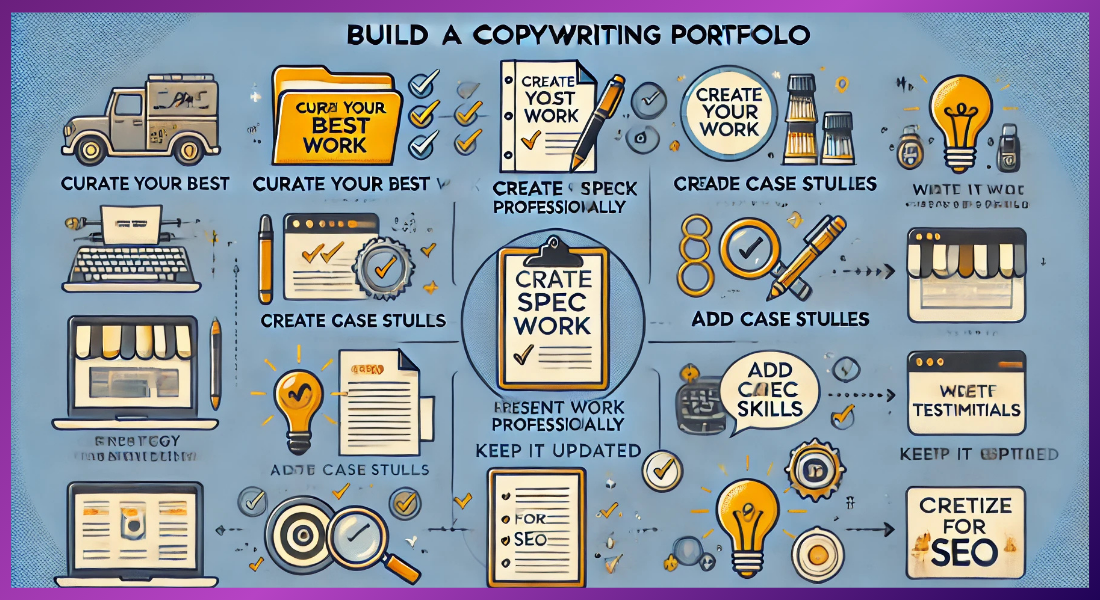
Your portfolio is your proof of work. Start by creating sample pieces or volunteering to write for non-profits or local businesses. Showcase a variety of work, including:
- Short ads and taglines.
- Website mock-ups.
- Sample newsletters.
Quick Start Tip: Use tools like Canva to design simple, visually appealing portfolio pieces.
Join Freelance Platforms
Popular platforms like Upwork, Fiverr, and Freelancer are good starting points to find initial gigs. Make sure to:
- Fill out your profile completely.
- Highlight relevant experience, even if it's in a related field.
- Include keywords like “copywriter for hire” or “website copy expert” in your profile description.
Network and Build Connections
Networking can be the fast track to landing more clients. Here’s where to start:
- LinkedIn: Share your work and engage in discussions related to copywriting.
- Facebook Groups: Join writing groups like “Freelance Copywriters” or “Writers Helping Writers.”
- Industry Events: Attend webinars or local marketing meetups to connect with potential clients and other copywriters.
Case Study: Building a Portfolio from Scratch
Rachel, a graphic designer by day, wanted to diversify her income and started exploring copywriting. To build her portfolio, she volunteered to write for local non-profits and small businesses, creating ad flyers and social media posts. She used Canva to design her work professionally, adding them to an online portfolio hosted on Behance. Rachel’s proactive approach allowed her to showcase a range of skills, from taglines to full website copy. When she started pitching to clients on Upwork and cold emailing small agencies, her diverse portfolio was what got her noticed. Within three months, she had a steady stream of projects.
Optimize Your LinkedIn Profile
Think of your LinkedIn profile as a mini sales page. Highlight your skills, showcase sample work in your featured section, and use action-oriented language.
Pro Insight: Create a “How I Can Help” section that clearly outlines what you offer, e.g., “I write persuasive website copy that increases conversions.”
Pitching Directly to Clients
Cold emailing can seem intimidating, but it’s a proven strategy. Here’s how to do it right:
- Research the business and personalize your email.
- Clearly state how your services can help them with their issue.
- Attach a relevant sample or link to your portfolio.
Quick Win: Local businesses often overlook the importance of compelling copy. Reach out to them with a brief, customized proposal.
Common Challenges in Copywriting and How to Overcome Them
Writer’s Block
We’ve all been there. When the words just don’t come, try these:
- Change your scenery.
- Set a timer for 15 minutes and write anything—it’s called a “free write.”
- Read related articles to spark ideas.
Understanding Client Needs
Sometimes clients are vague with their instructions. To make sure you’re on the same page:
- Ask questions like, “What’s the primary goal of this piece?” and “Who’s the target audience?”
- Request any existing brand guidelines or examples of work they like.
Handling Revisions
Revisions aren’t personal—they’re part of the job. Here’s how to approach them:
- Embrace feedback and ask for clarification if needed.
- Implement changes and learn from them for future projects.
Managing Time
Balancing a full-time job and a copywriting side hustle can be tricky. Here’s what can help:
- Time Blocking: Dedicate specific hours to write.
- Prioritize Tasks: Identify which projects are most urgent and start with them.
Case Study: Overcoming Writer’s Block
Alex, an experienced freelance copywriter, often struggled with writer’s block when working on long-form content. To combat this, he adopted a new approach: free-writing for 15 minutes on a related topic whenever he felt stuck. This allowed him to unlock new ideas and get past mental blocks. He also kept a swipe file—a collection of ads, headlines, and compelling phrases—that he would read for inspiration. By using these methods, Alex was able to reduce downtime and boost productivity, helping him meet client deadlines without compromising on quality.
Top Tools to Enhance Your Copywriting Side Hustle
Leveraging the right tools can streamline your copywriting workflow, improve the quality of your writing, and help you manage multiple projects with ease. Here’s a breakdown of the top tools every aspiring copywriter should consider:
AI-Powered Tools
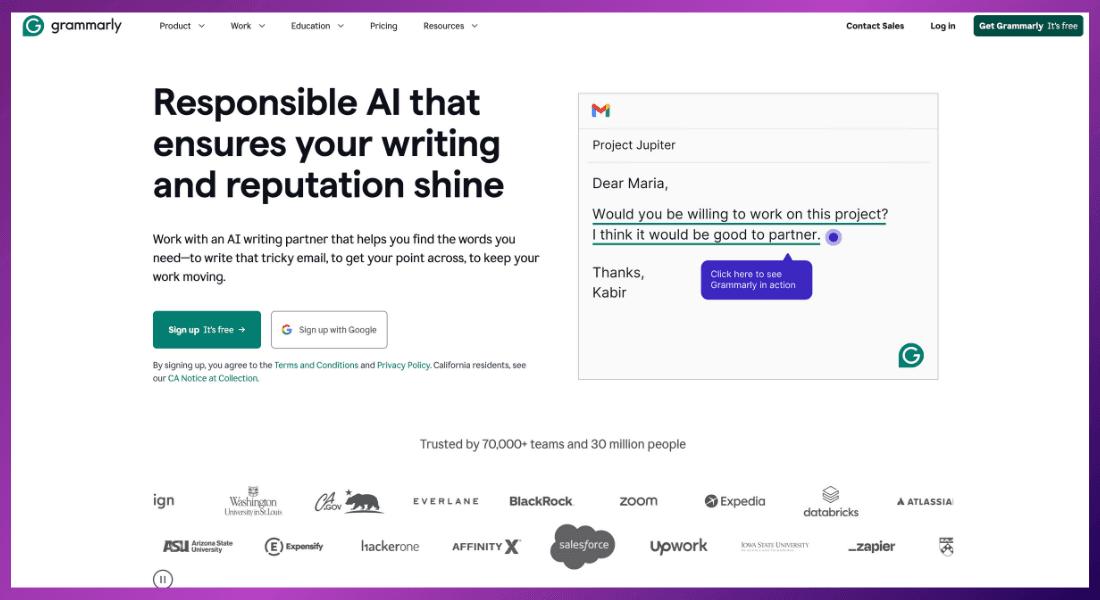
- Grammarly: This tool goes beyond basic spell checks and grammar fixes. It offers suggestions for clarity, conciseness, and even tone adjustments, making your copy sharper and more professional. Use it as a real-time assistant while writing or for final reviews to catch overlooked errors.
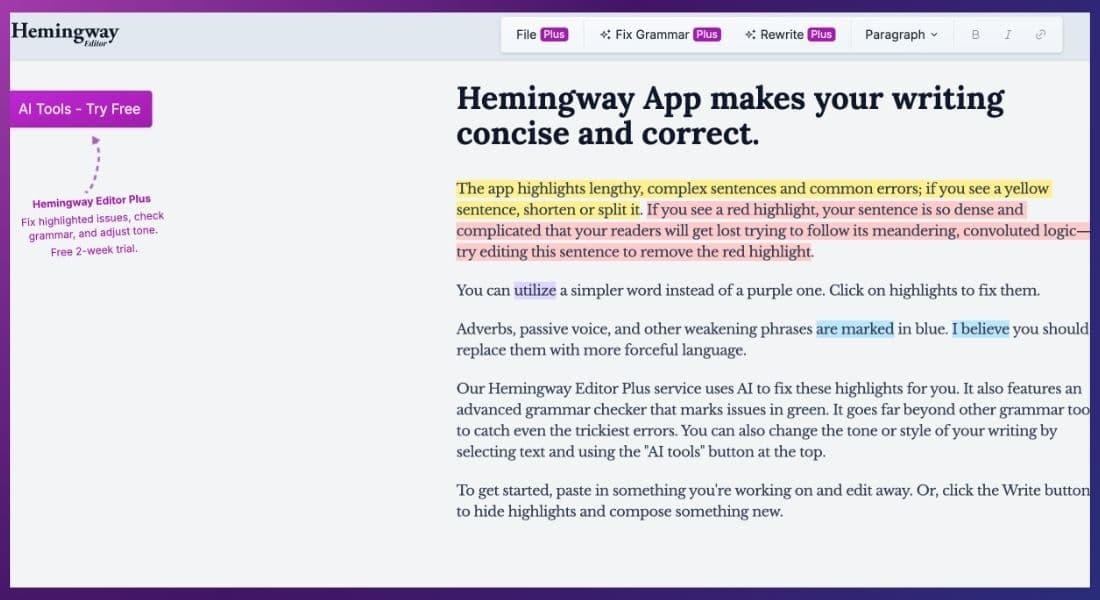
- Hemingway Editor: Perfect for making your copy concise and impactful. Hemingway highlights complex sentences, passive voice, and overly complicated words, helping you create text that’s easy to read and engaging. Run your drafts through this tool to ensure they are punchy and reader-friendly.
Headline Creation Tools
- CoSchedule Headline Analyzer: Crafting an attention-grabbing headline can make or break your copy. CoSchedule’s tool analyzes the structure, word balance, and emotional impact of your headlines, giving you a score and actionable tips for improvement. This is especially useful for blog titles, ad headlines, and email subject lines.
Thesaurus and Dictionary Tools
- Thesaurus.com: When you're stuck using the same words repeatedly, this tool can help you find fresh and fitting synonyms that elevate your copy. It's a go-to for varying your vocabulary and adding depth to your writing.
- Merriam-Webster Online: For quick definitions and to double-check word usage, having an online dictionary at your fingertips is invaluable for maintaining accuracy and precision in your copy.
Project Management Tools
- Trello: Ideal for visually organizing projects and tracking progress. Create boards for each client or project, add detailed cards for tasks, set deadlines, and attach relevant documents. Trello’s drag-and-drop interface is perfect for keeping your workload organized.
- Asana: If you handle multiple clients or larger projects, Asana’s task management capabilities allow you to set project milestones, assign subtasks, and monitor progress in detail. It’s a powerhouse for tracking both your ongoing and upcoming writing commitments to stay on schedule.
Additional Recommendations
- Google Docs: A free and versatile tool for drafting, sharing, and collaborating in real-time. Use it to work with clients or editors seamlessly.
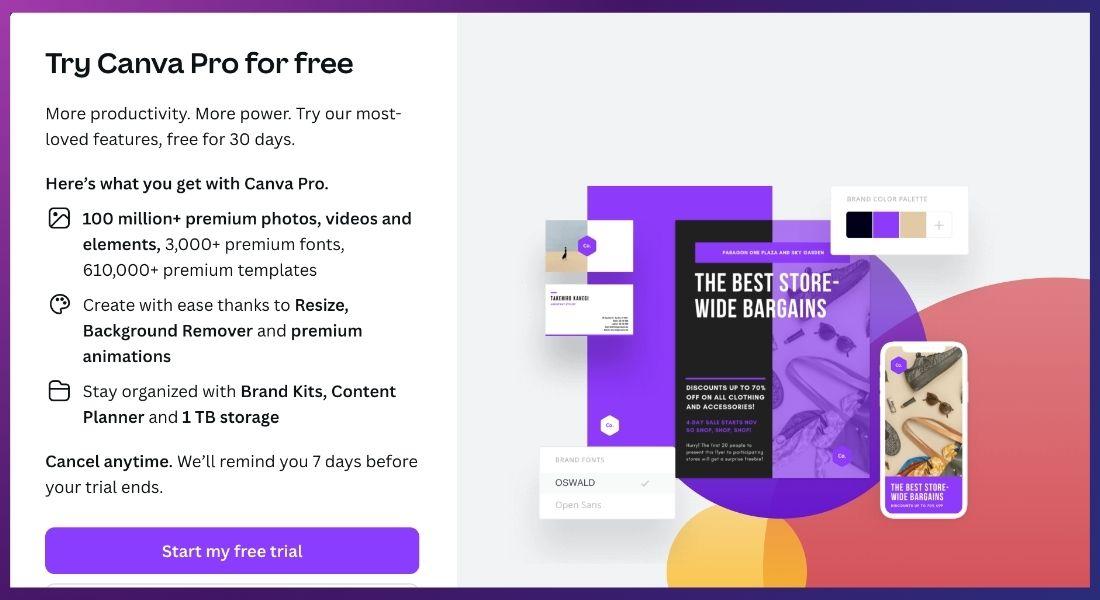
- Canva: For copywriters creating visually appealing portfolio samples, Canva is a must. It’s user-friendly and has a wide range of templates to showcase your work in an attractive format.
- Airstory: An underrated tool for organizing research and pulling notes into your drafts. Perfect for when you’re handling data-heavy or research-based content.
Realistic Earnings and Growth Potential
Starting Rates
New copywriters often start with rates of $15–$50 per hour or by charging per project. As you acquire expertise and carve out a niche, your income will increase.
Scaling Up
As you get more comfortable, specialize in high-value content types like:
- Sales Pages: Typically pay more due to their importance in driving revenue.
- Long-form Articles: Brands looking for thought leadership pay premium rates.
- Email Sequences: Companies will pay well for effective email funnels that convert leads.
High-Value Projects
Successful copywriters who turn this side hustle into a full-time gig often work on:
- Comprehensive branding projects.
- Ongoing contracts for monthly content.
- Sales copy for major product launches.
Motivational Boost: Stories abound of copywriters who began by taking on projects in their free time and now run six-figure businesses.
Continuous Improvement: Sharpen Your Copywriting Skills
Follow Industry Leaders
To stay inspired and informed, follow copywriting experts like Ann Handley and read from advertising greats like David Ogilvy.
Here's a table with current industry leaders in copywriting, including links to their profiles or websites:
| Name | Position | Why They’re a Leader | Link |
| Ann Handley | Chief Content Officer at MarketingProfs | Author of Everybody Writes and expert in engaging, customer-focused content creation. Shares insights through newsletters and is influential in content strategy. | Ann Handley's Website |
| Joanna Wiebe | Founder of Copyhackers | Known as “the original conversion copywriter,” she provides courses and resources for persuasive writing that boosts conversions. | Copyhackers |
| Neil Patel | Co-founder of Neil Patel Digital | Renowned for strategies on compelling SEO copy and content marketing. His blog and podcast offer practical advice for content creators. | Neil Patel's Blog |
| David Ogilvy (Historical Influence) | Founder of Ogilvy & Mather | Considered “The Father of Advertising,” his principles in Ogilvy on Advertising remain essential for copywriters today. | Ogilvy's Legacy |
| Gary Vaynerchuk | CEO of VaynerMedia | Advocates for authentic and emotional brand storytelling, essential for social media copywriting. | Gary Vee's Website |
| Copyblogger (Sonia Simone and Brian Clark) | Founders and Contributors | Pioneers in content marketing and persuasive writing, providing resources and training for copywriters. | Copyblogger |
This table highlights key figures in the industry along with direct links to their websites or platforms where they share their insights and resources.
Practice, Practice, Practice
Make it a habit to write every day. This could be ad mock-ups, quick taglines, or even rewriting existing ads you come across.
Invest in Courses and Books
- Courses: Copyhackers offers deep-dive courses into specific aspects of copywriting.
- Books: “The Copywriter’s Handbook” by Robert Bly and “Made to Stick” by Chip Heath are invaluable resources.
Pro Tip: Stay on top of marketing trends by reading articles on sites like Content Marketing Institute to keep your writing relevant and effective.
Conclusion
Starting a copywriting side hustle isn’t just about earning extra income; it’s about mastering a skill that opens doors to limitless opportunities. Whether you dream of quitting your 9-to-5 or just want a flexible way to supplement your income, the time to start is now. Remember, every expert copywriter was once a beginner—your journey starts with the first word.
If you're finding success with your copywriting side hustle and want to explore other profitable writing opportunities, check out this in-depth guide on how to turn eBook writing into a 6-figure side hustle. It’s packed with insights to help you diversify your income and scale your skills to new heights.
