






In today’s fast-paced business environment, accurate and efficient bookkeeping is critical for success. By monitoring financial transactions such as sales, purchases, payments, and receipts, bookkeeping provides business owners with the financial data they use to make informed decisions.
As AI-powered bookkeeping services grow, you can streamline financial processes for small businesses, startups, and freelancers, helping them save time and avoid costly errors. You can manage a variety of clients and make between $500 and $2,000 a month by using AI tools to automate human labour.
Why Start a Bookkeeping Side Hustle?
Bookkeeping is a é task for businesses of all sizes. However, many small businesses struggle with keeping their financial records up to date due to time constraints, limited resources, and the risk of human error. According to a 2022 report by Forbes, accurate bookkeeping is one of the key pillars of business success, helping companies manage cash flow and maintain compliance with tax regulations.
Here’s why starting a bookkeeping side hustle can be a profitable and rewarding option:
- Constant Demand: Every business, whether a small startup or a growing enterprise, needs accurate financial records. Many business owners, however, struggle to balance managing their operations and keeping their books in order. This creates a consistent demand for bookkeeping services that ensure compliance and financial clarity.
- AI Automation: AI Automation: Traditional bookkeeping can be tedious and prone to errors, with tasks like manual transaction categorization, account reconciliation, and report generation taking up significant time. AI-powered bookkeeping tools automate these repetitive tasks, reducing human error and freeing up your time to take on more clients. As explained in Accounting Today, AI tools are revolutionizing the accounting and bookkeeping industry by making processes faster, more accurate, and scalable.
- Low Overhead: Since bookkeeping is primarily a digital service, all you need is a computer and access to bookkeeping software. This makes starting up both affordable and scalable as your client base grows.
- Scalability: AI technology allows you to scale your business without increasing your workload. By automating most financial processes, you can handle more clients simultaneously and focus on providing valuable insights rather than getting bogged down in manual data entry.
Why Start a Bookkeeping Side Hustle?
Bookkeeping is a é task for businesses of all sizes. However, many small businesses struggle with keeping their financial records up to date due to time constraints, limited resources, and the risk of human error. According to a 2022 report by Forbes, accurate bookkeeping is one of the key pillars of business success, helping companies manage cash flow and maintain compliance with tax regulations.
Here’s why starting a bookkeeping side hustle can be a profitable and rewarding option:
- Constant Demand: Every business, whether a small startup or a growing enterprise, needs accurate financial records. Many business owners, however, struggle to balance managing their operations and keeping their books in order. This creates a consistent demand for bookkeeping services that ensure compliance and financial clarity.
- AI Automation: AI Automation: Traditional bookkeeping can be tedious and prone to errors, with tasks like manual transaction categorization, account reconciliation, and report generation taking up significant time. AI-powered bookkeeping tools automate these repetitive tasks, reducing human error and freeing up your time to take on more clients. As explained in Accounting Today, AI tools are revolutionizing the accounting and bookkeeping industry by making processes faster, more accurate, and scalable.
- Low Overhead: Since bookkeeping is primarily a digital service, all you need is a computer and access to bookkeeping software. This makes starting up both affordable and scalable as your client base grows.
- Scalability: AI technology allows you to scale your business without increasing your workload. By automating most financial processes, you can handle more clients simultaneously and focus on providing valuable insights rather than getting bogged down in manual data entry.
How a Bookkeeping Side Hustle Works
If you're wondering how to start a bookkeeping business, here’s the step-by-step process to get your side hustle off the ground and running efficiently:
Step 1: What Are the Basics of Bookkeeping?
Before you dive into managing clients’ finances, it's important to understand basic bookkeeping principles such as managing accounts payable and receivable, balancing sheets, and understanding income statements. These are essential skills that provide the foundation for good bookkeeping services.
Example: Take an online course through Coursera or Udemy to quickly learn the basics and gain certifications to enhance credibility.
Step 2: How Do AI Tools Help with Bookkeeping?
After mastering the basics, it’s crucial to familiarize yourself with AI-powered bookkeeping tools. These tools automate many manual tasks like categorizing transactions and reconciling accounts, reducing the risk of errors.
Pro Tip: Popular AI-powered tools like QuickBooks Online and Xero are great options for automating routine financial tasks, allowing you to take on more clients with less effort.
Step 3: What Services Should You Offer?
Decide which bookkeeping services you’ll provide. This could include full-service bookkeeping, invoicing, payroll, or tax preparation. Offering specialized services can help attract a more targeted clientele.
Example: Focus on managing accounts payable, invoicing, and cash flow monitoring for small businesses, or specialize in providing freelancers with end-of-year tax preparation.
Step 4: How Do You Onboard Clients?
Once you’ve determined the services you’ll offer, the next step is onboarding clients. Set up their accounts using AI bookkeeping tools, input historical financial data, and automate future transactions to reduce manual work.
Pro Tip: Offer a free financial audit or consultation to show potential clients the value of your services.
Step 5: How Can You Provide Ongoing Support?
Regularly review your clients’ financial records to ensure accuracy. If discrepancies arise, resolve them quickly, and provide clients with regular reports to help them make informed business decisions.
Who Needs AI-Powered Bookkeeping Services?
A wide range of businesses and individuals need bookkeeping services, especially when powered by AI tools. Here’s a breakdown of potential clients:
1. Small to Medium-Sized Enterprises (SMEs)
SMEs often don’t have the resources for a full-time bookkeeper or accounting department, making freelance bookkeeping a cost-effective solution.
2. Startups
Startups are focused on innovation and growth, often neglecting bookkeeping. Automated bookkeeping tools help them stay on track financially while focusing on core business operations.
3. Freelancers and Self-Employed Professionals
Freelancers need to track income and expenses for tax purposes, but many struggle with bookkeeping. Outsourcing this task ensures they stay organized and compliant with tax laws.
4. Non-Profit Organizations
Non-profits must maintain transparent financial records to show how they use funds. AI-powered bookkeeping ensures accuracy and financial transparency for donors and stakeholders.
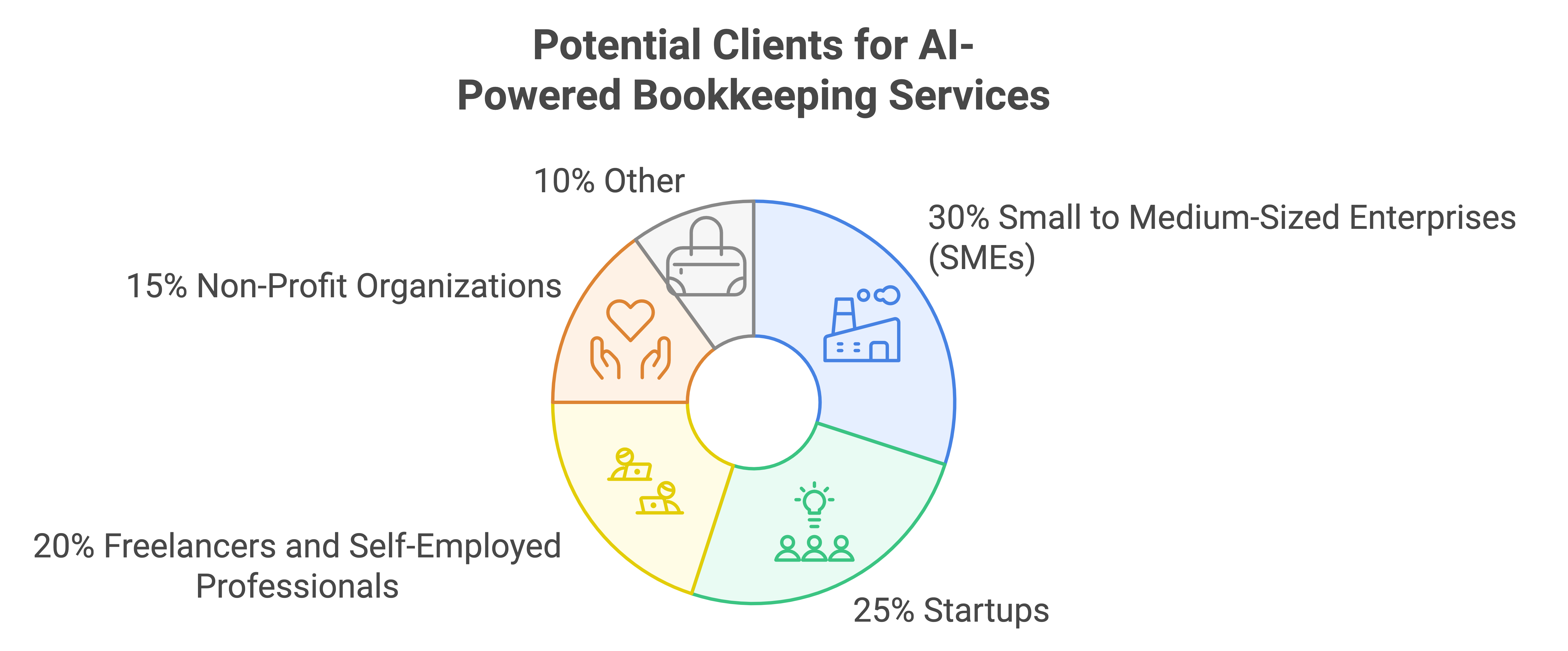
Chart by Napkin AI
How to Generate Leads for Your Bookkeeping Side Hustle
Generating leads for your bookkeeping side hustle requires building your reputation and showcasing your expertise. Here are proven strategies:
1. Leverage Your Network
Reach out to former colleagues, friends, or business contacts to let them know about your services. Personal referrals can be a strong source of initial clients.
Pro Tip: Provide a customised email or message outlining how your AI-powered bookkeeping may help their company's financial management.
2. Attend Business Networking Events
Networking events offer great chances to connect with possible customers. Be ready to explain how your AI-powered services can improve bookkeeping accuracy and efficiency.
3. Optimize Your LinkedIn Profile
Make sure your LinkedIn profile is optimized to highlight your bookkeeping services. Share articles, updates, or content related to bookkeeping and accounting to engage potential clients.
Pro Tip: Join LinkedIn groups related to bookkeeping, accounting, and business management to network and share your expertise.
4. Content Marketing
Create and share blog posts or social media content on topics such as bookkeeping tips, financial management, and the latest trends in AI. This establishes you as an authority in your field and attracts clients.
Example: A blog post titled “5 Ways AI is Revolutionizing Bookkeeping for Small Businesses” can generate interest from business owners looking to modernize their financial processes.
5. Freelance Marketplaces
Platforms like Upwork and Fiverr are excellent places to find clients looking for bookkeeping services. Create detailed profiles that highlight your experience and expertise with AI bookkeeping tools.
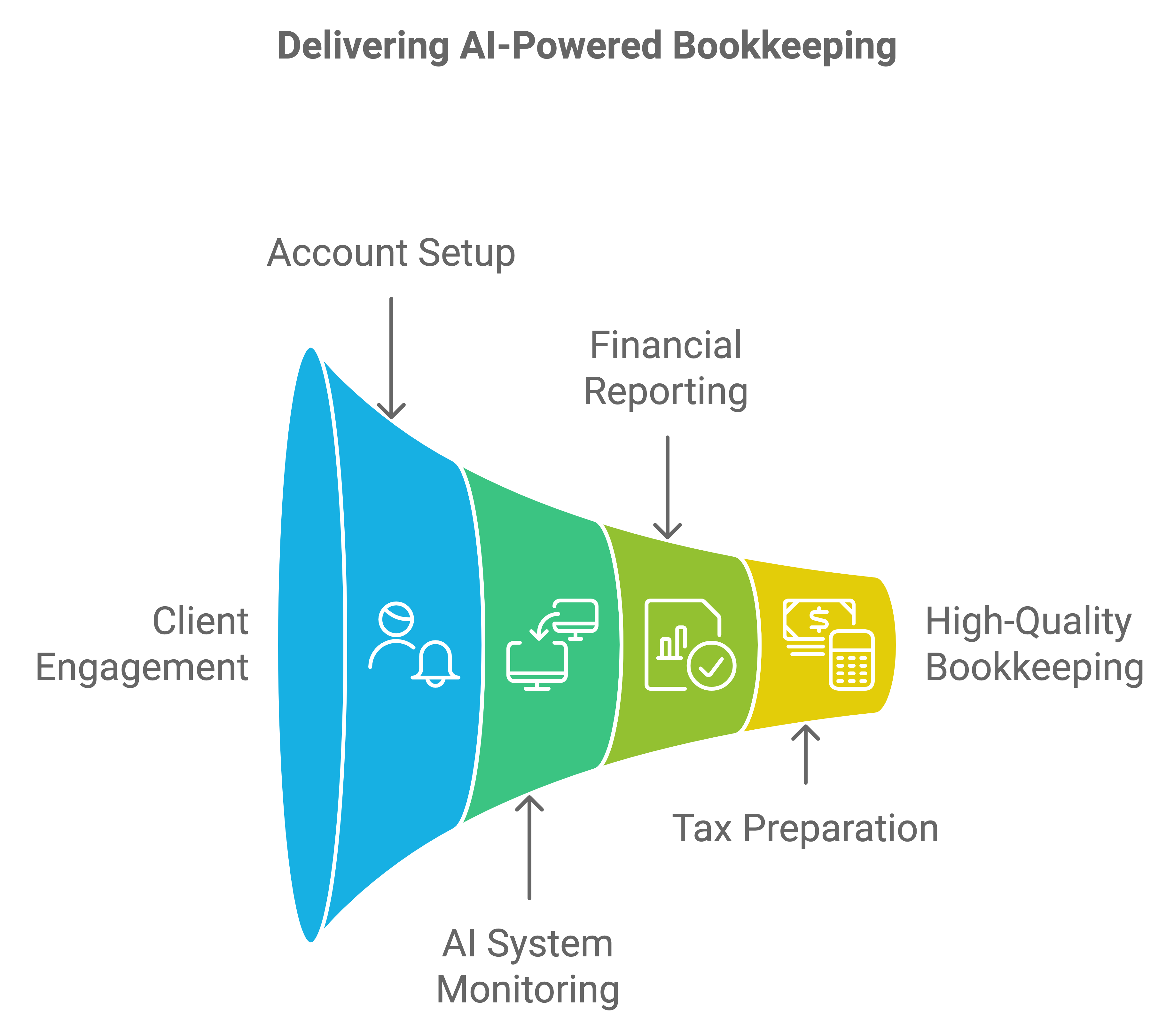
Chart by Napkin AI
How to Fulfill AI-Powered Bookkeeping Services
Effectively delivering AI-powered bookkeeping services requires a clear workflow, attention to detail, and consistent communication with your clients. Here’s a step-by-step guide to ensuring your clients receive high-quality, accurate bookkeeping services that leverage the full potential of AI tools:
Step 1: Set Up Clients’ Accounts
Once you’ve signed a client, your first task is to set up their bookkeeping system. Use AI-powered bookkeeping tools to integrate their bank accounts, credit cards, and any financial software they currently use. This integration allows the AI to automate and streamline future transactions.
- Action: Input historical data for a comprehensive financial record, ensuring the AI has a complete view of the client's financial history to automate ongoing tasks like transaction categorization and reconciliation.
- Pro Tip: Set clear expectations with your clients about the onboarding process and what financial data you’ll need from them upfront.
Step 2: Monitor the AI System
Even though AI tools handle most of the heavy lifting, regular monitoring is crucial to ensure the system is working properly. The AI should automatically categorize transactions, reconcile accounts, and flag inconsistencies.
- Action: Regularly review reports generated by the AI tool to ensure that income, expenses, and other financial transactions are categorized correctly.
- Pro Tip: AI tools are highly accurate, but it’s still important to manually double-check essential data like expense categories, revenue recognition, and payroll to ensure there are no discrepancies. This added attention to detail will prevent costly errors from slipping through.
Step 3: Generate Financial Reports
Creating real-time financial reports that give your clients concise, useful information is one of the main advantages of AI-powered bookkeeping. Depending on your clients’ needs, you’ll want to generate monthly, quarterly, or yearly reports.
- Action: Use the AI to create visually appealing financial reports with charts and graphs, making it easier for clients to interpret their financial health. Include insights such as cash flow trends, expense breakdowns, and profit margins.
- Pro Tip: AI tools like QuickBooks Online and Xero provide customizable templates for financial reports. Tailor these to your client’s business goals, offering additional analysis to help them with budgeting, forecasting, or investment planning.
Step 4: Offer Tax Preparation Assistance
Many businesses find tax season to be a daunting task, but your AI-powered bookkeeping services can streamline the process. You may make sure your clients are ready for tax filings by automating the gathering and arrangement of financial data throughout the year.
- Action: Organize and prepare tax-ready financial documents for your clients, ensuring compliance with local tax laws. Use the AI’s data to track deductible expenses, generate profit and loss statements, and provide any additional documentation required by tax authorities.
- Pro Tip: Many AI bookkeeping tools integrate with tax software, allowing you to automate tax filings and reduce errors. Throughout the year, provide clients with continuing tax planning guidance to reduce their tax obligations and optimise possible savings.
By following this process, you can deliver AI-powered bookkeeping services that save your clients time, improve financial accuracy, and provide valuable insights into their business. Staying proactive and offering continuous support will help you build long-lasting relationships and generate more referrals for your side hustle.
The AI Tools You Can Use
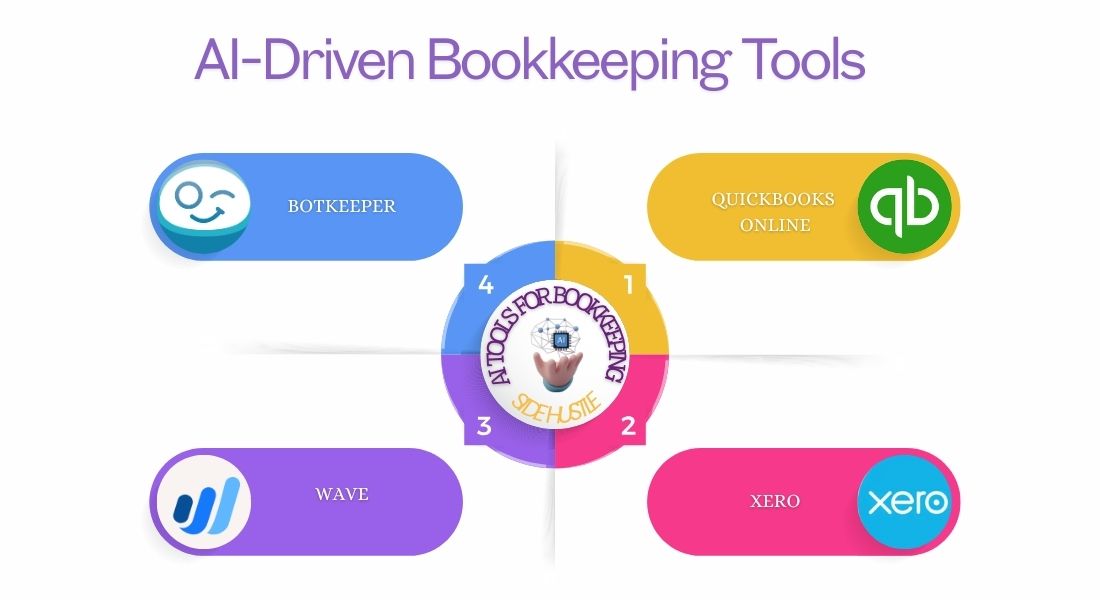
AI-powered bookkeeping tools are revolutionizing the way bookkeeping is done, offering unparalleled efficiency, accuracy, and automation. You may improve client management, lower human mistake rates, and give clients real-time financial health information by incorporating these technologies into your bookkeeping side business. Here are some of the best AI tools that can help you elevate your services:
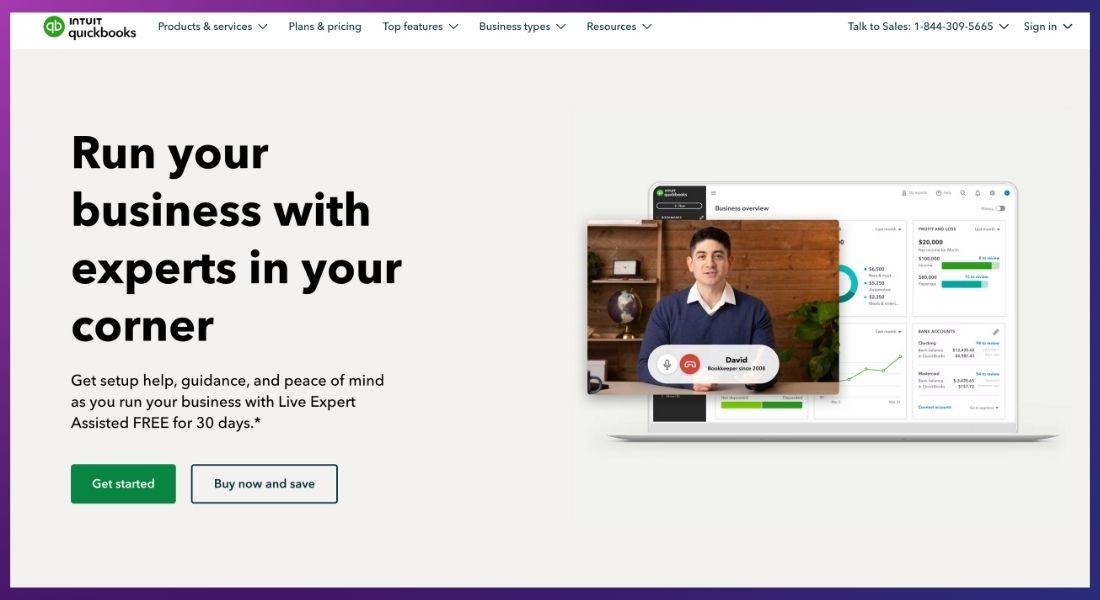
1. QuickBooks Online
Key Feature: QuickBooks Online is a comprehensive bookkeeping solution that automates essential tasks like receipt capture, transaction categorization, and cash flow forecasting. It provides an intuitive dashboard that offers small businesses an at-a-glance view of their financial status.
- How It Helps: QuickBooks streamlines your workflow by auto-categorizing income and expenses, generating invoices, and reconciling accounts. Its AI-driven features minimize human error and offer cash flow predictions, making it easier to plan ahead.
- Pro Tip: Use the advanced reporting features to offer clients detailed, customizable financial reports with just a few clicks.
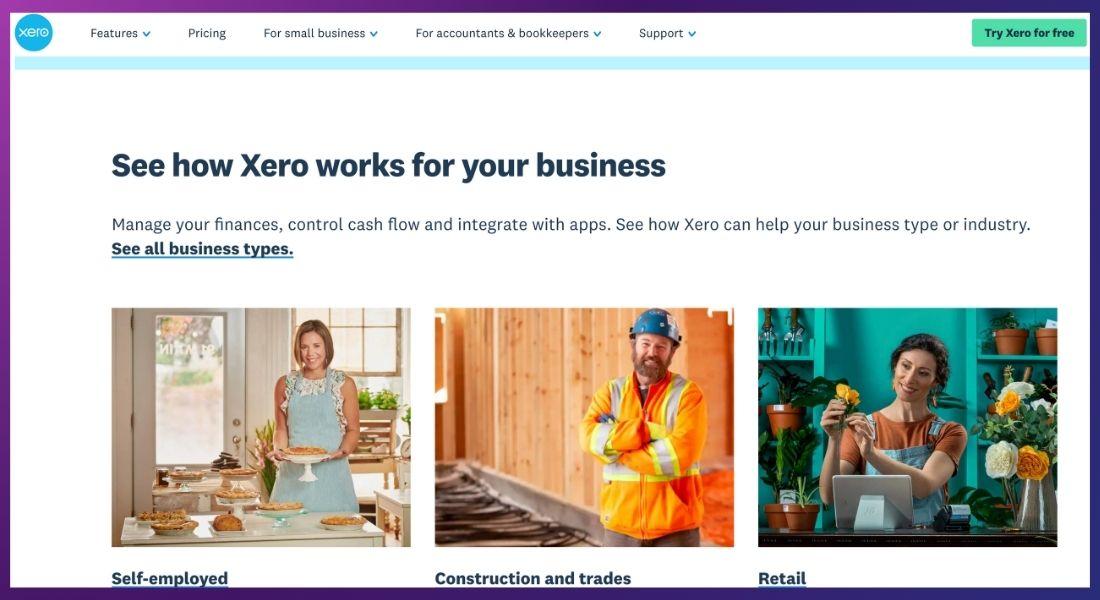
2. Xero
Key Feature: Xero is known for its robust AI-driven functionalities, including automatic bank reconciliation, invoicing, and real-time financial reports. It integrates seamlessly with over 1,000 third-party apps, making it an adaptable tool for a wide range of business types.
- How It Helps: Xero simplifies the bookkeeping process by automatically reconciling transactions and syncing with clients' bank accounts. Its AI tools ensure that transactions are categorized properly, while real-time financial reports help clients stay updated on their business performance.
- Pro Tip: Xero’s mobile app allows you to manage clients' finances on the go, offering flexibility and responsiveness when your clients need it most.
3. Botkeeper
Key Feature: Botkeeper leverages machine learning and AI to automate bookkeeping tasks like transaction categorization and account reconciliation. It’s designed specifically for bookkeepers and accountants who want to manage multiple clients efficiently.
- How It Helps: By automating repetitive tasks like data entry, Botkeeper saves you significant time. Its AI can handle high volumes of transactions with minimal oversight, allowing you to focus on providing strategic financial insights to your clients.
- Pro Tip: Botkeeper integrates with popular accounting software like QuickBooks and Xero, offering flexibility and scalability as you grow your bookkeeping side hustle.
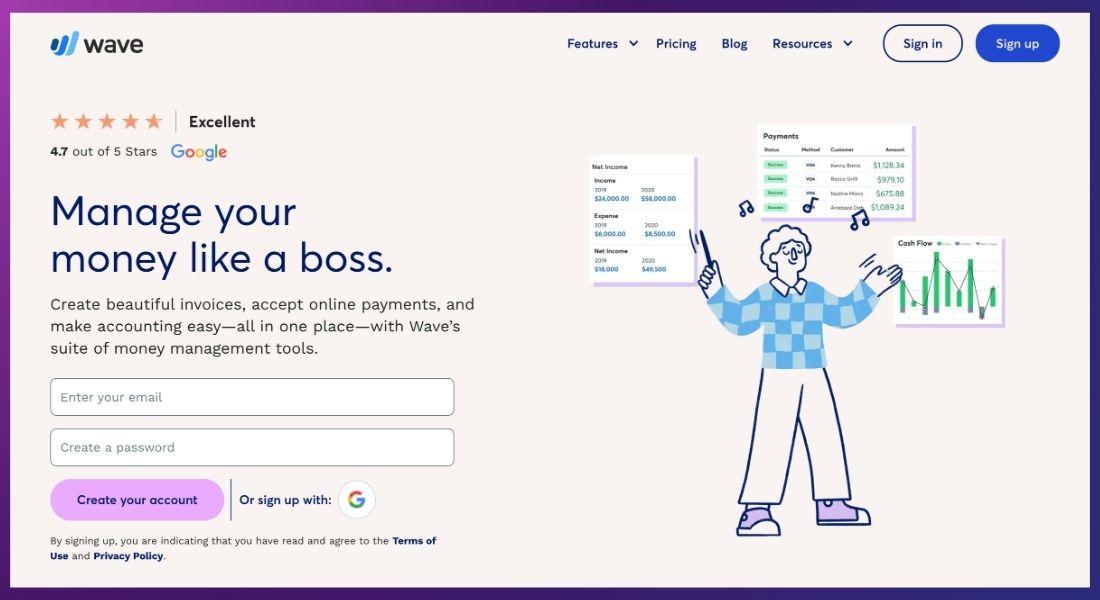
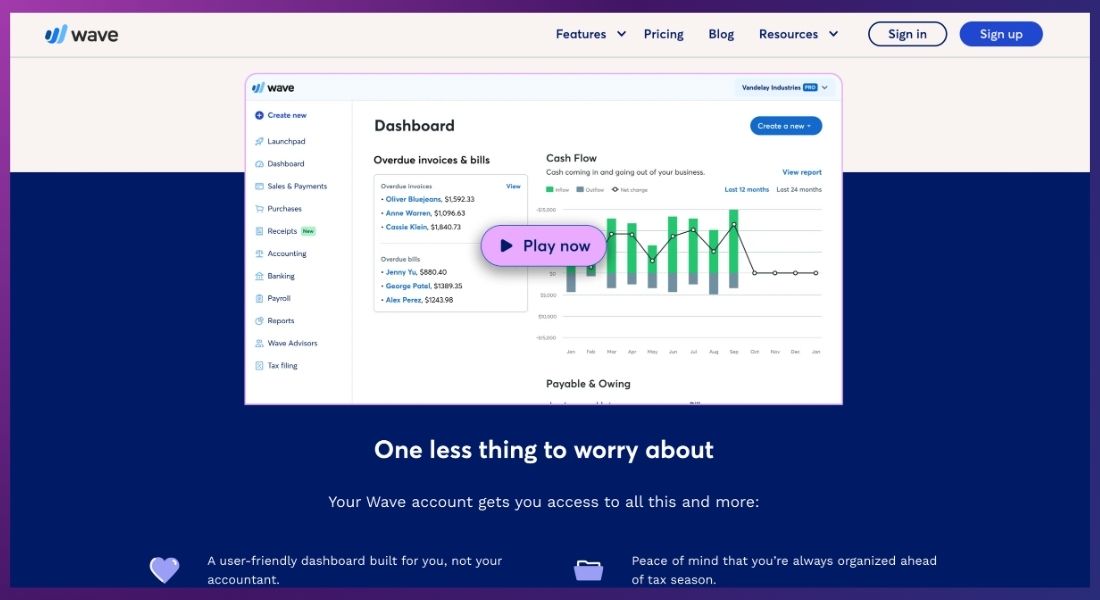
4. Wave
Key Feature: Wave is a free, user-friendly accounting platform with built-in AI features like invoicing, receipt scanning, and financial reporting. It’s ideal for freelancers, small businesses, and self-employed individuals looking for an affordable yet powerful bookkeeping solution.
- How It Helps: Wave’s AI automates invoicing and categorizes expenses, making it easy for small business owners to manage their finances. Its easy-to-use interface allows you to track cash flow and generate reports fast without the need for pricey software.
- Pro Tip: While Wave is free, you can offer premium services like payroll or credit card processing as an add-on for clients who need more advanced features.
By integrating these AI-powered bookkeeping tools into your service offerings, you can significantly enhance your productivity, accuracy, and client satisfaction. These solutions are made to automate the time-consuming parts of bookkeeping so you can concentrate on giving your clients more strategic financial advice and expanding your company.
Conclusion: Ready to Start Your AI-Powered Bookkeeping Side Hustle?
Bookkeeping is essential for businesses, and with the help of AI tools, you can deliver efficient and scalable services. Whether you’re working with small businesses, freelancers, or non-profits, there’s a growing demand for automated bookkeeping solutions.
Start your bookkeeping side hustle and help businesses manage their finances with ease. If you're interested in exploring another profitable side hustle, consider writing eBooks with the help of AI. Check out our guide on how to get started here: Master eBook Writing with AI
