

Ad copy is the foundation of any profitable advertising campaign. In 2024, mastering ad copy optimization and conversion rate optimization (CRO) requires combining proven techniques with the latest advancements in AI in advertising and A/B testing for ads. This guide will help you craft compelling ad copy, analyze user behavior, and increase conversions with actionable strategies.
What is Ad Copy Optimization?
Ad copy optimization is fine-tuning your advertising copy to achieve better engagement, higher click-through rates (CTR), and improved conversions. It’s about crafting messages that resonate with your audience while meeting the technical requirements of platforms like Google Ads.
Why It’s Important:
- Better ROI: Optimized ad copy minimizes wasted clicks and maximizes conversions.
- Higher Engagement: A well-written ad captures attention instantly.
- Increased Relevance: Relevant ads improve your ad quality score and reduce costs.
Example: Compare these two ads:
- “Buy Shoes Now!”
- “Step Into Comfort: Save 30% on Stylish Running Shoes!”
- The second ad is optimized. It uses a compelling headline, includes a benefit, and creates urgency.

Why Ad Copy Optimization Matters
Compelling ad copy does more than grab attention—it guides users toward a desired action, whether making a purchase, signing up, or clicking through a sales funnel. You can craft messages that connect with your audience and drive results by focusing on ad copy optimization.
The Role of AI in Advertising
In 2024, AI-powered tools are transforming how advertisers create and optimize campaigns. Here's how AI can improve your ads:
- Generative AI for Ad Copy: Use AI tools to create engaging, tailored ad copy in seconds.
- Predictive Analytics: Leverage AI to analyze user behavior and predict what will resonate most with your audience.
- Real-Time Adjustments: AI enables dynamic updates to your ad copy based on live performance data, ensuring maximum impact.
Critical Elements of High-Converting Ad Copy
To create compelling ad copy, focus on these four core elements:
Keyword Focus
Keywords improve relevance by aligning your ad with user search intent. Including the main keyword in your headline, description, and display URL boosts performance.
- Pro Tip: Use long-tail keywords to target specific audiences more effectively.
- Example: Instead of "Buy Laptops," use "Affordable Laptops Under $500."
Mention Your Brand
Your brand name should appear in your ad to build recognition and trust, especially if you’re a smaller or newer business.
- Pro Tip: Pair your brand with a unique benefit: “Shop [Brand Name] for Exclusive Deals!”
- Why It Matters: You’re already paying for visibility—don’t miss the opportunity to promote your brand.
Strong Calls-to-Action (CTAs)
Your CTA directs users on what to do next. Strong CTAs are clear, action-oriented, and tied to a specific benefit.
- Examples:
- Weak: “Click Here”
- Strong: “Shop Now and Save 20%”
- Personalized: “Call Tony Today to Book Your Free Consultation”
- Pro Tip: Add urgency or a unique angle to your CTA for better results.
Emotional Triggers
Emotions are a powerful motivator. Use emotional appeals like curiosity, urgency, or humor to make your ad memorable.
- Examples:
- Curiosity: “Skinny Dip in Your Pool” (building intrigue).
- Urgency: “Sale Ends Tonight—Don’t Miss Out!”
- Trust: “Guaranteed Best Price or Your Money Back.”
| Unoptimized Ad | Optimized Ad | Why Optimized Works |
| "Buy Shoes Now!" | "Step Into Comfort: Save 30% on Stylish Running Shoes!" | Uses emotional appeal, a benefit (comfort), and urgency. |
| "Call Us Today!" | "Call Tony Today for Personalized Service!" | Personalization builds trust and creates an approachable tone. |
Strategies for Effective Ad Copy Optimization
1. Know Your Audience
Understanding your audience’s wants, preferences, and pain points is the foundation of excellent ad copy.
- Tools for Audience Insights:
- Google Analytics.
- Facebook Audience Insights.
- Pro Tip: Use different tones and styles depending on your target demographics (e.g., casual for Gen Z, professional for Baby Boomers).
2. Analyze Competitor Ads
Research your competitors’ ads to identify opportunities for differentiation.
- Pro Tip: Search for your target keywords and ask:
- What’s missing in their ads?
- How can you offer something unique?
- Example: If competitors are emphasizing features, focus on emotional benefits.
3. A/B Testing for Ads: A Crucial Step in Optimization
A/B testing for ads allows you to compare variations of your ad copy and identify what works best. Here's how to implement it effectively:
- Define Variables: Test specific elements like headlines, CTAs, or visuals.
- Run Controlled Tests: Test one element at a time to isolate its impact on conversion rate.
- Analyze Test Results: Use analytics tools to review the test results and optimize your projects based on the data.
4. Highlight Unique Selling Points (USPs)
Your USP sets you apart from rivals and encourages users to click.
- Examples of USPs:
- Free shipping.
- 24/7 customer support.
- Sustainable and eco-friendly products.
- Pro Tip: Incorporate your USP into your headline or description for maximum impact.
5. Leverage Fear of Missing Out (FOMO)
FOMO creates urgency and encourages immediate action.
- Examples:
- “Only 2 Left in Stock—Order Now!”
- “Limited-Time Offer: Ends Tonight!”
- Pro Tip: Pair FOMO with a substantial benefit for maximum conversions.
Step-by-Step Checklist: Crafting Optimized Ad Copy
| Step | Action | Pro Tip |
| 1. Audience Research | Define your target audience and their preferences. | Use tools like Google Analytics or Facebook Audience Insights for precise data. |
| 2. Identify Keywords | Find relevant keywords, including long-tail keywords, to target your audience effectively. | Use tools like SEMrush or Google Keyword Planner to identify high-performing keywords. |
| 3. Write a Compelling Headline | Craft a headline that includes the primary keyword and highlights a benefit or curiosity element. | Example: “Save 30% on Comfortable Running Shoes – Shop Today!” |
| 4. Incorporate a Strong CTA | Add a clear and action-driven CTA that motivates users to act immediately. | Example: “Call Now to Save 20%!” or “Shop Now for Free Shipping.” |
| 5. Use Emotional Triggers | Include curiosity, urgency, or trust-building elements to connect emotionally with your audience. | Example: “Limited Time Offer – Ends Tonight!” |
| 6. Mention Your Brand | Include your brand name to build recognition and authority. | Example: “Shop [Brand Name] for the Best Deals on Stylish Laptops.” |
| 7. Align with Landing Pages (Conversion Funnel) | Ensure the keywords, benefits, and CTAs in your ad copy match your landing page content. | Keep the message consistent from the ad to the landing page to reduce bounce rates. |
| 8. Test, Analyze, Optimize | Run A/B tests for headlines, CTAs, and emotional triggers. Use metrics like CTR and conversion rates. | Use Google Ads' built-in split testing tools to identify top-performing variations. |
Real-World Examples of Successful Ad Copy
1. Nike: “Just Do It”
- Why It Works:
- Simplicity: Short, memorable, and universally relevant.
- Emotional Trigger: Encourages action and self-belief.
2. Airbnb: “Book Unique Homes and Experiences”
- Why It Works:
- Keyword Focus: "Unique Homes" targets a specific audience.
- Emotional Trigger: Sparks curiosity and a desire for adventure.
3. Amazon: “One-Day Shipping – Get It Tomorrow!”
- Why It Works:
- FOMO: Emphasizes speed, appealing to time-conscious shoppers.
- CTA: Encourages immediate action with "Get It Tomorrow.
How Conversion Rate Optimization Complements Ad Copy
Conversion rate optimization (CRO) focuses on refining your campaign to maximize conversions. When paired with optimized ad copy, CRO can significantly enhance results. Here's how:
- Optimize Landing Pages: Ensure your landing page aligns with your ad copy, offering a seamless user experience.
- Improve CTA Buttons: Make CTAs prominent, action-oriented, and visually appealing.
- Track the Average Conversion Rate: Compare your performance to industry benchmarks and continually test for improvements.
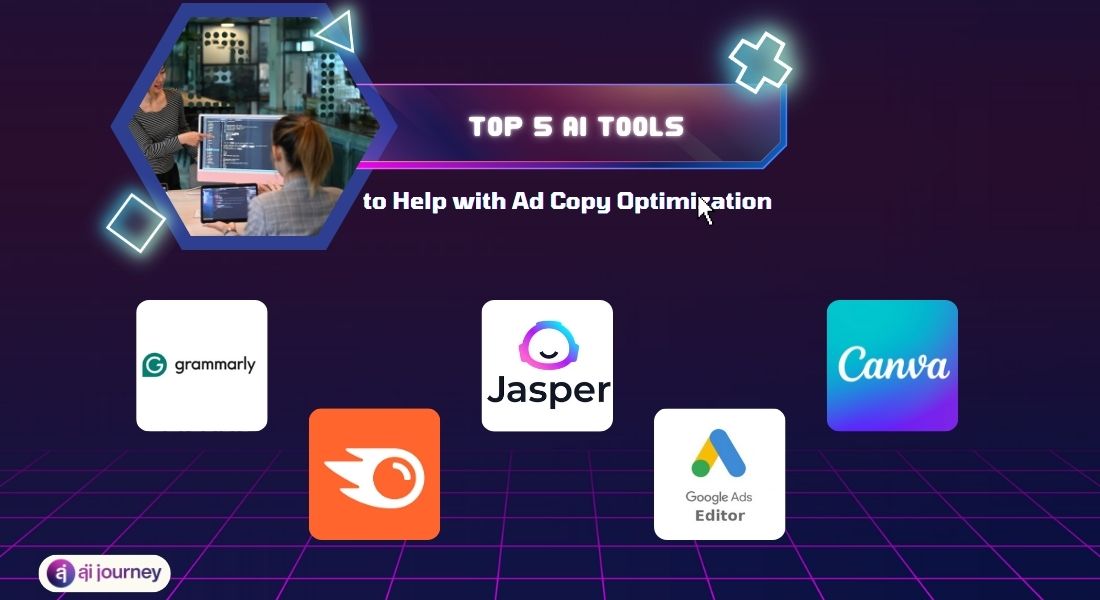
Tools to Help with Ad Copy Optimization
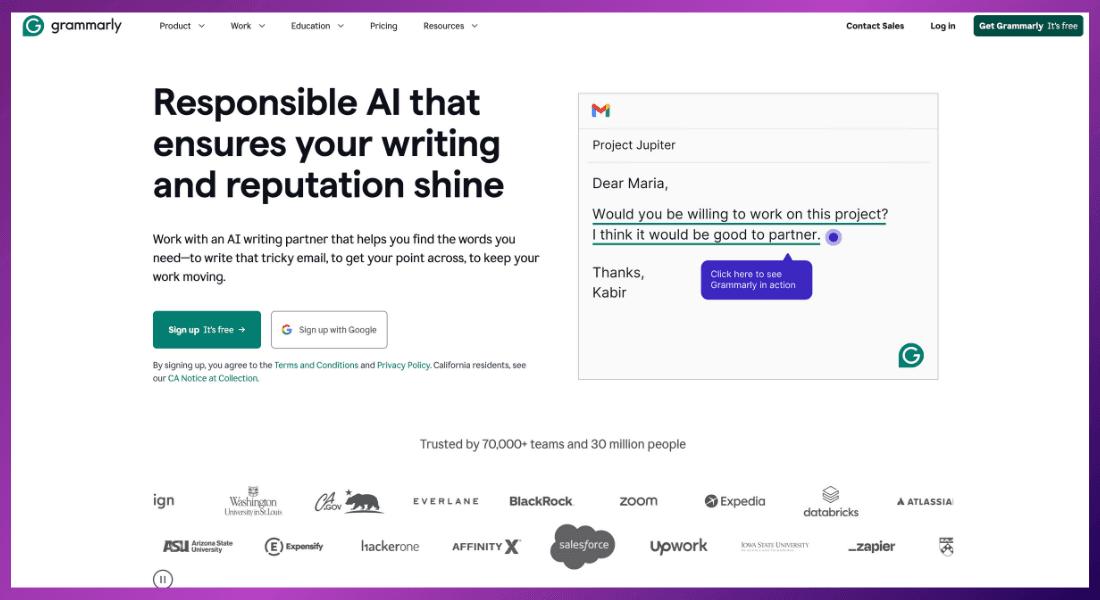
1. Grammarly
Grammarly is a must-have for polishing your ad copy. It checks for grammar, clarity, and tone, ensuring your ads are professional and easy to read.
- How to Use It: Copy-paste your ad copy into Grammarly’s editor for instant suggestions.
- Pro Tip: Use Grammarly’s tone detector to match your audience’s preferences. For example, use a professional tone for B2B ads or a conversational tone for younger audiences.
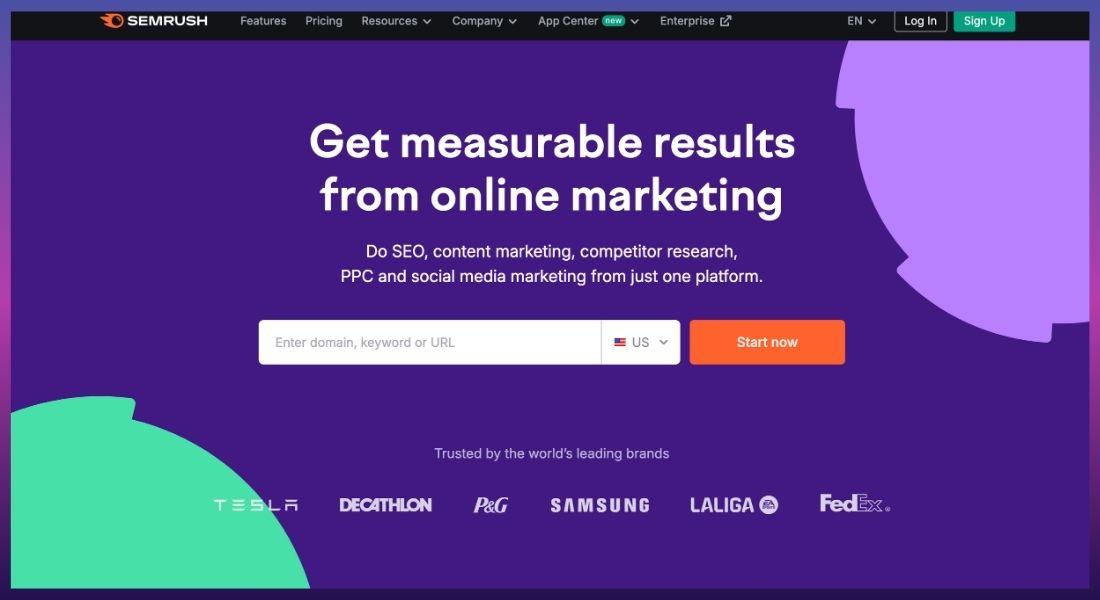
2. SEMrush
One of the best resources for competition analysis and keyword research is SEMrush. This tool helps you identify high-performing keywords and analyze your competitors’ PPC campaigns.
- How to Use It: Use the Keyword Magic Tool to identify keywords with a high search volume and minimal competition.
- Pro Tip: Use the Keyword Gap feature to find keywords your competitors rank for, but you don’t, and tailor your ads around these opportunities.
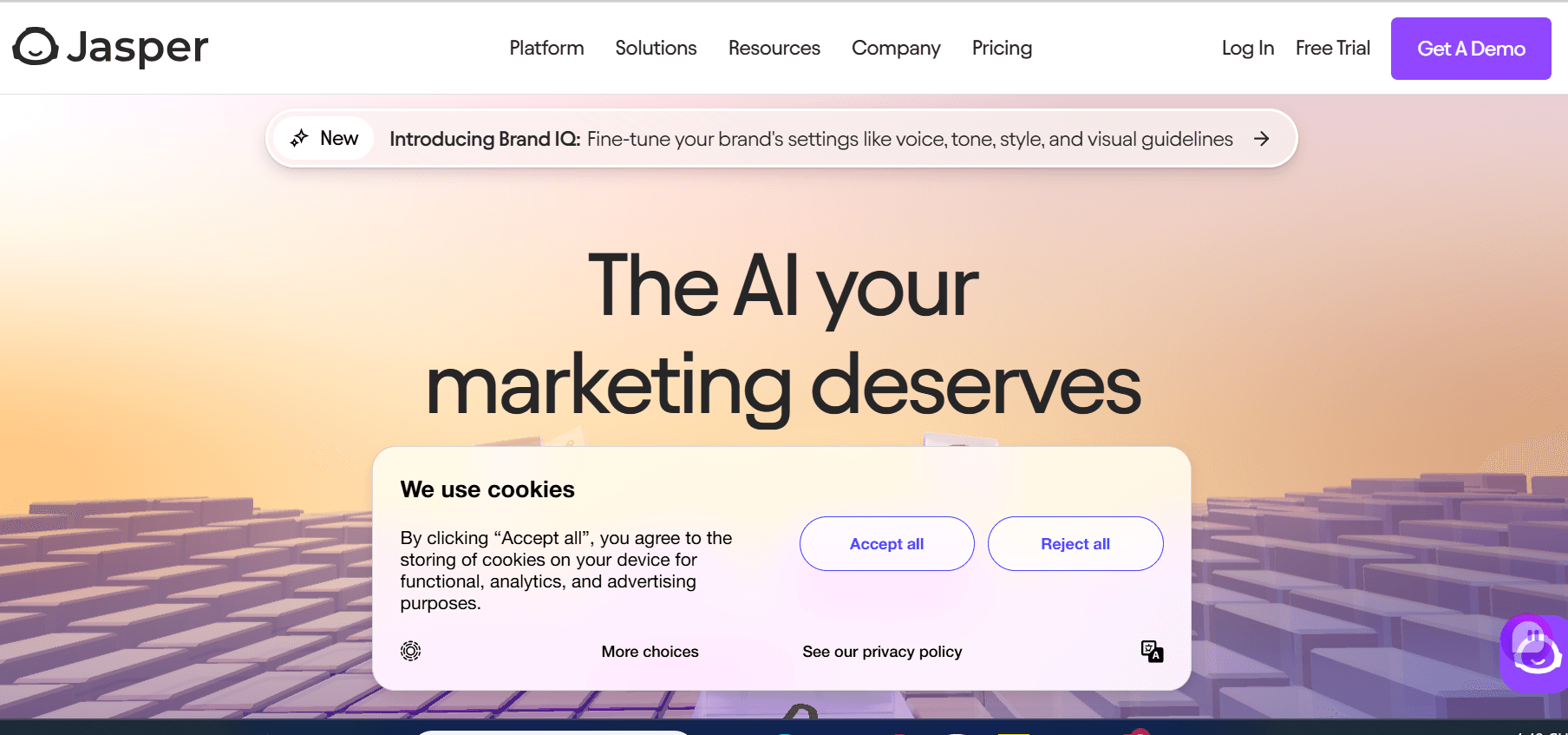
3. Jasper AI
Jasper AI is an AI-powered writing assistant that generates creative and engaging ad copy. It’s beneficial for brainstorming headlines and CTAs.
- How to Use It: Input a short prompt, such as “Create a Google Ad for a 50% discount on fitness gear,” and Jasper will generate multiple options.
- Pro Tip: Customize Jasper’s tone settings (e.g., professional, witty, or casual) to align with your brand voice.
4. Google Ads Editor
Google Ads Editor simplifies bulk ad creation, editing, and optimization, making it perfect for managing large campaigns.
- How to Use It: Use the tool to test multiple ad variations quickly or make bulk changes across campaigns.
- Pro Tip: Schedule ads directly in Google Ads Editor to automate campaign launches and save time.
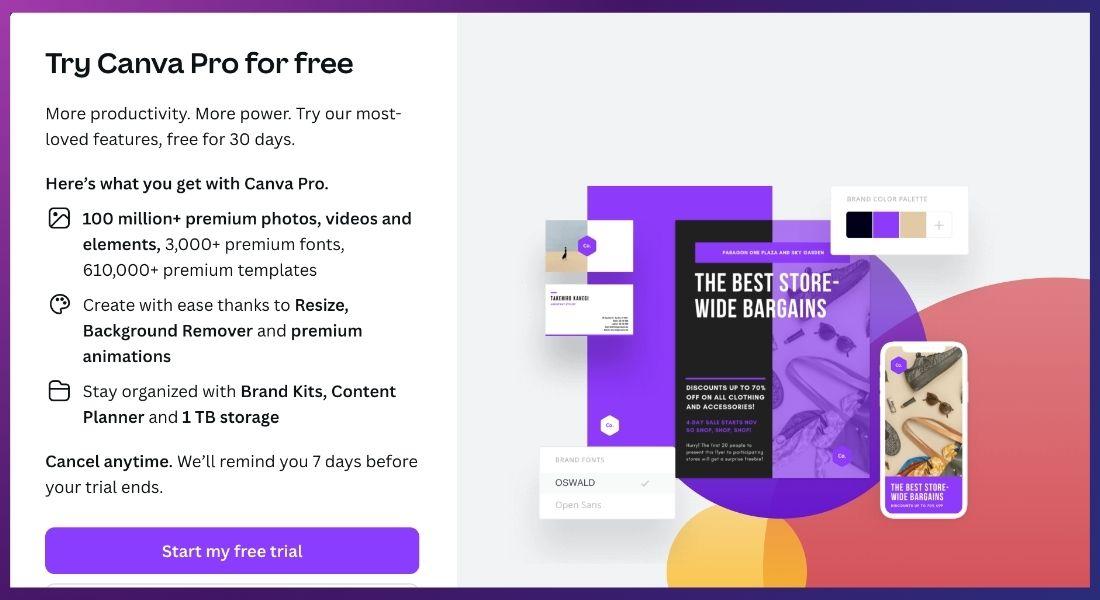
5. Canva
While Canva is primarily a design tool, it’s invaluable for creating visually appealing ad creatives that complement your copy.
- How to Use It: Design banners, social media posts, or display ads using Canvas drag-and-drop templates.
- Pro Tip: Use Canvas Brand Kit to ensure your designs consistently reflect your brand’s colors, fonts, and logo.
FAQs About Ad Copy Optimization
Q: How can I optimize ads specifically for mobile users?
A: Mobile users often skim content, so keep your copy concise and impactful. Use short, attention-grabbing headlines and CTAs like “Tap to Save 20%.” Ensure your landing page is user-friendly and loads rapidly on mobile devices.
Q: What is the ideal length for a Google text ad headline?
A: Google Ads allows up to 30 characters per headline, but shorter, impactful headlines (15–20 characters) often perform better. For example: “Shop Stylish Shoes – Save 30%.”
Q: How can I make an ad copy stand out in competitive industries?
A: Differentiate by:
- Addressing pain points competitors overlook.
- Using emotional triggers like curiosity or urgency.
- Highlighting unique selling points (e.g., “Sustainably Made” or “Free 24/7 Support”).
Q: How do I measure the success of my ad copy optimization efforts?
A: Track key performance metrics such as:
- CTR (Click-Through Rate): Measures ad engagement.
- Conversion Rate: Evaluates how many users completed the desired action.
- ROAS (Return on Ad Spend): Assesses the profitability of your campaign.
- Utilize real-time metrics analysis tools such as Google Analytics.
Q: Is there a way to automate ad copy optimization?
A: Yes, AI tools like Jasper can generate initial drafts, and Google Ads’ Smart Campaigns can automate performance-based ad optimization. However, human input is essential for creativity and nuanced messaging.
Q. Which analytics platforms can we use for ad copy optimization?
A: Google Analytics and Hotjar provide insights into user behavior and campaign performance.
Conclusion
Mastering ad copy and conversion rate optimization is essential for creating high-performing ad campaigns in 2024. You can craft campaigns that drive results by using AI tools, analyzing user behavior, and testing your ads with precision. Start optimizing your ad copy today to stay ahead of the competition!
Want to elevate your marketing skills further? Check out our guide on How to Master Website Design from Scratch to complement your ad strategies.
