



What is AI in Insurance?
Artificial intelligence (AI) is changing how the insurance industry works. It helps insurers predict problems before they happen, making processes faster and more efficient. AI tools also reduce human error and improve customer service. With all the data available today, AI technology is transforming how companies manage risks and handle claims.
Key AI Technologies Making Insurance Smarter
AI tools help insurance companies work better. Here are some of the main ones:
- Machine Learning: Finds patterns in data to predict outcomes and automate tasks.
- Natural Language Processing (NLP): Understands text and speech, making claims processing faster and improving customer support.
- Computer Vision: Looks at images to assess damages, like photos from accidents.
- Telematics: Tracks driving habits using sensors, helping insurers create fairer policies.
- Predictive Analytics: Analyzes data to spot risks and improve underwriting decisions.
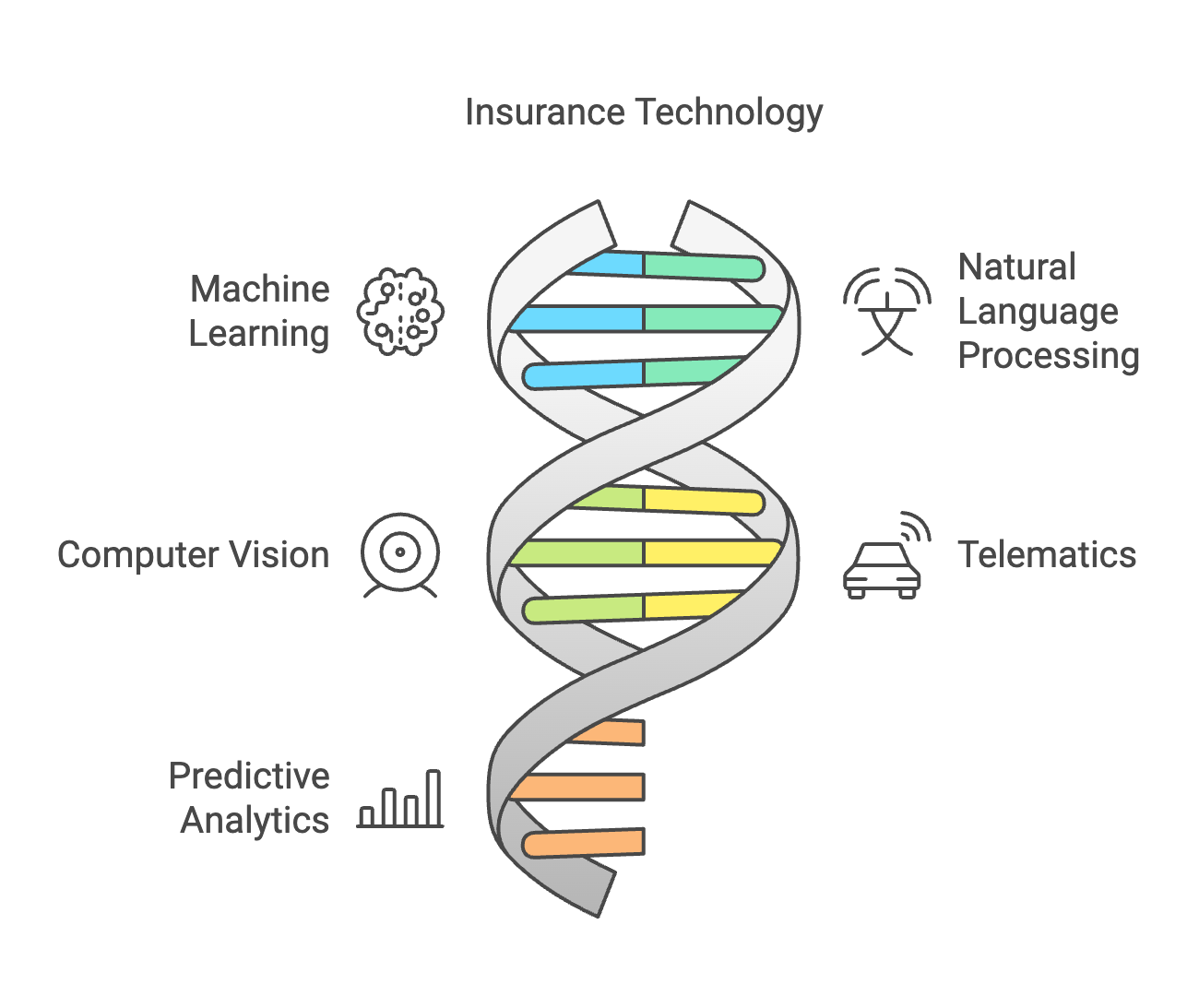
These tools help make the insurance industry faster, smarter, and more customer-friendly.
Top AI Tools Changing the Industry
AI solutions are making big improvements for insurers. Here are a few examples:
- Wisedocs: Simplifies health claims by summarizing medical records quickly and accurately.
- Shift Technology: Detects fraud by finding unusual patterns in claims.
- Lemonade AI: Uses chatbots to handle claims 24/7, giving customers fast and simple service.
- Cape Analytics: Uses data from satellite images to assess property risks.
- IBM Watson: Offers tools for claims, risk assessments, and customer insights.
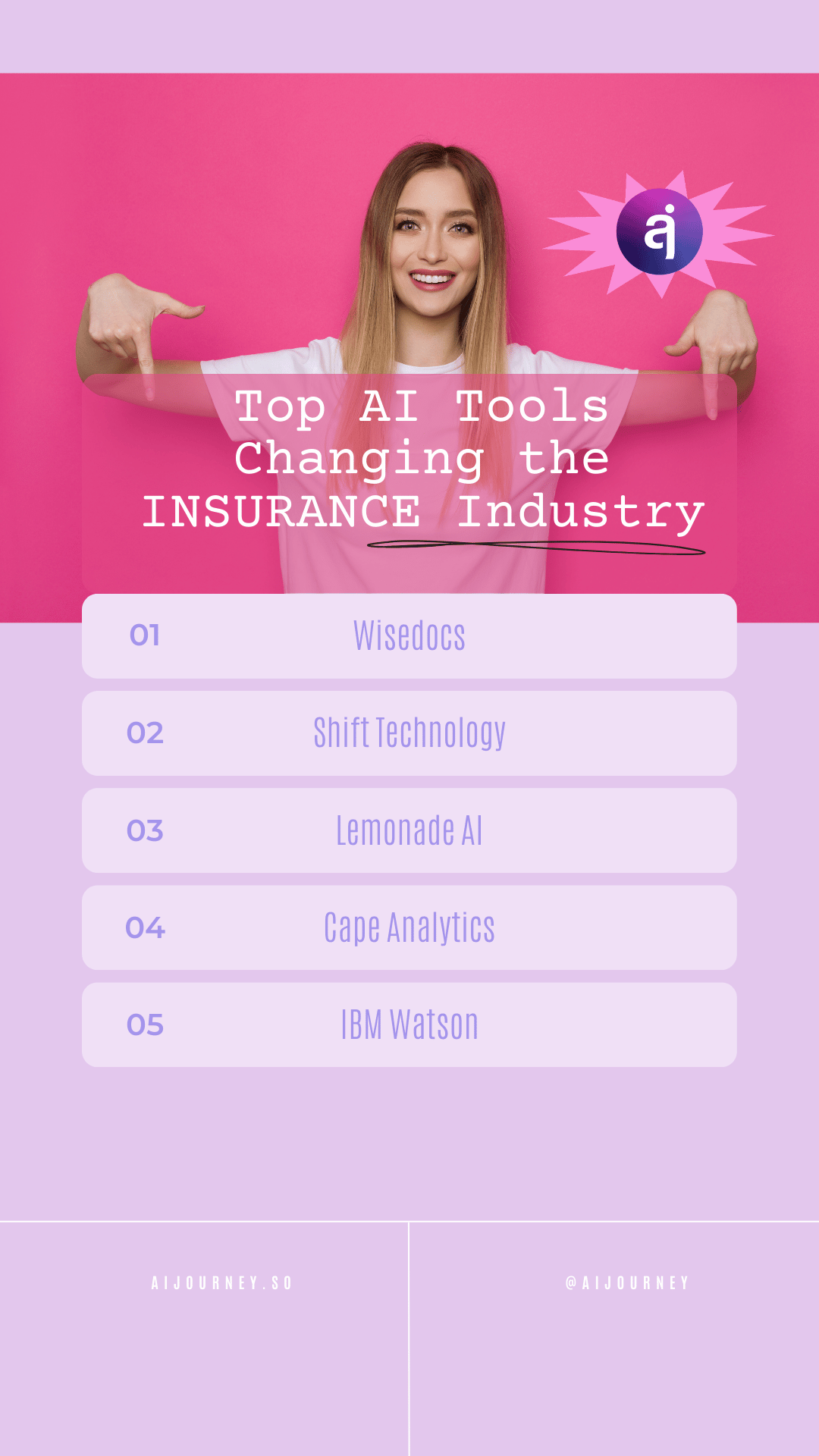
These tools save time and improve how insurers work, making things smoother for everyone.
How AI is Used in Different Types of Insurance
AI benefits all kinds of insurance. Here’s how:
1 - Health Insurance
AI tools like Wisedocs help insurers process medical data faster. This means customers get quick approvals and fair premiums, reducing delays and errors.
2 - Auto Insurance
AI analyzes driving data and vehicle types to decide risks. Telematics makes it possible to offer usage-based pricing. Fraud detection tools also catch suspicious claims, saving time and money.
3 - Life Insurance
AI speeds up the underwriting process, making it easier to calculate fair premiums. Virtual assistants, powered by AI, explain policy details and answer questions, giving customers a better experience.
How AI Helps with Everyday Tasks
AI tools make daily tasks simpler and faster for insurers.
Smarter Underwriting
AI improves underwriting by automating complex tasks. For example, Indigo uses AI to adjust prices for medical professionals based on their risks. This creates fairer and more accurate policies.
Faster Claims Processing
AI speeds up claims by automating document checks and spotting fraud. One company automated 70% of its claims review process, cutting down time and improving accuracy.
Virtual Assistants
AI-powered virtual assistants help customers instantly. They guide users through policy options and even send reminders about risks, improving the overall customer experience.
Challenges of Using AI in Insurance
AI has many benefits, but it’s not without challenges. Here are some issues insurers face:
Ethical Concerns
AI models can sometimes be biased, leading to unfair decisions. Companies must follow rules like the EU AI Act to ensure transparency and fairness.
Old Systems
Many insurers use outdated systems that don’t work well with AI tools. Upgrading these systems takes time and money but is necessary to use AI effectively.
Training Staff
Employees need to learn how to work with AI tools. Companies must invest in training to help their teams use this technology effectively.
Future of AI in Insurance
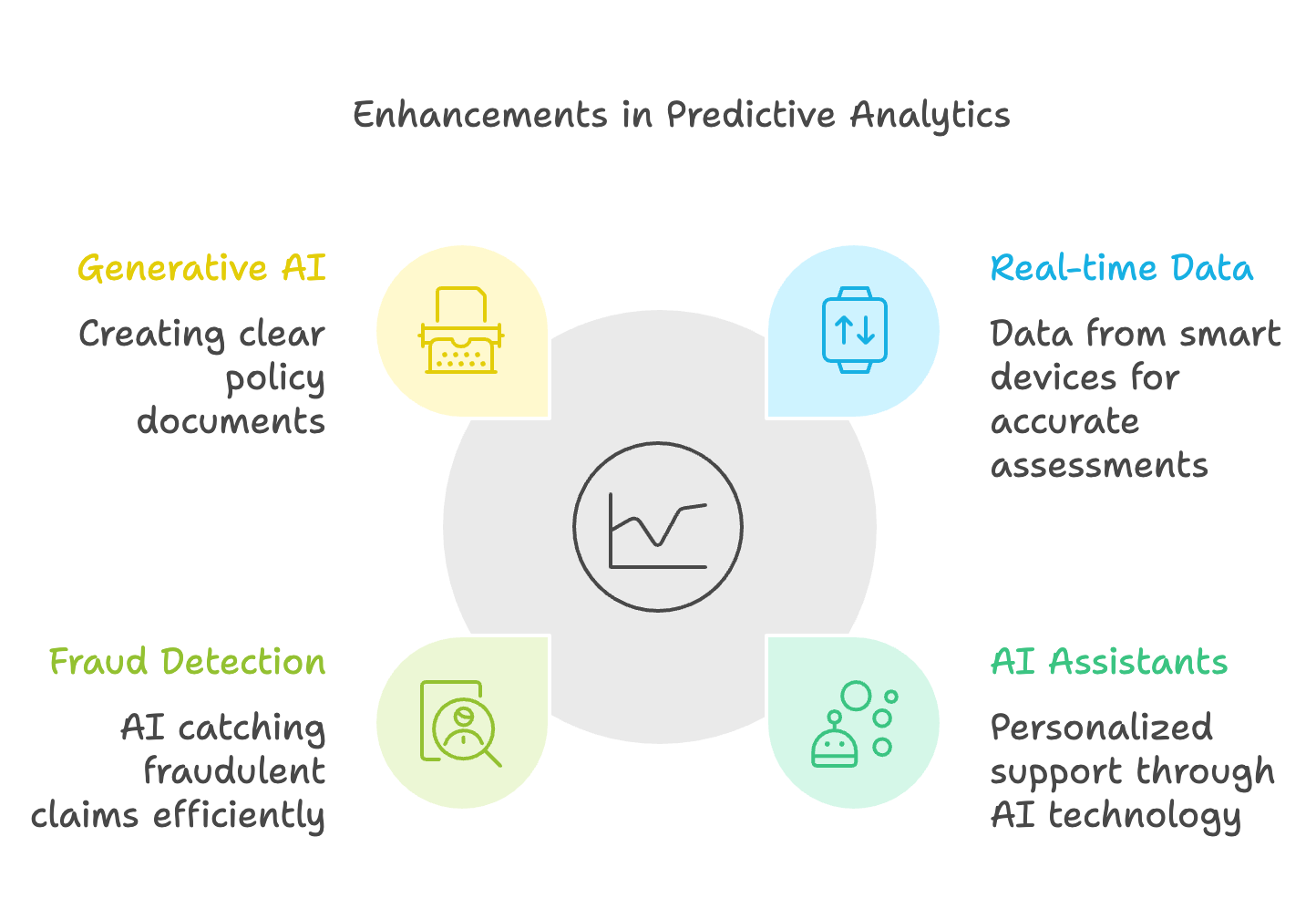
AI is set to bring big changes by 2030. Here’s what to expect:
- Better Risk Assessment: Real-time data from smart devices will make policies more accurate.
- Improved Customer Service: AI-powered assistants will offer personalized support.
- Advanced Fraud Detection: AI will catch fraudulent claims faster and more reliably.
- Simpler Policy Creation: Generative AI will create easy-to-read policy documents, improving clarity for customers.
These advancements will help insurers save time, reduce costs, and provide better service.
Conclusion
AI is reshaping the insurance industry. From faster claims to better fraud detection, it helps insurers save time and improve accuracy. While there are challenges, such as integrating new systems and training staff, companies that embrace AI will lead the industry. The future of AI insurance looks bright, with smarter tools and better customer experiences on the horizon.
