



Introduction
Imagine having the power to transform how businesses engage with their customers, all while building a side hustle that could pull in $2,000 to $10,000 a month. That’s what customer service automation with AI chatbots can do for you. In this blog, I’ll explain why this side hustle is worth your attention, how to get started, and the tools you’ll need to thrive.
What is Customer Service Automation?
Picture this: businesses handling thousands of customer service queries without breaking a sweat or hiring an army of agents. Thanks to AI chatbots, this vision is now a reality. Here’s what you need to know:
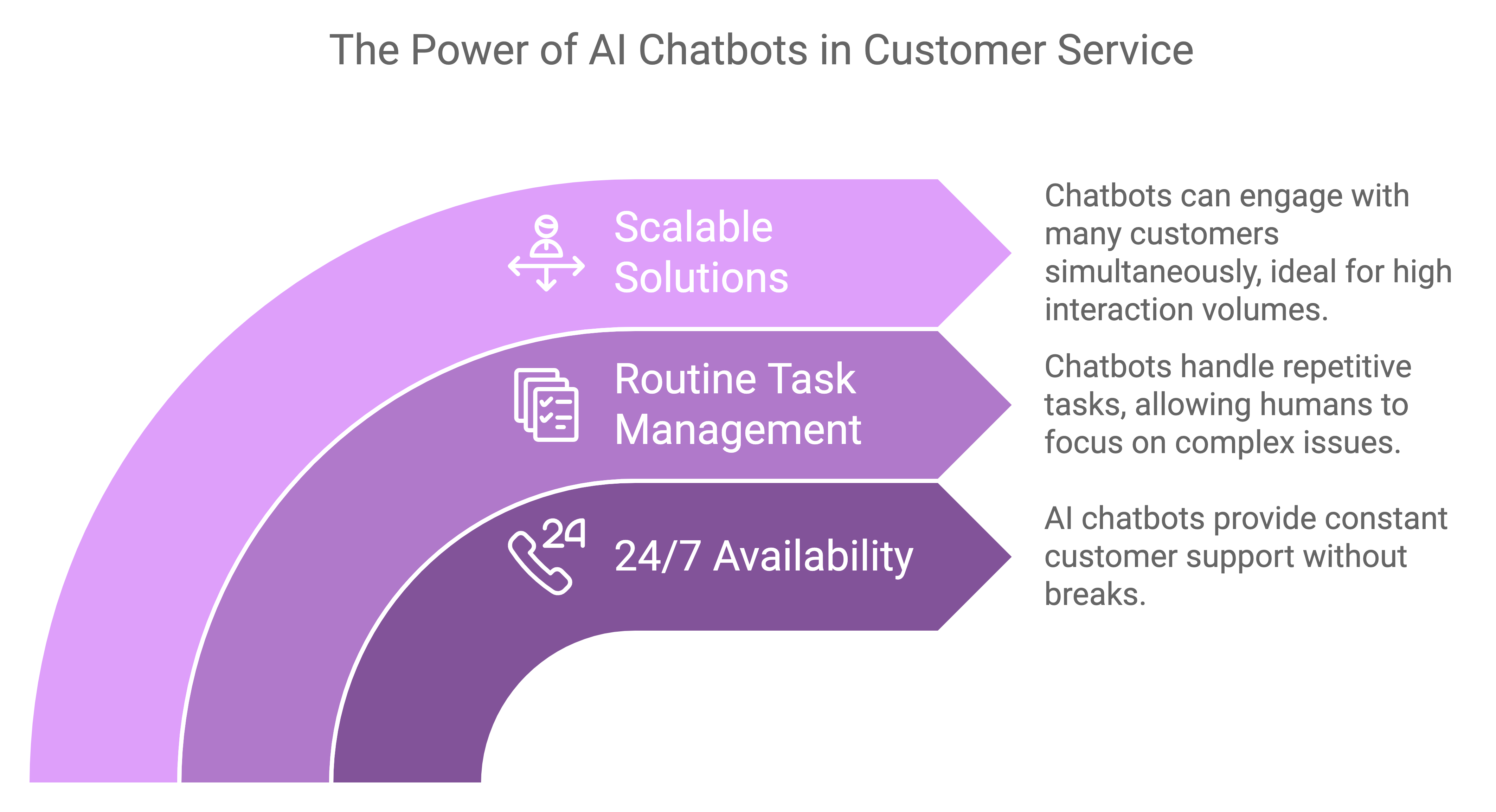
- 24/7 Availability: AI chatbots never take vacations. They provide instant responses day and night, improving customer satisfaction.
- Routine Task Management: From answering FAQs to scheduling appointments and processing returns, AI chatbots handle the repetitive tasks, freeing up human agents for more complex inquiries.
- Scalable Solutions: Chatbots can simultaneously engage with hundreds of customers, making them perfect for businesses with high volumes of interactions.
Fun Fact: According to Salesforce, 23% of customer service organizations currently use AI chatbots, and 31% plan to adopt them within the next 18 months. It’s prime time to get in on this trend!
Why This Side Hustle is a Game-Changer
Wide Market Demand
Every business wants to keep customers happy, but not all have the resources for a round-the-clock support team. That’s where AI chatbots come in:
- E-commerce Stores: Manage high volumes of customer queries, from product details to returns.
- SaaS Companies: Streamline onboarding, answer common questions, and reduce support tickets.
- Healthcare Providers: Automate appointment scheduling and respond to basic health inquiries, easing the load on staff.
- Hospitality Services: Enable seamless booking processes and answer customer queries instantly.
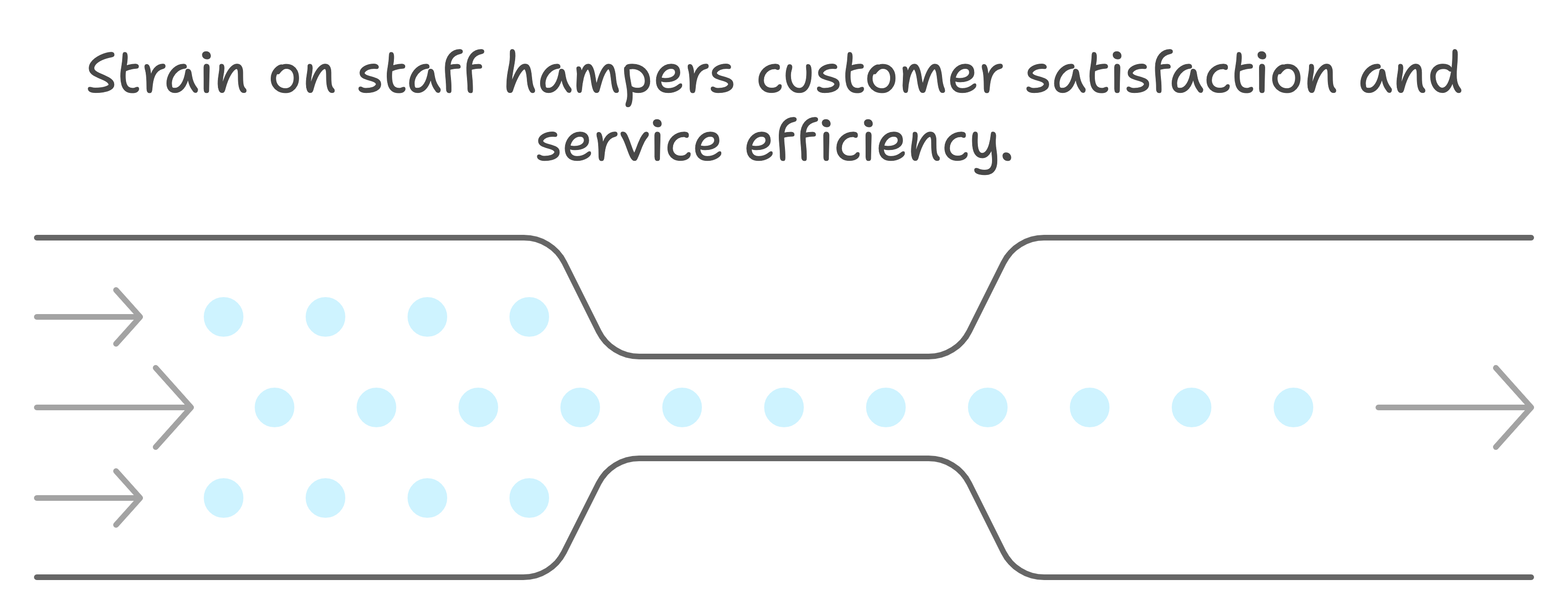
Case in Point: Imagine an online boutique inquiring about shipping and returns during the holiday rush. By implementing an AI chatbot, they can provide instant answers and keep customers satisfied without hiring extra seasonal staff.
Lucrative Earnings Potential
Start by offering basic chatbot setups and support for $2,000–$5,000 per project. As you gain expertise, add services like monthly maintenance, custom chatbot creation for specific industries, and training packages.
Pro Insight: Chatbot specialists who offer long-term maintenance and optimization often build a steady income stream and establish trust with clients.
How to Generate Leads for Your Side Hustle
1. LinkedIn Outreach
Position yourself as an expert by sharing tips and case studies about successful chatbot implementations. Connect with decision-makers and engage in conversations around customer service tech trends.
- Quick Tip: Use LinkedIn’s advanced search to find and pitch to businesses in industries that benefit most from automation.
2. Content Marketing
Build a blog or YouTube channel where you discuss the benefits of customer service automation, share success stories, and offer tips. This not only builds credibility but helps you get found by businesses looking for solutions.
3. Build Partnerships
Collaborate with tech consultants or digital marketing agencies to cross-refer clients. These partnerships can enable your reach and open doors to larger projects.
4. Offer Free Consultations
Entice potential clients by offering free 30-minute consultations where you show them how an AI chatbot can elevate their customer service. This positions you as an expert and can turn curious leads into paying clients.
CTA: Want to amplify your lead generation strategy? Learn how to build a successful newsletter with this guide: Build a Successful Newsletter in 2024.
How to Fulfill the Service
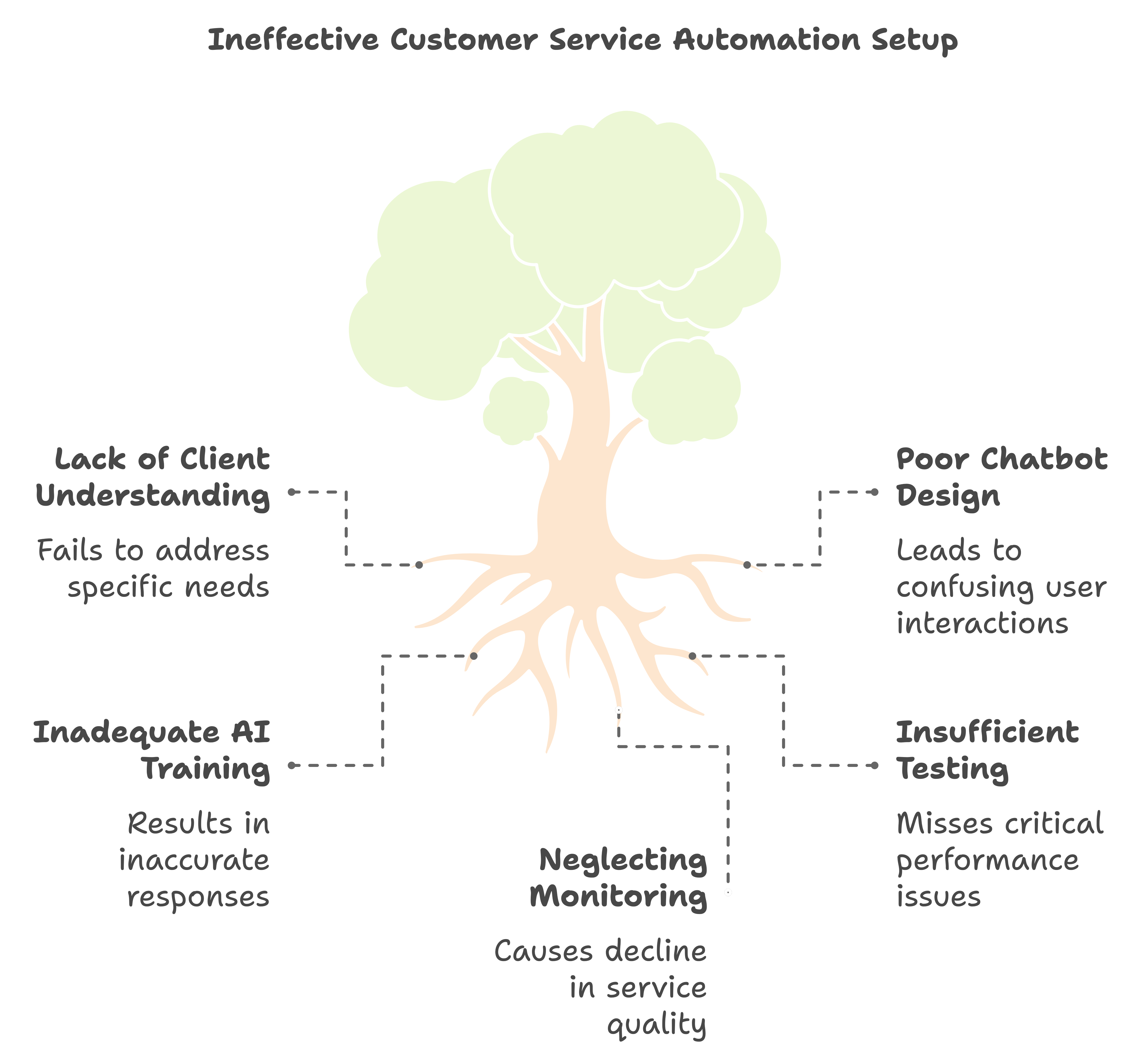
Successfully setting up customer service automation isn’t just about designing a chatbot and calling it a day. It’s about understanding your client’s needs, crafting seamless interactions, and fine-tuning performance until it’s right. Here’s how to deliver an exceptional service that’ll have clients singing your praises:
1. Understand the Client’s Needs: Lay the Foundation
The first step is a deep dive into your client’s business. Ask questions, review their current customer service workflow, and understand the common questions they handle. Your goal is to identify pain points and opportunities for automation.
- Kickstart Tip: Run a customer inquiry audit to pinpoint the top 10 questions or issues. This will inform your chatbot’s initial responses and set the stage for better customer interactions.
Pro Insight: The more tailored your understanding, the more value your chatbot will bring. Customize your chatbot’s tone and style to reflect the client’s brand voice—whether friendly, casual, formal, or professional.
2. Design the Chatbot: Map Out the Journey
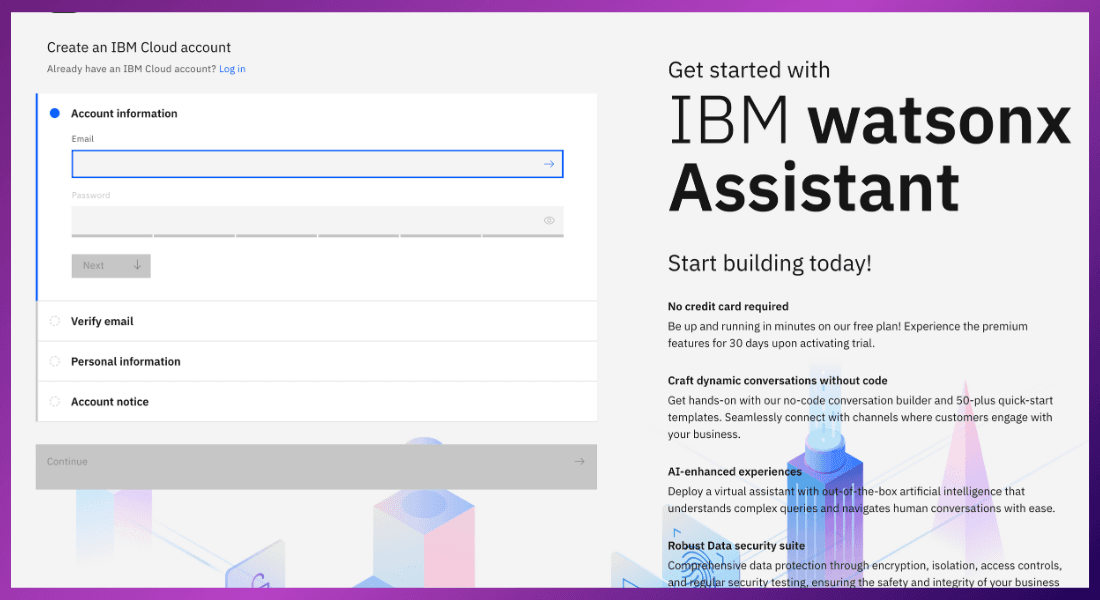
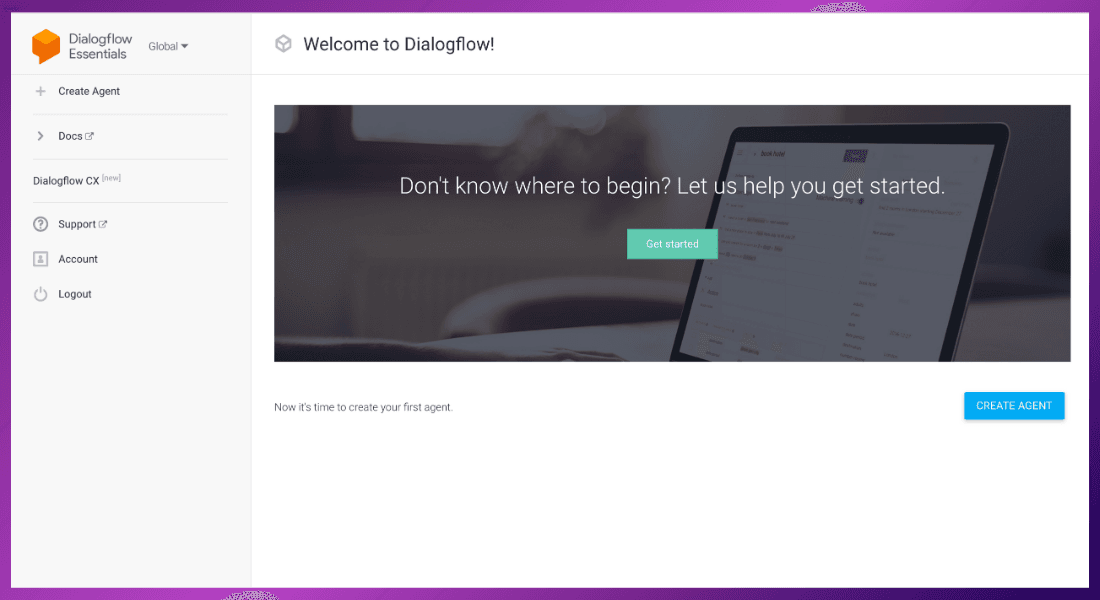
Use an AI chatbot platform like Dialogflow or IBM Watson Assistant to start building. This is where creativity meets strategy. Outline conversation paths that mimic natural, engaging dialogues and ensure the user’s journey is intuitive.
- Best Practice: Start with simple conversation flows and build up to more complex interactions as needed. Keep language clear and responses concise.
- Creative Edge: Add personalized touches like greetings using the customer’s name or responses acknowledging previous interactions.
Why It Matters: A well-designed bot provides answers and creates a seamless customer experience that feels personal and attentive.
3. Train the AI: Teach, Test, and Tweak
Now comes the part where your chatbot learns to shine. Feed it historical data, such as past chat logs or frequently asked questions, to help it respond accurately and confidently.
- Smart Tip: Regularly update the chatbot with new data and user feedback to ensure it’s learning and improving.
- Hands-On Example: Set up test conversations where you act as the user and check for flow, coherence, and problem-solving ability. Don’t just rely on one round of testing—run it multiple times with varied scenarios.
Critical Insight: The more training and testing your chatbot undergoes, the brighter and more reliable it becomes. This phase turns a basic bot into a customer service pro.
4. Test and Refine: Perfection is in the Details
Before launch, it’s time to put your chatbot through its paces. Test it for clarity, response time, and accuracy. Get team members or a slight focus group to interact with the chatbot and provide feedback.
- Feedback Loop: Collect input on where the bot excels and where it falls short. Use this data to make improvements.
- Fine-Tuning Tip: Consider how the bot handles ambiguous or multi-part questions. This is where many chatbots falter, so ensure yours can respond effectively or escalate to a human agent when necessary.
Pro Insight: A well-tested chatbot builds trust with users. The more confident the responses, the more professional the brand appears.
5. Go Live and Monitor: The Grand Reveal
With testing complete, it’s time for the big launch. But don’t think your work is done! Monitor the chatbot’s interactions regularly to catch any hiccups and optimize performance.
- Real-Time Metrics: Track user satisfaction rates, drop-off points, and common user feedback. This will help you fine-tune the chatbot and keep it in peak condition.
- Continuous Updates: Keep improving the chatbot based on user behavior and evolving business needs. Regular maintenance ensures that the bot stays relevant and provides stellar service.
Why Monitoring Matters: A chatbot that adapts and improves over time shows your clients that they made a wise investment and keeps them coming back for future updates or projects.
Pro Tip: Always have a fallback option. If the bot encounters an issue it can’t solve, ensure it smoothly escalates the conversation to a human agent, preserving the customer experience.
Delivering high-quality customer service automation isn’t a one-and-done task; it’s an ongoing learning, improvement, and adaptation process. By following these steps, you’ll set up successful chatbot services and establish yourself as a top-tier service provider in this booming industry.
Want to up your skills and revenue? Discover how to make money with professional resume writing in this guide: Make Money with Professional Resume Writing.
Top AI Tools to Power Your Customer Service Automation
You need tools with proven success in real-world applications to build effective customer service automation solutions. Here’s a lineup of top AI tools, each with verified case studies showing how companies have used them to streamline customer interactions and improve efficiency:
1. Dialogflow: The Conversational Maestro
Dialogflow, a Google-powered platform, is known for its advanced natural language understanding. It helps create chatbots that can interpret and respond accurately to customer queries, making interactions feel more human.
Real-World Case Study: T-Mobile uses Dialogflow to power its customer support chatbot, which assists customers with questions about billing, service issues, and general inquiries. By implementing Dialogflow, T-Mobile has offered 24/7 automated support, reducing the workload on live agents and enhancing response times for common inquiries. This has led to greater customer satisfaction and operational efficiency. Learn more about Dialogflow in use here.
Why You’ll Love It: Dialogflow’s advanced NLP capabilities make it ideal for building bots that handle complex conversations across various platforms, ensuring a smooth customer experience.
2. IBM Watson Assistant: The Brainiac Bot Builder
IBM Watson Assistant is renowned for its excellent AI and machine learning capabilities, making it a favorite for companies requiring robust, adaptable customer service solutions.
- Real-World Case Study: The Royal Bank of Scotland (RBS) implemented Watson Assistant to create “Cora,” a virtual assistant that supports customers with banking queries and troubleshooting. Cora handles thousands of interactions daily, providing instant support for routine inquiries and directing customers to human agents for complex issues. This action has led to increased customer satisfaction and reduced waiting times. Learn more about Cora here.
Why You’ll Love It: Watson Assistant continuously learns from interactions, making it a fantastic tool for businesses looking to provide a high-quality, evolving customer service experience.
3. Botpress: The Open-Source Ace
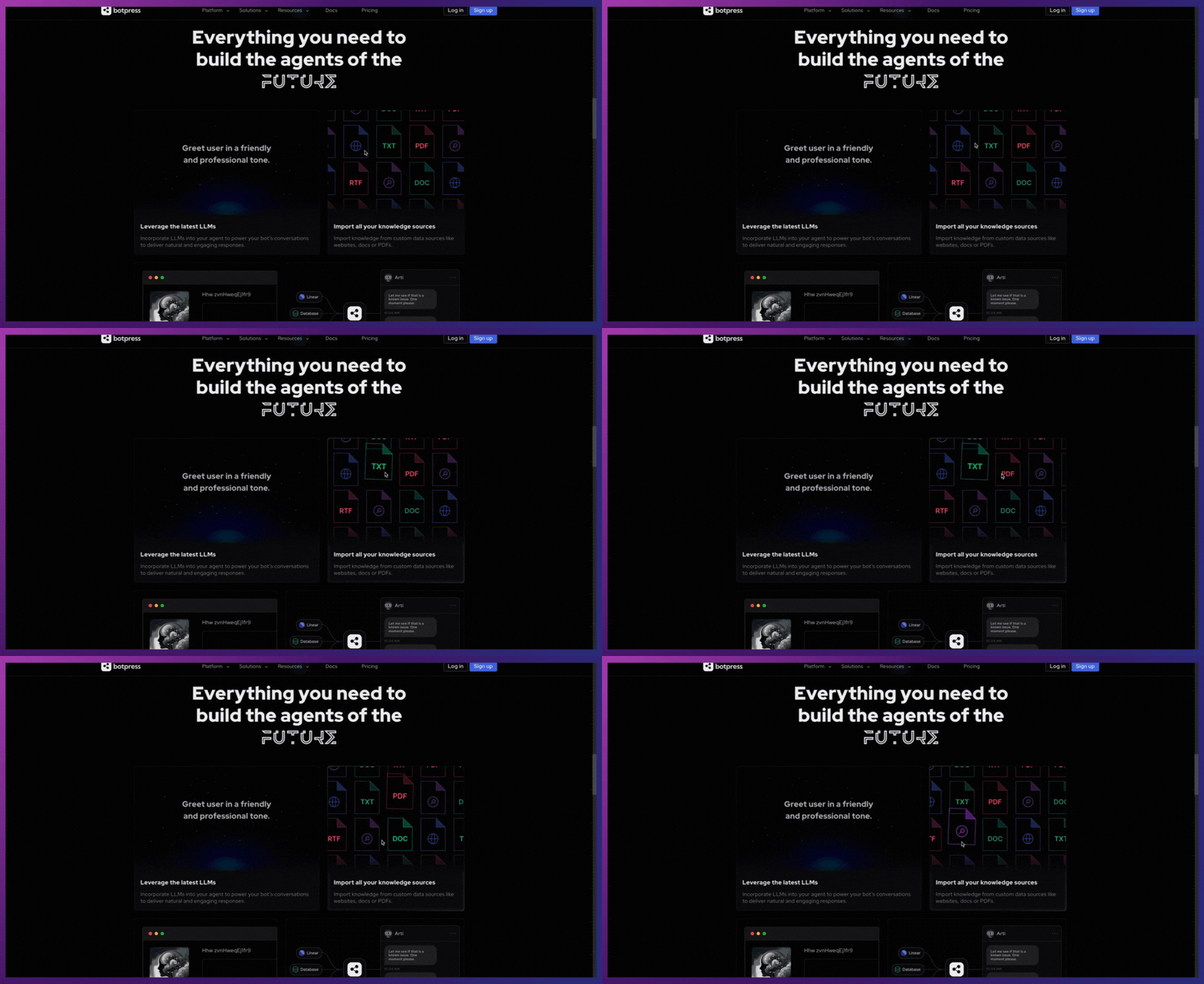
Botpress is an open-source platform that gives developers extensive control over chatbot customization. It’s perfect for businesses wanting a fully tailored bot that aligns with specific customer service needs.
- Real-World Case Study: Zurich Insurance used Botpress to build a chatbot that helps policyholders navigate insurance options and submit claims. By automating these routine tasks, Zurich has seen a reduced call center volume and improved user satisfaction. Read more about Botpress solutions here.
Why You’ll Love It: Botpress offers complete customization, allowing you to create chatbots that handle unique workflows and requirements—ideal for businesses with specialized customer service needs.
4. Tars: The Lead Gen Champion
Tars specializes in building chatbots that focus on lead generation and customer acquisition. It’s an excellent tool for companies looking to drive conversions through conversational engagement.
- Real-World Case Study: Pearson Education used Tars to engage prospective students on their website. The Tars chatbot helped increase conversion rates and improve the overall user experience by answering questions about courses, admissions, and enrollment in real-time. Explore Pearson’s use of Tars here.
Why You’ll Love It: Tars simplifies the creation of lead-generating chatbots, making it easy for businesses to capture valuable customer information and engage visitors from the moment they land on the website.
5. Microsoft Bot Framework: The Enterprise Powerhouse
Microsoft Bot Framework is designed for enterprise-level applications, with capabilities that support high volumes and multi-channel deployments across platforms like Microsoft Teams, Skype, and web chat.
- Real-World Case Study: UPS uses Microsoft Bot Framework to power its virtual assistant, which helps customers track packages, locate drop-off points, and get quick answers to shipping questions. UPS has improved its response speed and customer satisfaction rates by automating these interactions. Learn more about Microsoft Bot Framework applications here.
Why You’ll Love It: Microsoft Bot Framework is perfect for large companies that need intelligent, scalable bots capable of handling complex customer service needs across multiple platforms.
Conclusion
Customer service automation isn’t just a futuristic idea; it’s here and changing how businesses engage with customers. By mastering this side hustle, you can tap into a growing market, help companies thrive, and build a highly profitable income stream. Start today and become the go-to expert who keeps businesses running smoothly 24/7.
Ready to explore more high-income side hustles? Check out how to turn eBook writing into a 6-figure side hustle for your next step.
