


Science fiction films have long foreseen the day AI will rule every industry. These days, it's a reality, particularly in education.
The education industry is Among the businesses that are using AI more and more. Studying with ChatGPT is preferred by 90% of students over tutoring. According to EdWeek, over 50% of teachers utilize AI to design their lessons, so they're not alone.
Which are the most excellent tools to utilize, though?
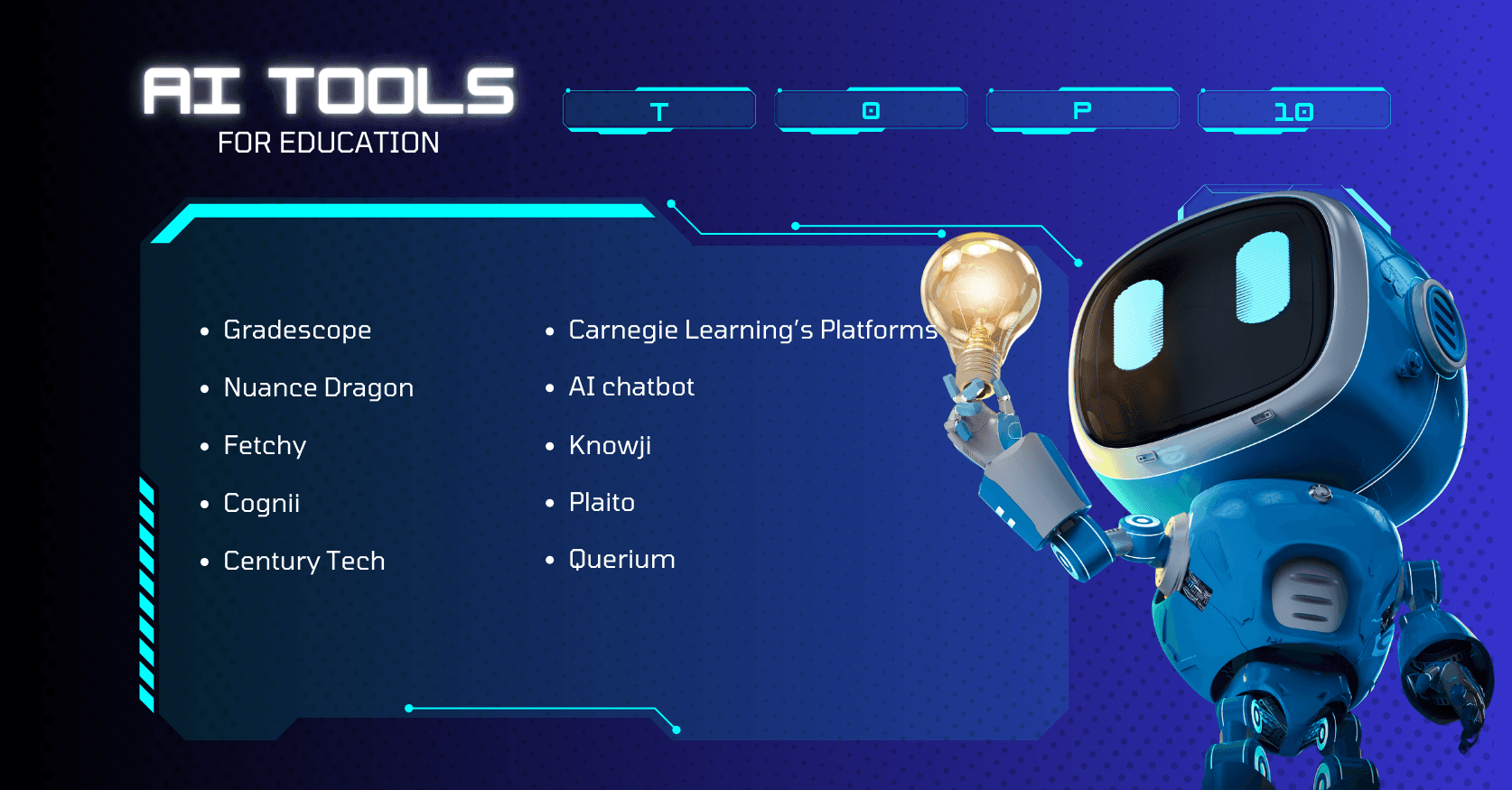
The top ten AI tools for education in 2024 are listed below to assist you in making the best decision and smoothly transforming teaching and learning approaches. Now, let's get started!
1. Gradescope
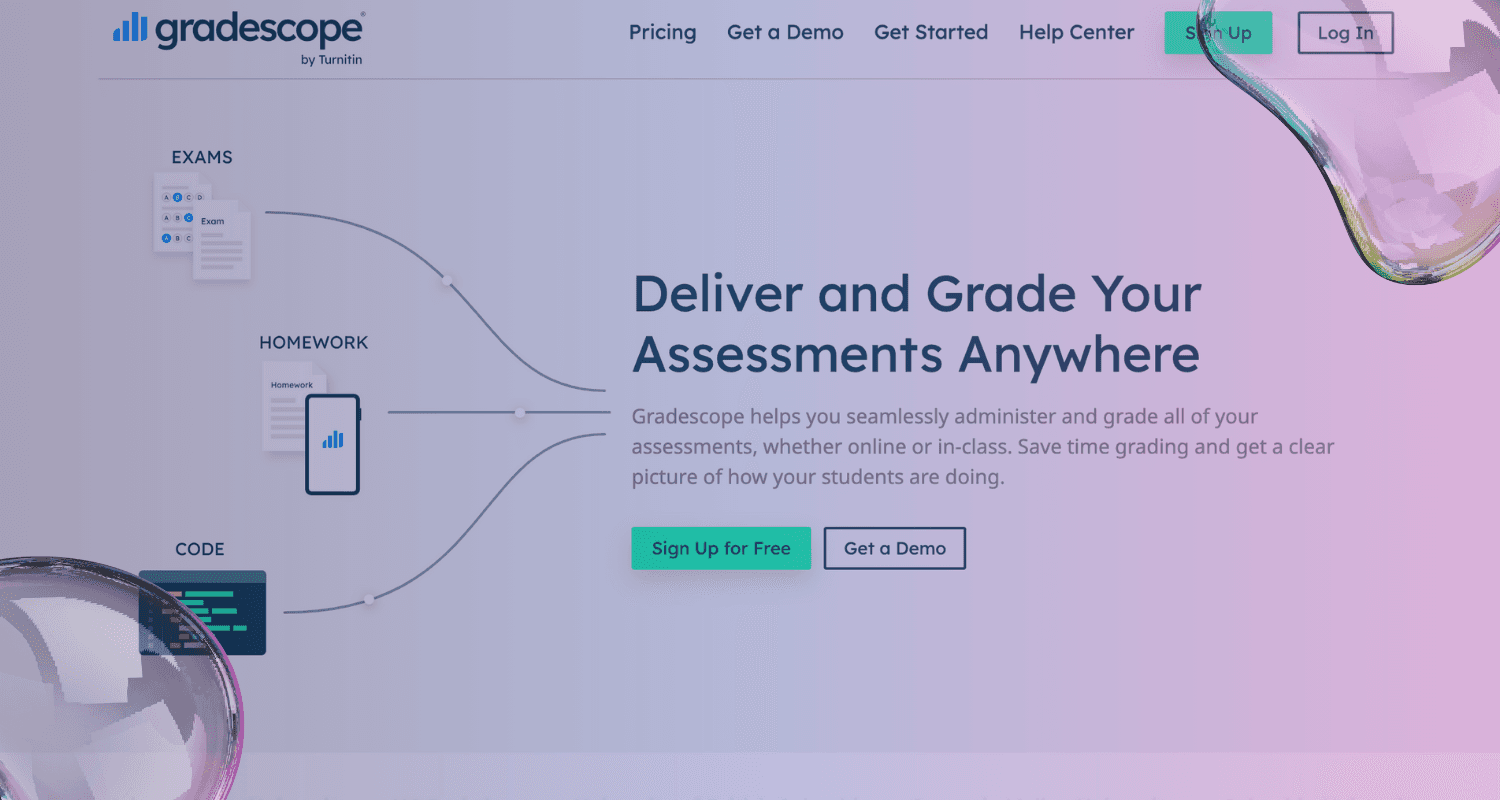
Without AI technology, it would take a lot of time for students to evaluate and provide feedback to one another, but with the Gradescope AI tool, this is possible. Gradescope uses AI and machine learning (ML) to streamline grading and save time and effort.
Teachers can concentrate on the more crucial assignments by contracting out these. Teachers can use Gradescope to plan projects in one location, mark paper examinations, and assign assignments online.
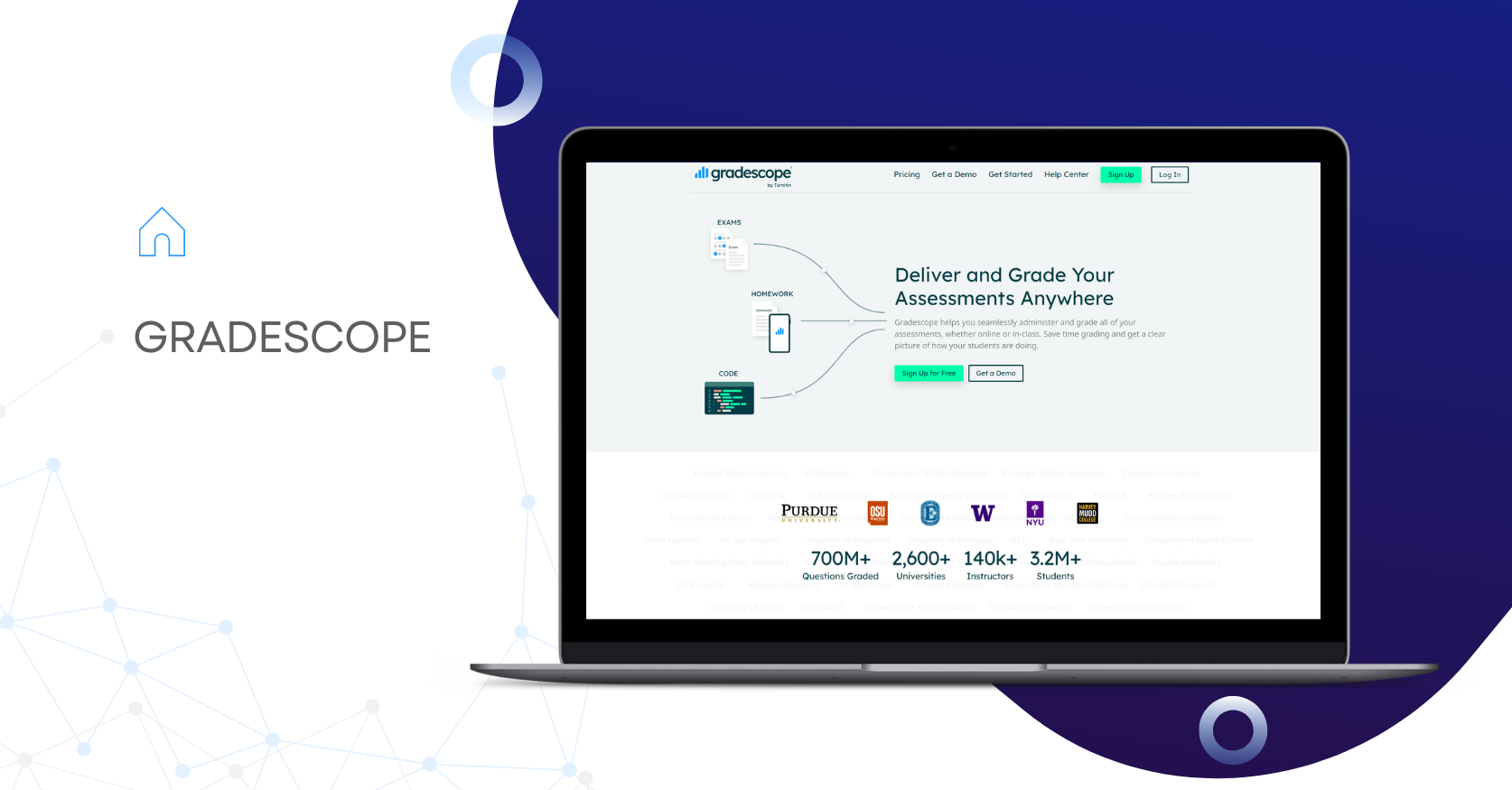
Here are a few of Gradescope's primary features:
- Manual and AI-assisted question grouping
- Time extensions tailored to individual students
- Enhanced effectiveness and impartiality
- AI-supported grading
2. Fetchy
Fetchy is a platform driven by generative AI and created especially for teachers. It lets teachers reach their most significant potential in the classroom. They want to achieve this by making the many jobs educators have to perform—like coming up with exciting lesson ideas, producing newsletters, writing polished emails, and more—more straightforward and efficient. Fetchy gives teachers the tools to improve their lesson plans, manage their time more effectively, and make wise decisions using artificial intelligence.
Fetchy is an expert in tailoring generated language to educators' needs. Fetchy is an excellent tool for educators since it eliminates the need to provide intricate prompts. Teachers utilizing Fetchy's custom-built solutions can anticipate relevant outputs catered to their unique educational needs.
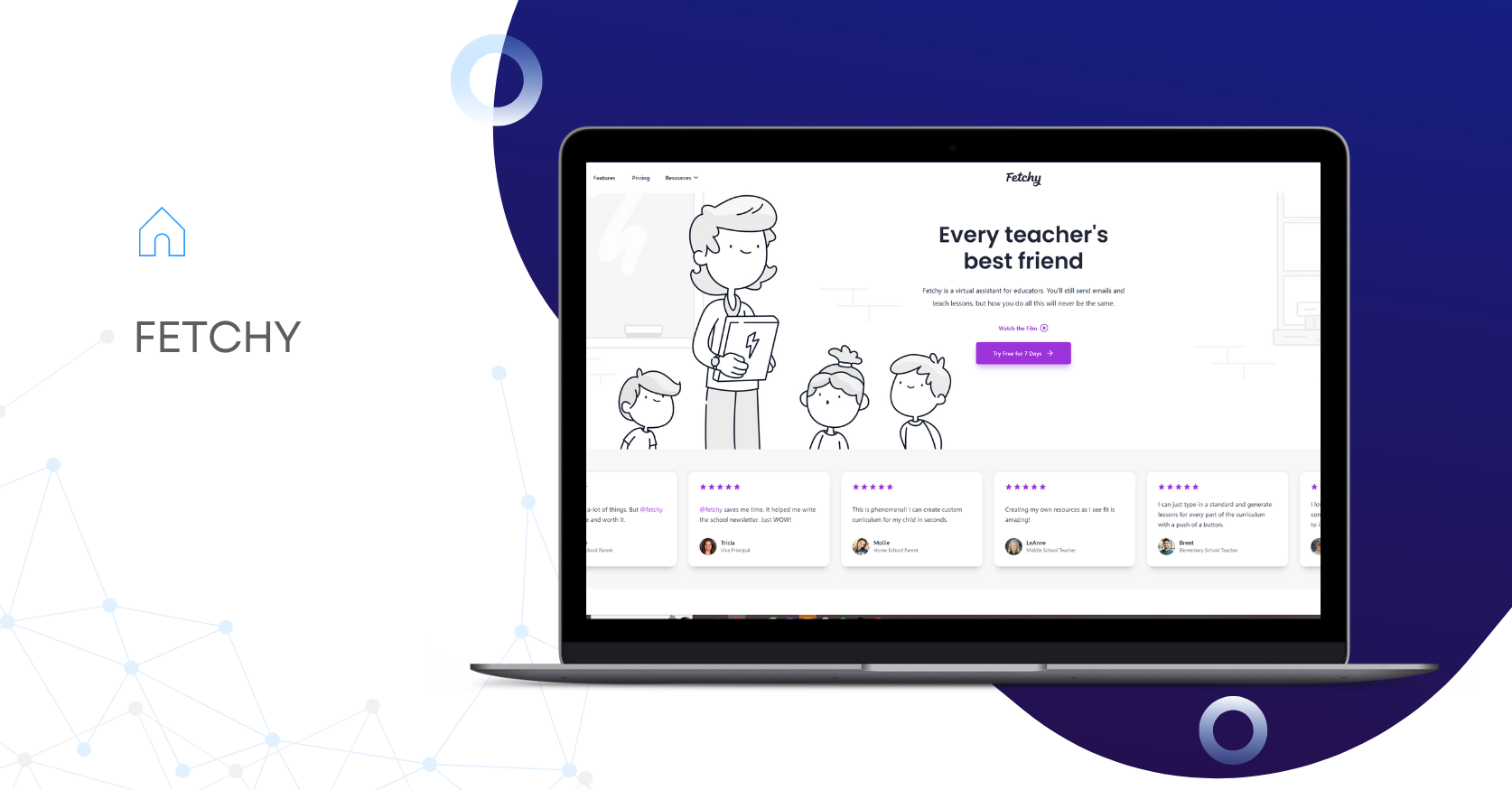
Here are a few of Fetchy 's primary features:
- Make instructional plans
- View the past from a variety of perspectives
- Look for science or math experiments
3. Nuance’s Dragon Speech Recognition
Enhancing students' experiences with Nuance Dragon voice recognition software
Faculty and students can use Nuance's speech recognition software based in Burlington, Massachusetts. The company's Dragon Speech Recognition tool can transcribe up to 160 words per minute for pupils who struggle with writing or typing. Importantly, for students with accessibility needs, the program also allows voice commands to navigate papers.
Many more functions are available with Dragon, such as the ability to transcribe reading lists, syllabi, worksheets, lesson plans, and more at a speed three times faster than typing. It accomplishes this with 99% accuracy.
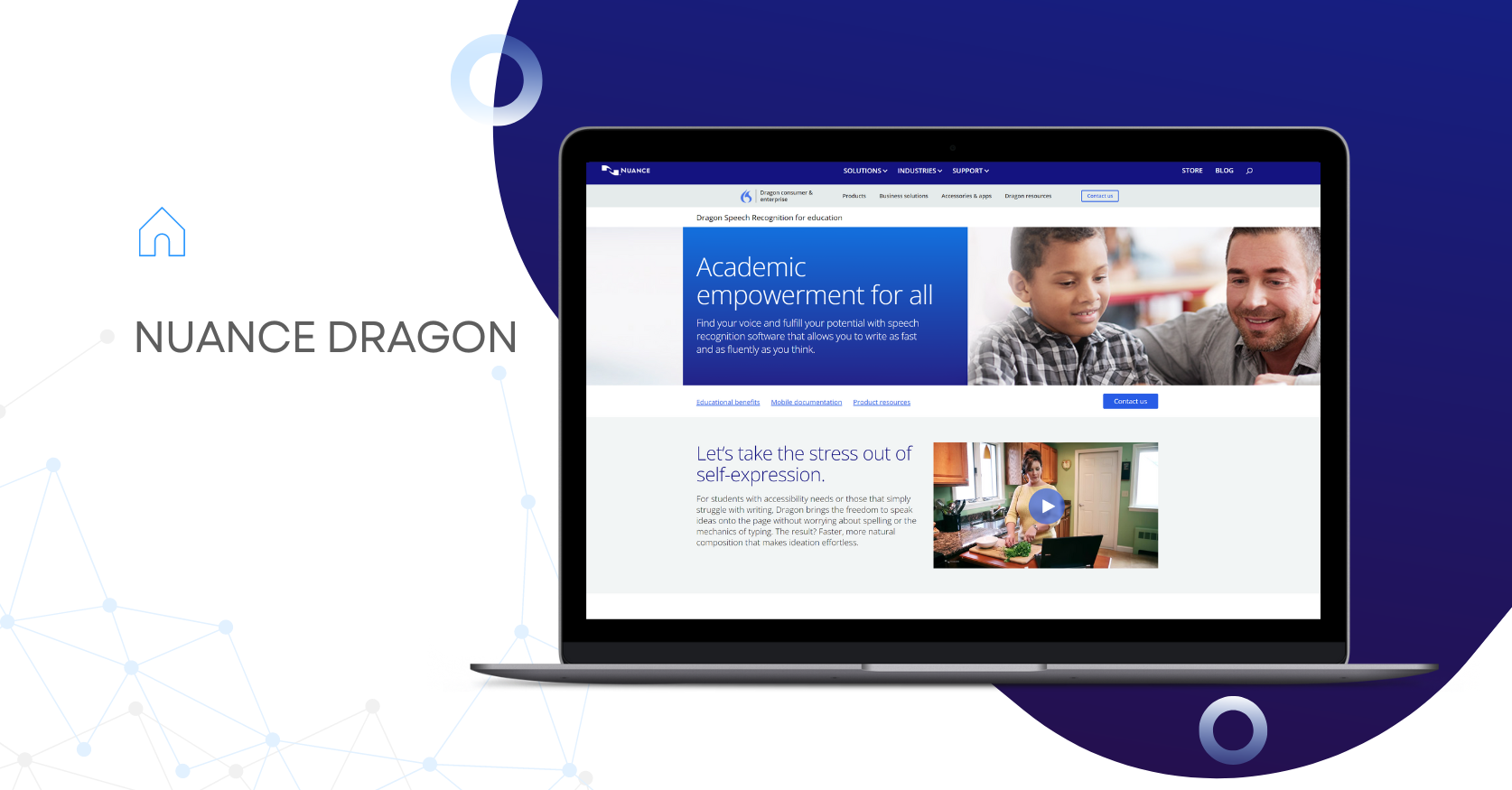
The following are some of Nuance's Dragon's primary attributes:
- Accessibility elements that facilitate spoken instructions
- Speak up to evaluate student work
- Handle class assignments with 99% accuracy.
4. Cognii
Cognii: AI in Education through EdTech Innovation
Another Boston-based business that creates AI-based products for K -12 and university settings is called Cognii. Additionally, corporate training environments make use of it.
The virtual learning assistant from Cognii, which uses conversational technology to assist students in creating open-format responses and enhancing their critical thinking abilities, is one of the company's primary AI tools. In addition, the virtual assistant offers personalized real-time feedback and one-on-one teaching for every student.
Here are a few of Cognii's primary features:
- Aids pupils in creating candid answers
- Offers individual tutoring
- Customized in an adaptive way for every learner
5. Century Tech
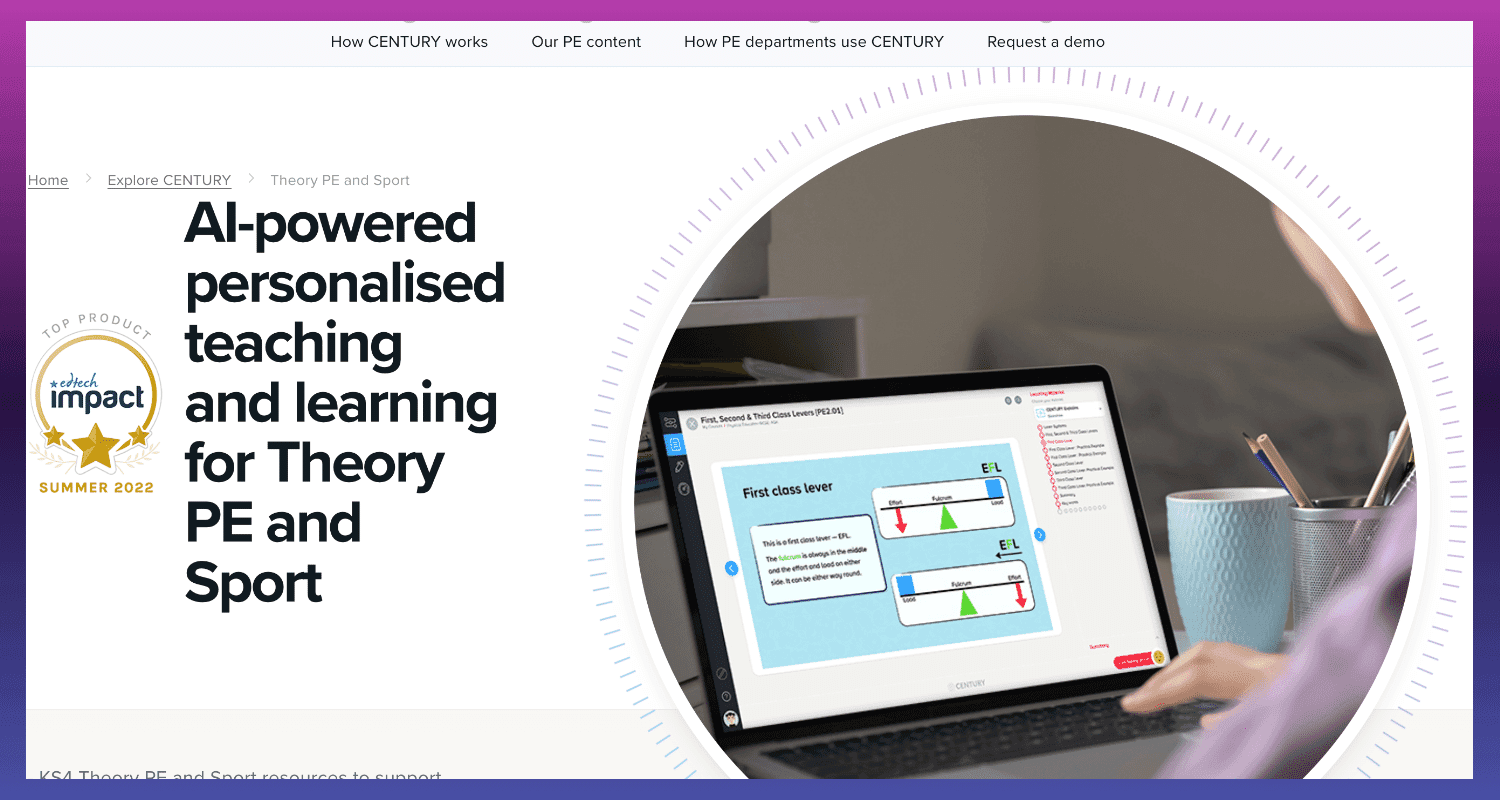
The London-based business Century Tech provides an AI platform that uses data analytics and cognitive neuroscience to build student-specific learning programs. As a result, instructors need more work to do and can concentrate on other things thanks to these customized plans.
Along with tracking student development, the AI software identifies areas of knowledge that still need improvement. After that, it gives each user feedback and recommendations for their specific studies. Teachers can access new materials through Century that cut down on time spent on tedious duties like planning and grading.
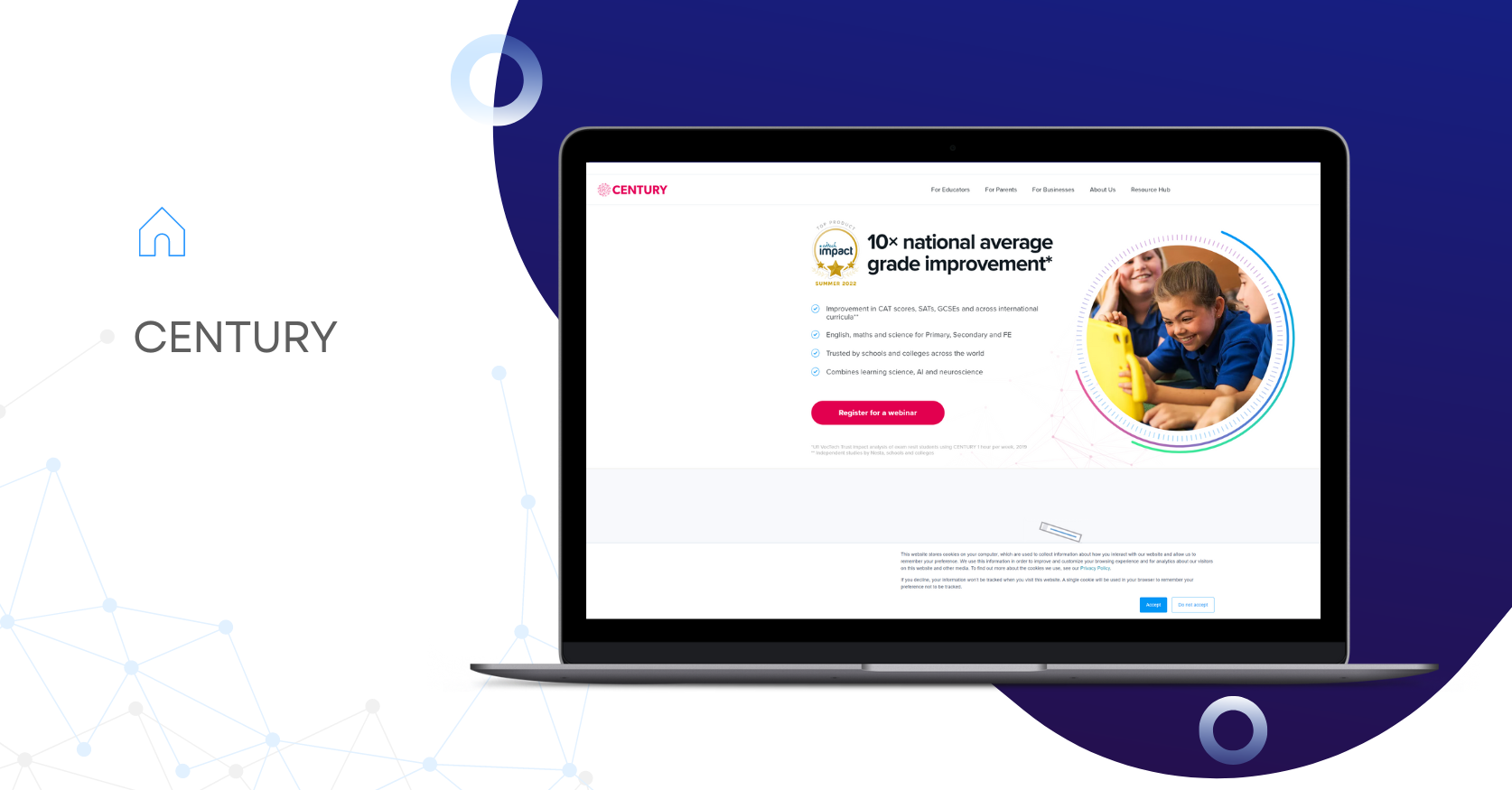
The following are some of Century's key characteristics:
- increases student interest and hastens learning
- lessens the workload for educators
- Practical data insights
6. Carnegie Learning’s Platforms
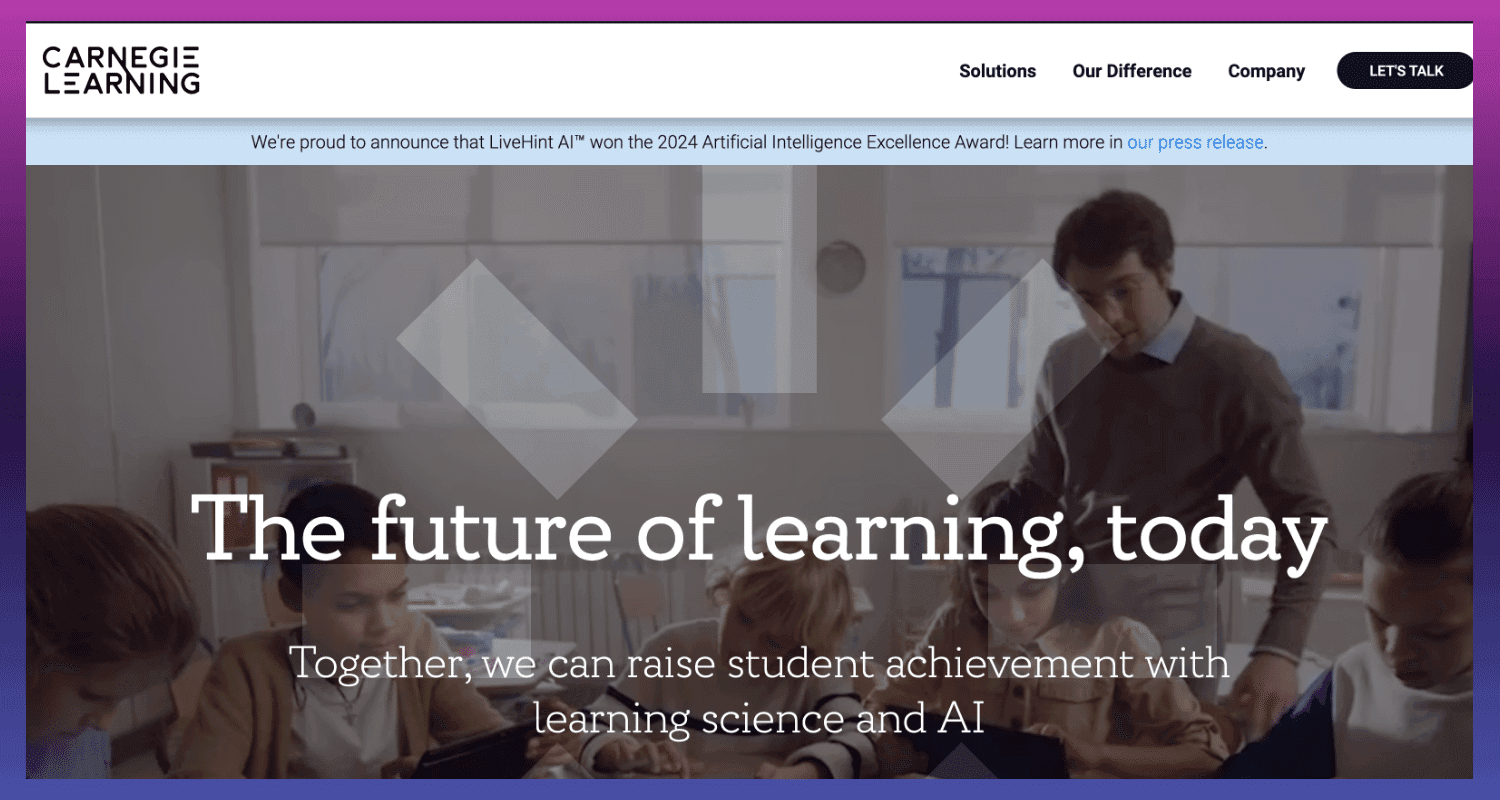
AI and machine learning are used by Carnegie Learning, a cutting-edge provider of curricular solutions and educational technology, in its learning platforms for college and high school students. These platforms provide many original solutions in global languages, arithmetic, and literacy.
The supplier has earned numerous accolades for education, including the Tech Edvocate Awards' "Best Artificial Intelligence/Machine Learning App." Carnegie Mellon University researchers built the MATHia program, one of its offerings. Additionally, it provides kids with Fast ForWord, a reading and language program that enhances cognitive abilities.
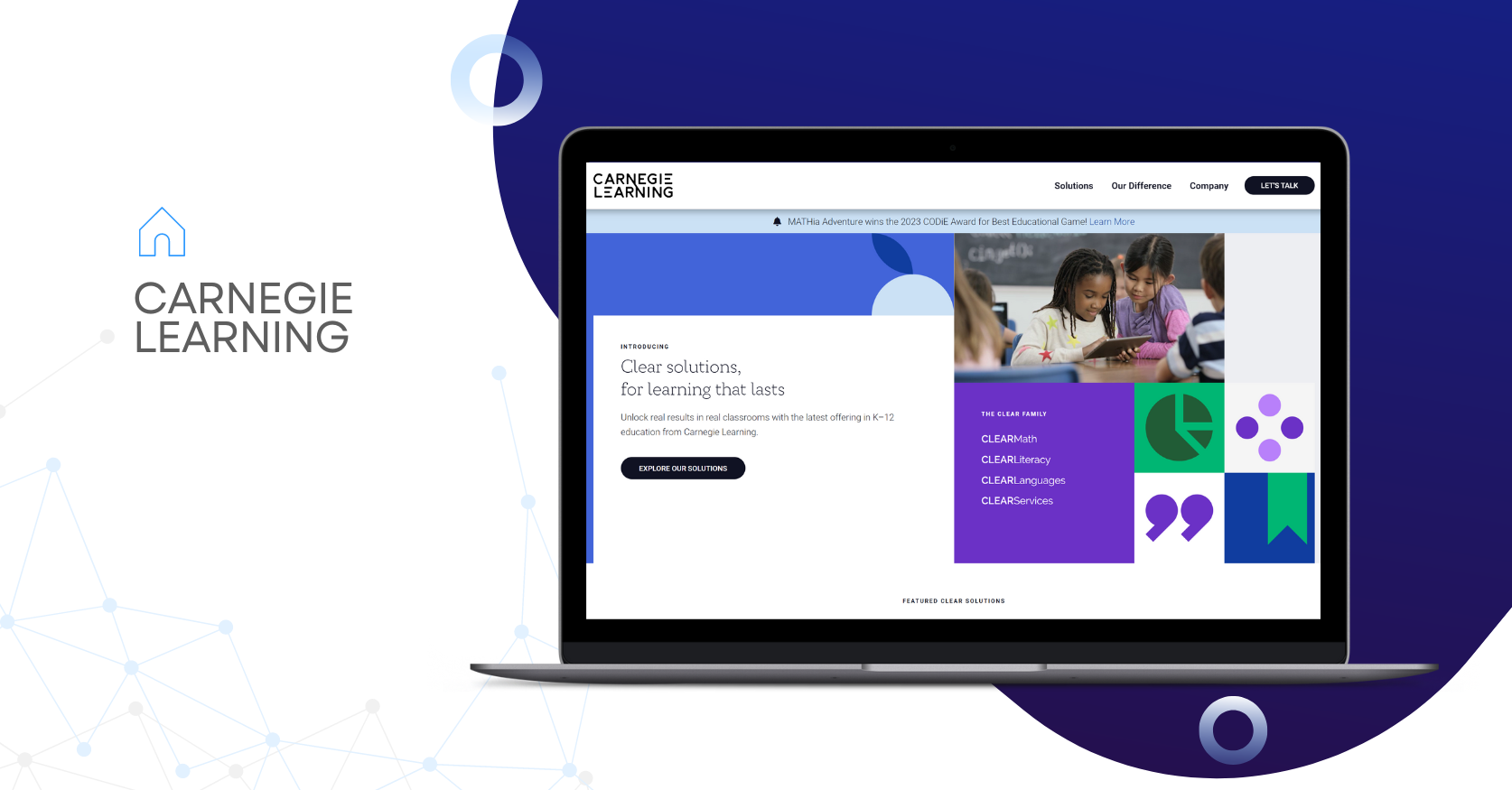
The following are a few of Carnegie Learning's Platforms' primary features:
- Imitates personal tutors
- Individualised instruction tailored to each learner
- Useful information for managing students
7. Ivy Chatbot
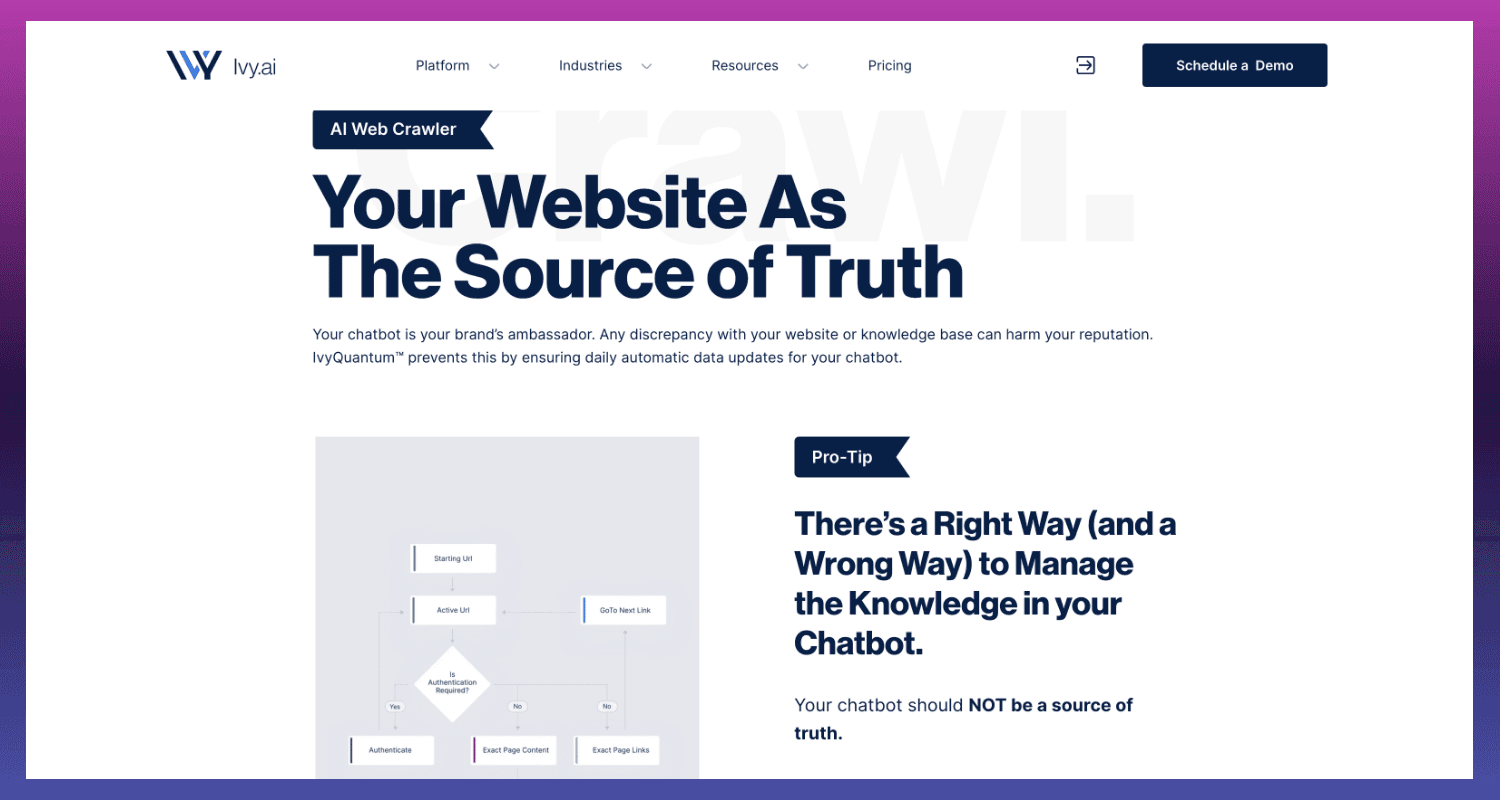
Ivy is a collection of AI chatbot technologies created especially for schools and universities. They support numerous aspects of the university process, including enrollment, application paperwork, tuition, deadlines, and more. Another distinctive characteristic is Ivy's capability to organize recruitment campaigns using obtained data.
Students can receive much-needed information from the AI tool, including crucial details on loans, grants, scholarships, tuition costs, etc. It can be used in departments of all kinds to create chatbots specifically tailored to each one.
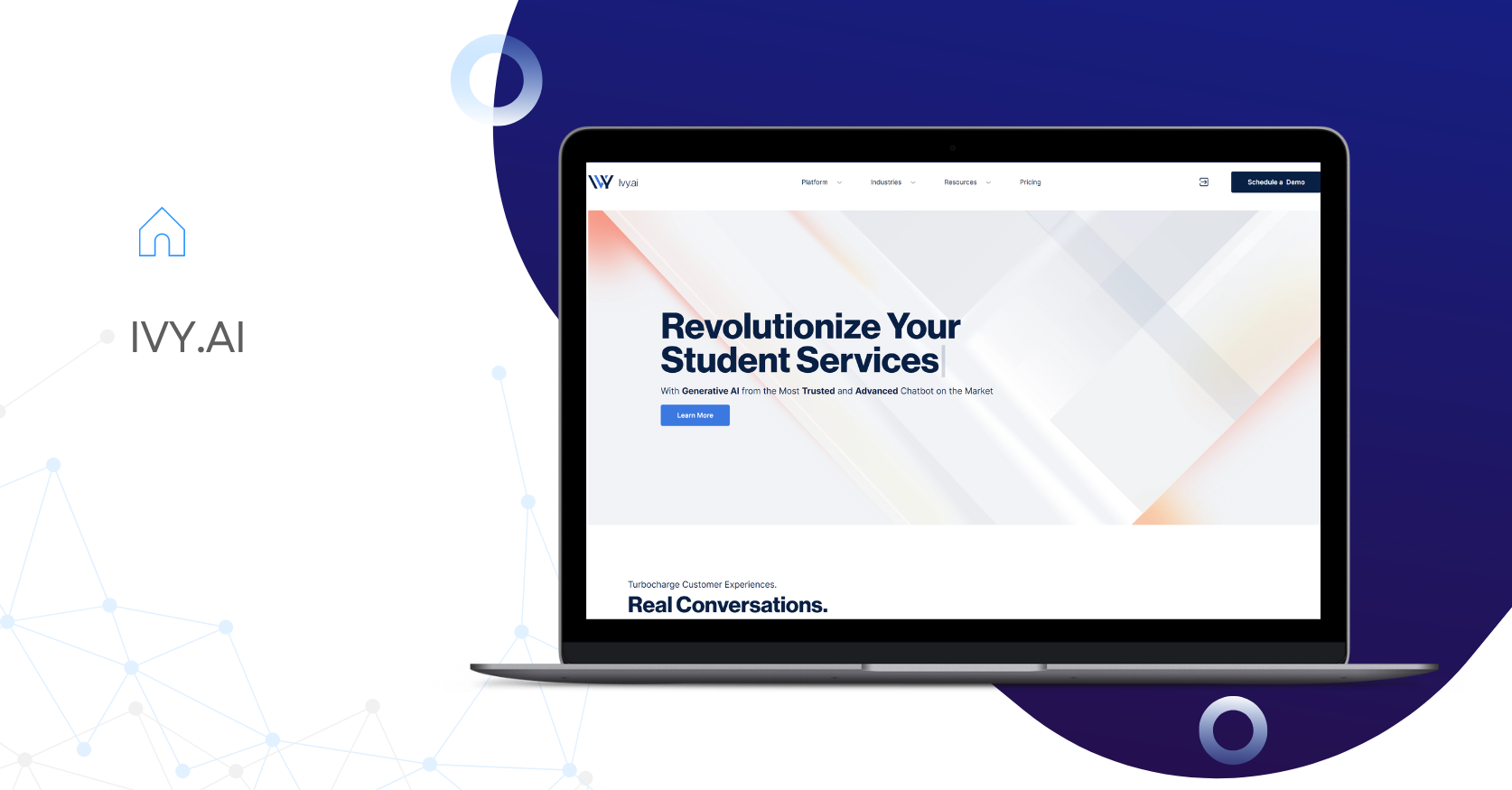
Here are a few of Ivy's primary characteristics:
- SMS prodding and live chat
- Facebook, ERP, CRM, and SIS integrations
- Gain knowledge over time by interacting with other people.
8. Knowji
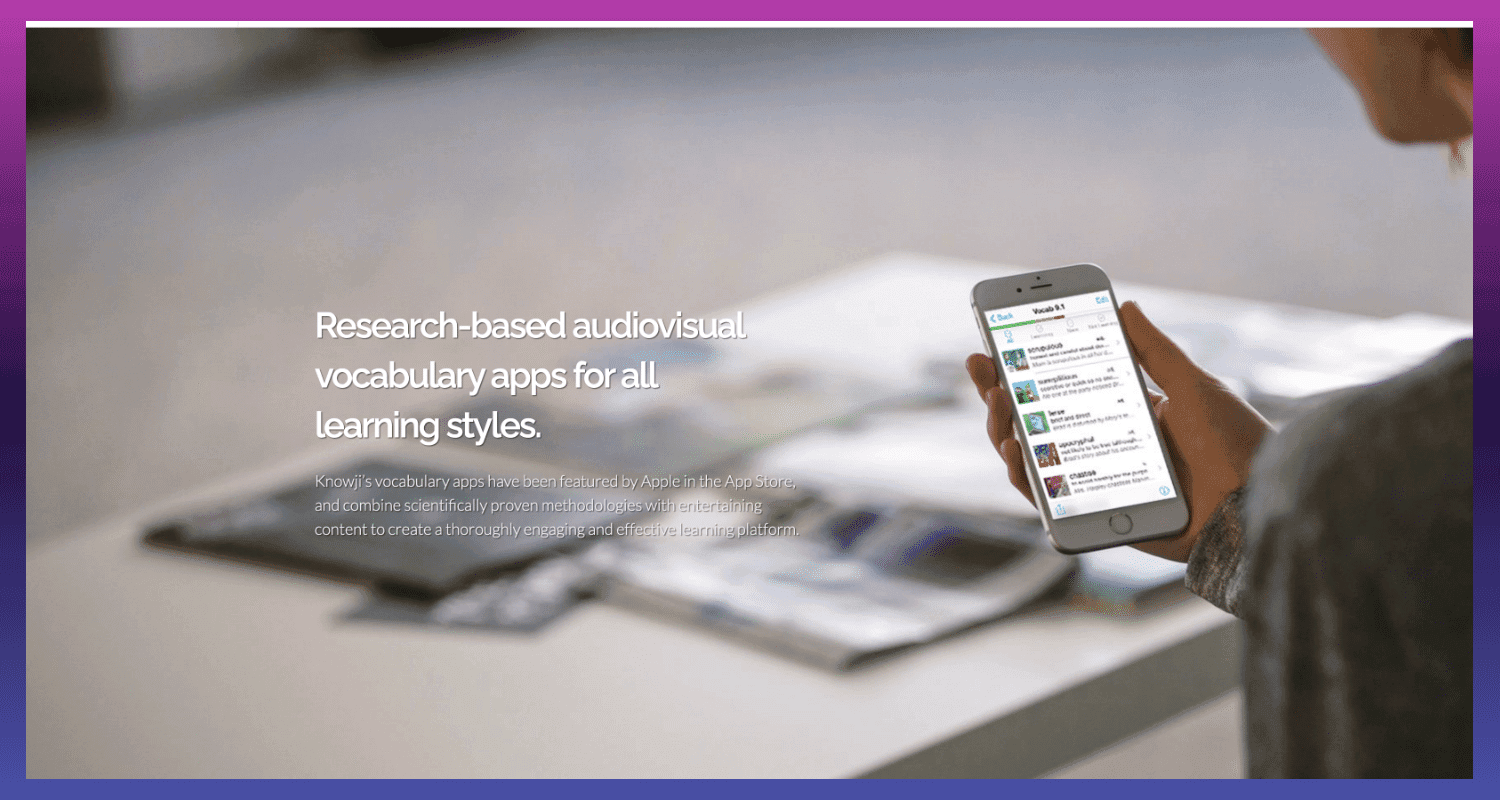
Knowji, an audio-visual vocabulary app that uses the most recent educational research, is another of the best artificial intelligence education tools available. Knowji is a language learning tool that employs various techniques and ideas to accelerate learning.
The AI teaching tool keeps track of every word's development and can forecast when users are most likely to forget it. It accomplishes these goals by employing an algorithm for spaced repetition, which helps pupils learn more effectively over time.
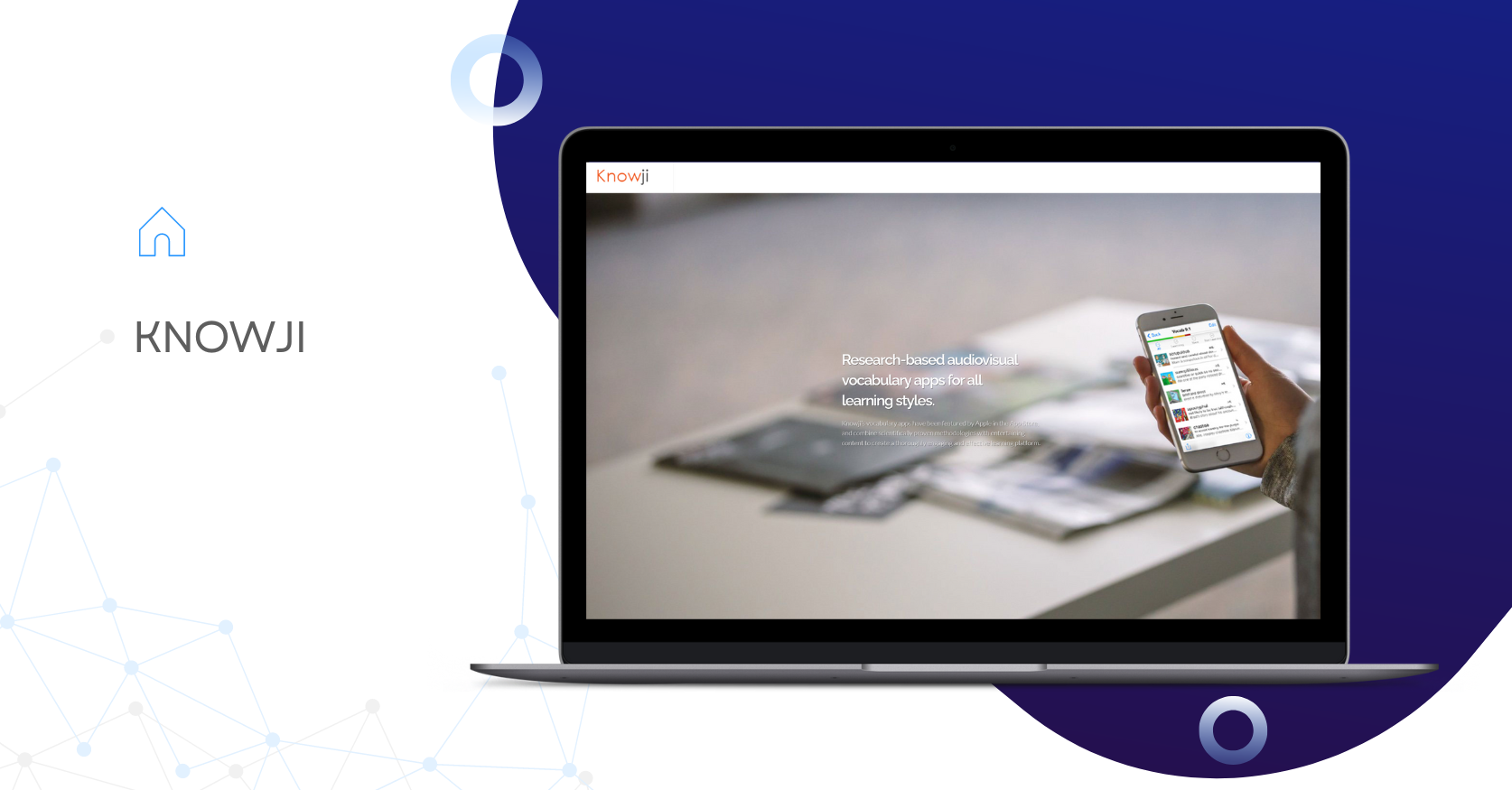
The following are some of Knowji's primary attributes:
- Alignment of Common Core
- Various techniques of learning
- Adaptable and customizable
- Pictures and sample sentences
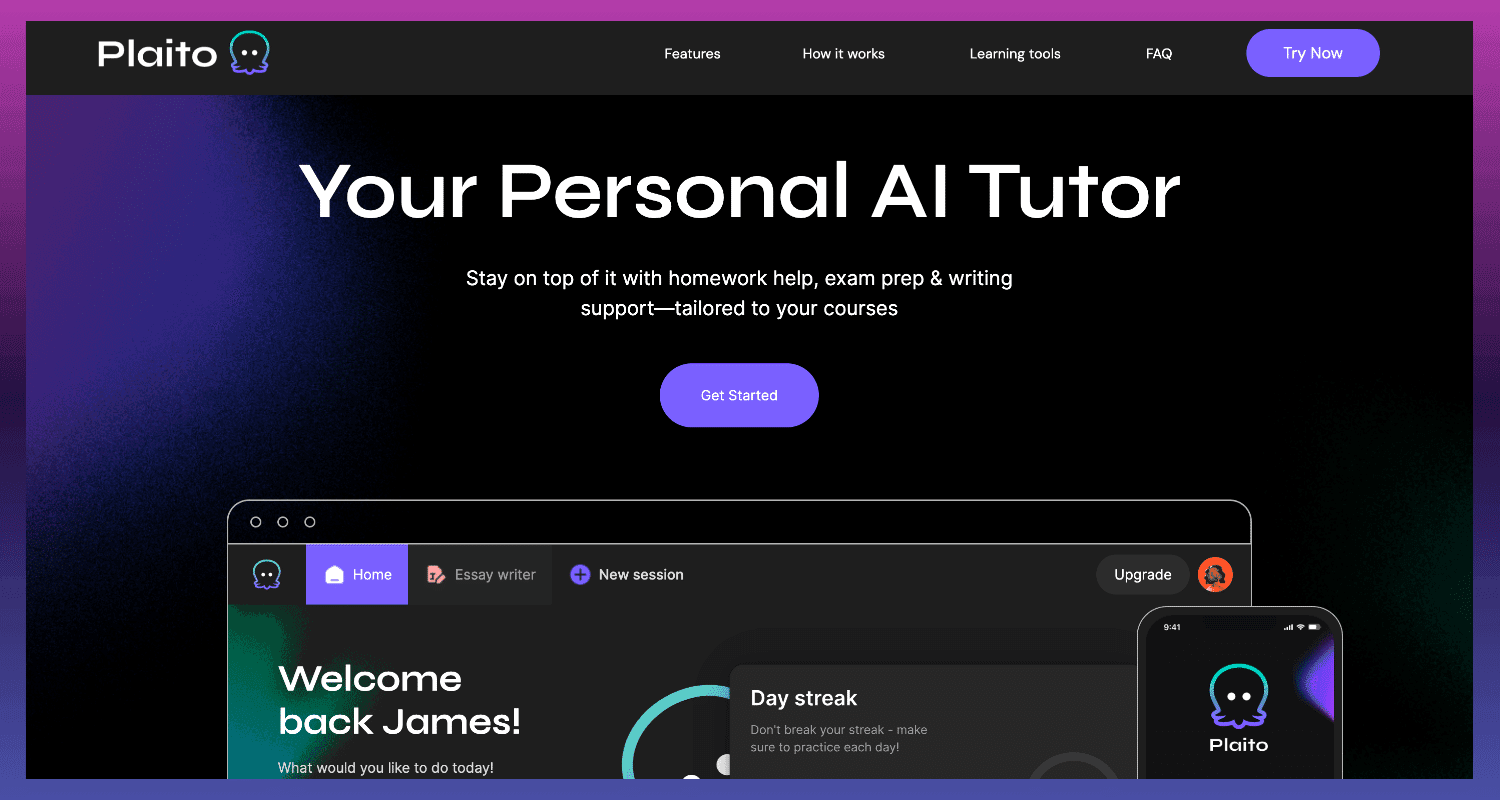
9. Plaito
Plaito takes on the coach role, offering ideas and suggestions to help students advance as they write, discuss, and work together in novel and engaging ways.
The application uses AI to give all pupils the advantages of one-on-one tutoring: profound comprehension, self-assurance, clarity, and empowerment.
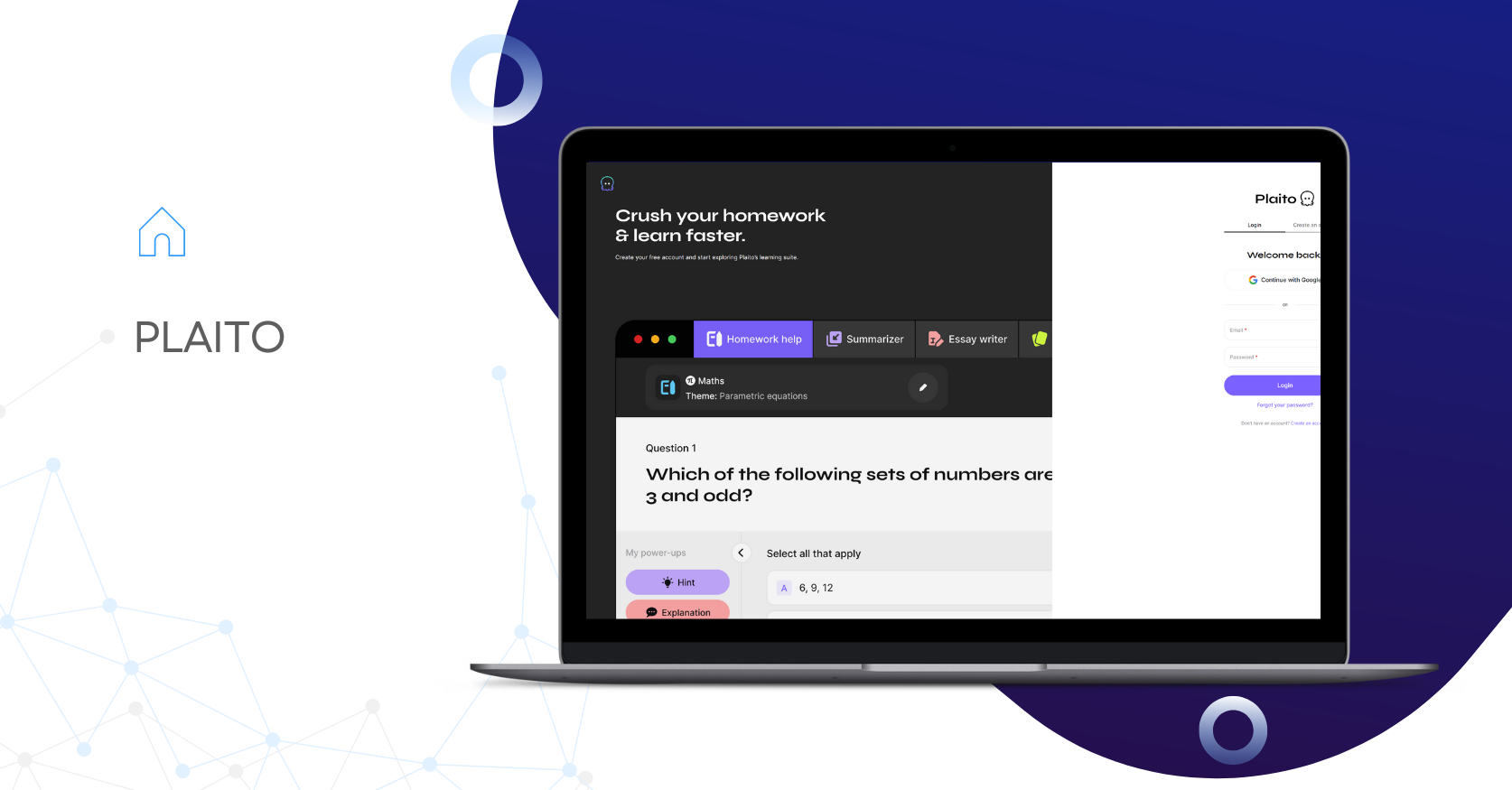
The following features are available on the platform:
- Snap a photo or screenshot of your assignment and submit it to Plaito for real-time AI tutoring.
- Lessons are designed to provide students with individualized learning at just the right level and speed, using the best of artificial intelligence and language science.
- Learn from your conversations with Plaito, just like you would with your other pals. Plaito is multilingual and eager to pick up new skills.
- With learning result-driven tasks, the courses aid students in learning more quickly and retaining information.
- Plaito, the AI robot, provides game-like elements, enjoyable challenges, and reminders to help make language learning a habit.
10. Querium
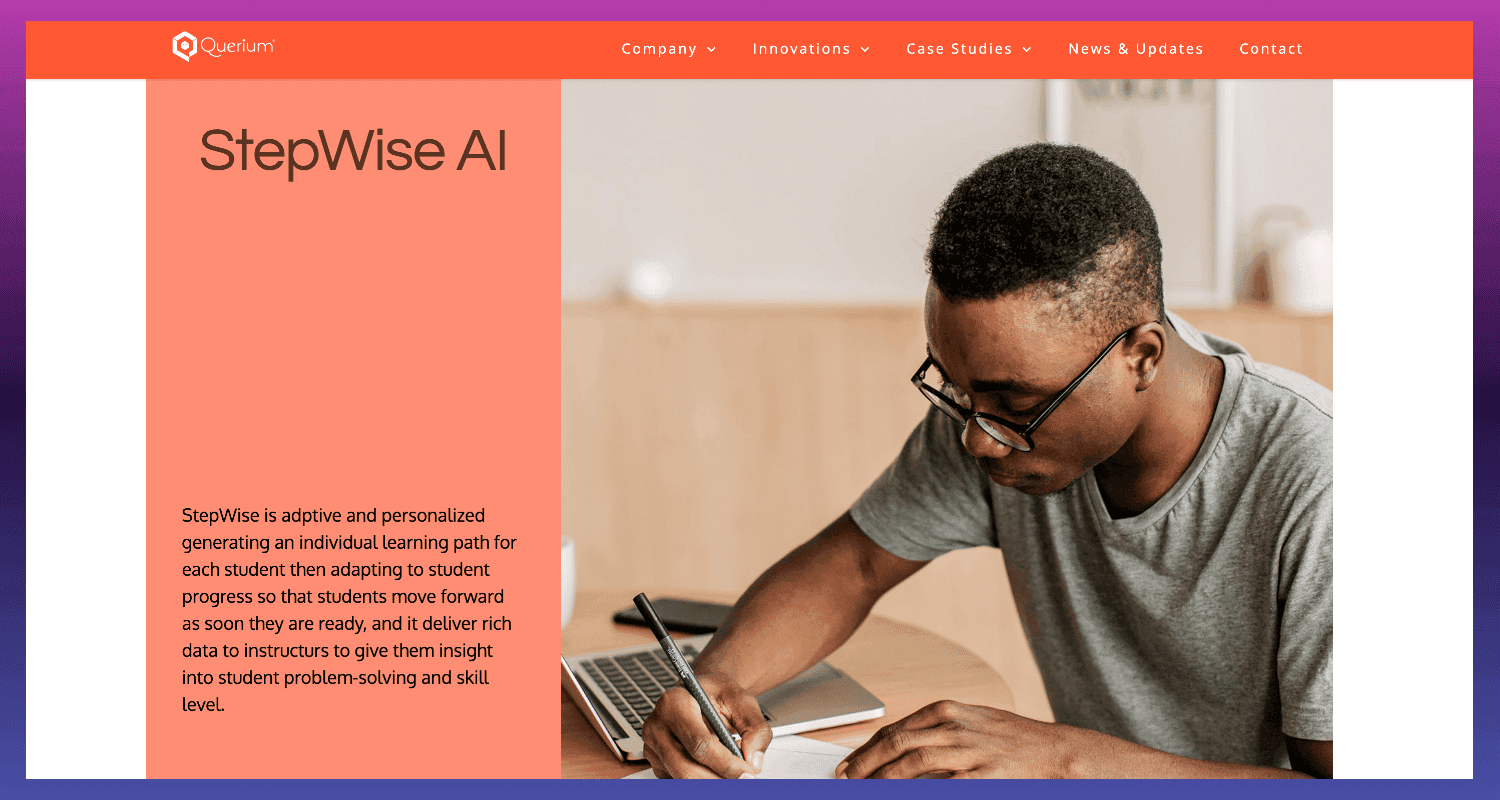
With the aid of Querium's AI platform, students may acquire vital STEM skills and get ready for college and the workforce. The platform is based on individualized instruction and guided tutoring. It has been demonstrated that using an AI virtual instructor can enhance student outcomes while increasing learning speed, quality, and analysis.
Teachers can also benefit from Queirum's AI. It evaluates responses and the time needed to finish tutoring sessions, giving teachers information about their students' study habits and potential growth areas.
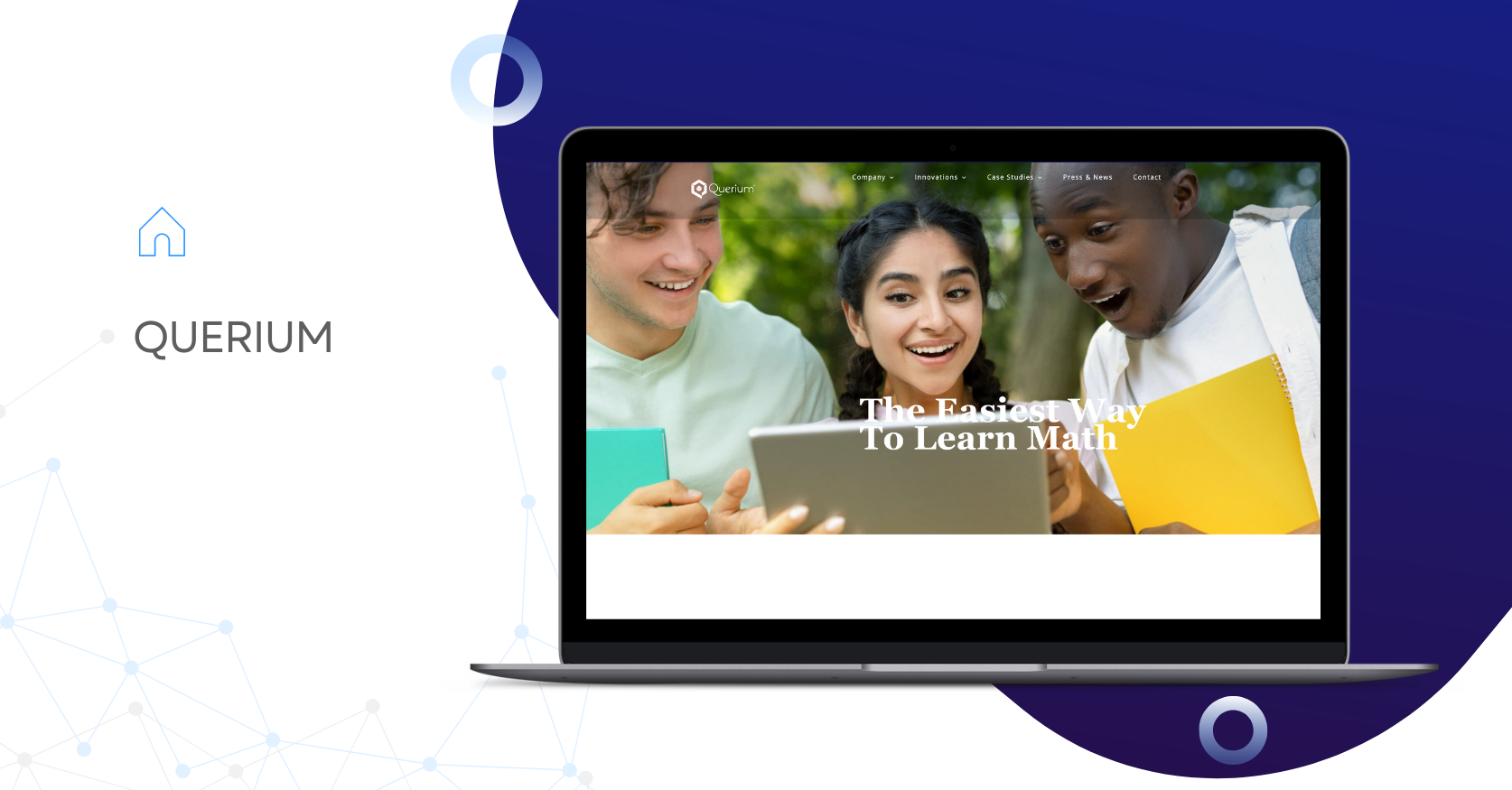
The following are some of Queirum's AI's primary features:
- Bite-sized, customized instruction
- Comprehensive tutoring support
- Boosts involvement among students
Conclusion
AI tools can enhance students' educational experiences. Artificial intelligence (AI) tools help students grasp complex subjects by giving them clear explanations and access to supplementary materials, all while offering correct and pertinent answers to questions and prompts.
Students are better able to understand complex concepts with individualized support. AI technologies for education can help instructors become more efficient, save time, boost professional development, give them individualized help, and give them access to cutting-edge AI features that advance the educational system.
Are you prepared for improved teamwork, customized education, and higher output?
Learn more: AI Journey
