





Are you pouring your heart into writing blog posts but still struggling to attract readers? You’re not alone; many bloggers face this challenge. So, how can you change this situation and boost your organic traffic? The answer lies in a solid strategy and patience.
In this post, we’ll share practical tips to enhance your blog’s visibility and grow your audience. Let’s dive in!
1. Conduct Keyword Research
Keywords are what users type on Google and other search engines, which means they are what triggers organic traffic.
If you know which keywords your potential users search for and you also know how competitive those keywords are, you also know what content you should create.
And when you create content your target audience looks for, you also help your audience find you.
TYPES OF KEYWORDS: LEVEL OF COMPETITION
Low-competition keyword: there are only a few sites that wrote an article targeting that keyword, so you’re more likely to rank for it. If those sites have a low domain authority, even better!
Medium-competition: keyword that is not underserved, but it's not too competitive either. You can try compete for it, but you'll have to cover the topic really well.
High-competition keyword: a lot of high-DA websites are targeting that keyword. You may want to wait a few months - or even years - before targeting it. Because you need a high topical authority to rank for those queries
TYPES OF KEYWORDS YOU SHOULD TARGET
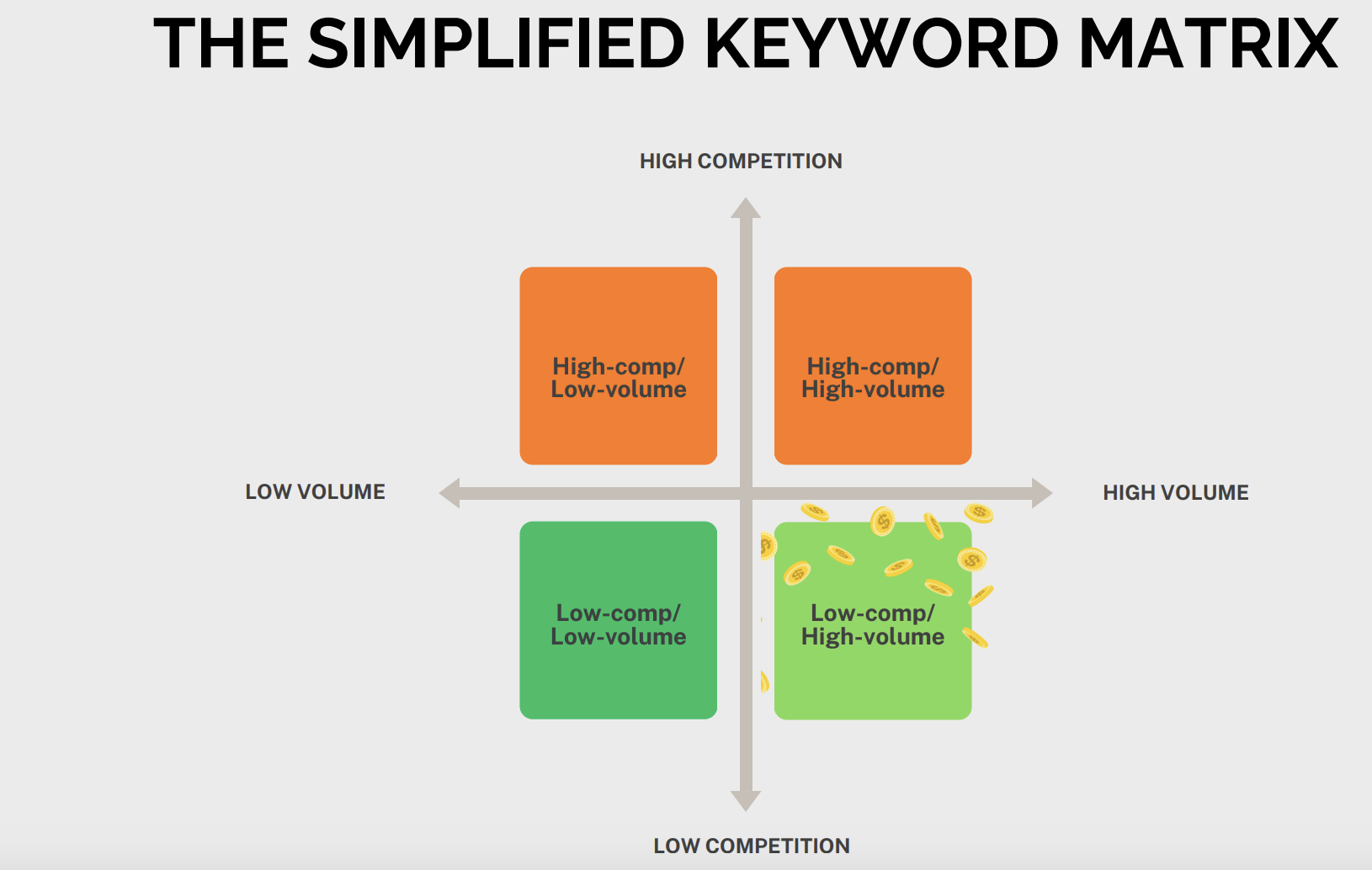
Ideally, you should target high-volume/low-competition keywords - I call them jackpot keywords or golden keywords, because they are usually hard to find.
So, if you find these keywords, fantastic! Start creating high-quality, long-form content targeting those keywords. And don't stop, because those keywords will help you attract a lot of traffic.
If you can't find many of these keywords, start with low/medium volume keywords that are also low competition. When you have enough content (30 to 50 articles), you can start to target medium competition keywords with a higher search volume
2. Create High-Quality and Valuable Content
Creating high-quality, evergreen content is a powerful way to keep readers coming back. Evergreen posts stay relevant over time, helping you build authority and steady traffic. Here’s how to create content that lasts:
1. Focus on Being Helpful: Choose topics that answer your audience’s key questions. Dive deep and make it useful—put the reader’s needs first.
2. Use Storytelling: Share personal stories or examples to make your writing more relatable. This adds personality and builds trust with your readers.
3. Add Research for Credibility: Use stats, data, or references from trusted sources to back up your points. It helps readers trust what you’re saying.
4. Edit and Format Well: Keep paragraphs short, use subheadings, and avoid long walls of text. A clean layout makes it easier for readers to enjoy your post.
5. Practice Regularly: The more you write, the better you get. Study great content in your niche, and practice often to refine your style.
6.Optimize Visual Content : Besides adding photos, you should also perfectly optimize photos to boost the SEO score and appear in image search results. As a result, you can drive some traffic from image search results as well.
Resources for AI Content Writing :
Best Copywriting Assistant Tools
Best AI Frameworks for Content Creation in 2024
3. Leverage SEO to Optimize Each Post
SEO may sound technical, but mastering the basics can do wonders for your traffic. Optimize each post with targeted keywords, headers, meta descriptions, and alt text for images.
By following SEO best practices, you’ll increase your chances of appearing on search engines, where most new readers start.
Remember, textual content isn't enough in the blogging world. Apart from the text, you should also add high-quality and engaging photos to your blogs.
They can break up large sections of text, enhance the engagement factor, and illustrate key points.
However, make sure to only use high-resolution photos to reflect professionalism and perfectly communicate your message. If you struggle to find high-quality photos for your posts, you can use a reverse image search tool to find them.
When choosing photos, ensure they’re high-resolution to convey professionalism and communicate effectively. If you need help finding the right visuals, a search by image can be invaluable.
For example, if you have an image and want to find a similar or higher-resolution version, try searching by image. This type of tool can swiftly locate identical or similar photos across the web, enabling you to access premium-quality visuals to elevate the appeal of your posts.
4. Promote Your Blog on Social Media
Social media can be a game-changer for promoting your blog and driving traffic.
Each platform offers unique opportunities to connect with different audiences, so don't limit yourself to just one.
Start by sharing your posts on Facebook, Twitter, LinkedIn, Instagram, and Pinterest. But here’s the trick: tailor your content for each platform’s style.
Facebook groups can drive traffic from niche communities,
Twitter is great for quick updates and engagement,
LinkedIn reaches a professional crowd
Instagram boosts visual appeal
Pinterest works well for evergreen content that people save and share.
With a bit of experimentation and consistency, you’ll see your reach expand as your posts gain traction across social media.

5. Build an Email List for Consistent Engagement
An email list is a dependable way to drive traffic to your blog. Each time you publish new content, you can share it directly with your subscribers.
Encourage sign-ups by offering something valuable, like a free guide or special tips. Then, send regular updates with links to your latest posts.
This keeps your blog fresh in your subscribers’ minds and brings them back to read more.
6. Write Guest Posts on Popular Sites
Guest blogging on established websites is a win-win: you get exposure to a new audience, and they get valuable content.
Look for reputable blogs in your niche, and pitch topics that align with their readers’ interests. Include a link back to your site in your bio to drive referral traffic back to your blog.
7. Repurpose Content for Different Platforms
Repurposing content for different platforms is a smart way to get more mileage from a single blog post. Each platform has its unique style and audience, so adapting your content can help reach a broader audience without starting from scratch. Here’s how to make the most out of one piece of content:
- Turn Blog Posts into Social Media Posts: Break down key points from your blog post and share them as bite-sized insights on social media. Create a series of tweets, Facebook posts, or LinkedIn updates that highlight the main ideas. Add visuals to make these posts more engaging and tailored for each platform.
- Create Infographics for Visual Sharing: Break down complex ideas into simple infographics. Visuals like these are easy to share on platforms like Pinterest and LinkedIn. They grab attention and encourage more shares, helping your content reach a wider audience.
- Make Video or Live Content: Turn your post into a short video or go live to discuss its main points. Videos perform well on YouTube, Instagram, and Facebook, offering a more personal way for audiences to engage with your content.
- Convert into an Email Newsletter: Use your blog post as the basis for an email update to your subscribers. Give a quick overview, then include a link to the full post for readers who want more details. This keeps your email list engaged and drives traffic back to your blog.
- Publish Slide Decks for Professional Platforms: Summarize key sections of your post into slides and upload them to platforms like SlideShare. A well-organized slide deck can reach professionals looking for quick, actionable insights.
- Make a Podcast Episode: Record yourself discussing the post’s main points and upload it as a podcast. This is a great way to reach audiences who prefer listening over reading and opens up a new channel for engagement.
- Write a Guest Post or Article Summary: Write a shorter, summarized version of your post for guest blogging on other websites. You can include a link to the full post on your site, driving referral traffic.
- Engage in Discussions on Q&A Sites: Extract key insights from your post and use them to answer questions on platforms like Quora or Reddit. This not only helps you reach new readers but also establishes your expertise in your niche.
8. Utilize Internal Linking to Boost Engagement
Internal linking is a powerful way to guide readers through your site and boost engagement. By linking to other relevant posts within your content, you encourage visitors to explore more of what you offer, increasing their time on your site and enhancing their experience. Here’s how to make the most of internal linking:
1. Connect Related Content: Link to posts that naturally expand on the topic you’re discussing. For instance, if you’re writing about keyword research, you could link to a post on SEO best practices. This keeps readers on a learning journey, building their knowledge and trust in your expertise.
2. Use Descriptive Anchor Text: Make sure the text you use for links is specific and descriptive. Instead of “click here,” use anchor text like “learn more about keyword research.” Descriptive text gives readers a clear idea of what they’ll find when they click, making them more likely to follow the link.
3. Prioritize High-Value Pages
Direct readers to your most valuable pages. These could be top-performing posts or pages that lead to conversions. Sending traffic here boosts engagement on your key content and builds your site’s authority.
4. Create a Clear Structure with Categories
Organize your content into clear categories and link related posts within each one. For example, if you have a “Content Marketing” category, link posts within that topic. This setup makes it easier for readers to find relevant content and helps search engines understand your site structure.
5. Include a “Related Posts” Section
Add a “Related Posts” section at the end of each article. You can use plugins or manually add links to similar posts. This gives readers more options and encourages them to stay on your site longer.
6. Link to Evergreen Content: When possible, link to evergreen content that stays relevant over time. Evergreen posts help support your newer posts and serve as stable resources that are valuable to readers year-round.
7. Regularly Audit Your Internal Links: As you add new content, review your internal links to keep them updated and relevant. This ensures no dead-end links and helps you continually improve site navigation.
8. Balance Your Links: Don’t overload your posts with too many internal links. Aim for a balance that feels natural and enhances the reader’s experience. Thoughtfully placed links are more effective than overwhelming readers with options.
9. Collaborate with Influencers in Your Niche
Partnering with influencers is a quick way to reach more people. Look for influencers who share your values and have a similar audience. Reach out to them for a possible collaboration. This could be a guest blog, a social media mention, or a spot in their newsletter. An influencer’s support adds credibility to your blog and introduces it to new readers.

10. Engage with Your Community and Network
Get active in your niche community. Comment on other blogs, join forums, and interact on social media. Genuine engagement builds relationships and can lead others to visit your blog. Networking with fellow bloggers also opens doors for collaborations, backlinks, and guest posts.
Conclusion
Attracting more visitors requires consistent effort and the right strategies. Focus on providing value, optimizing for search engines, and engaging with your audience. Avoid unethical practices that could harm your rankings. With patience and dedication, you’ll see your readership grow over time.
