


I. Mastering Product Events Marketing Automation
Did you know that 68% of event organizers say automation increases attendee engagement and saves up to 30% of their time? In today's fast-paced digital world, relying on manual processes to plan and manage product events simply isn't enough. To truly stand out, you need personalized, targeted experiences that resonate with your audience, and that's where product events marketing automation steps in. Consider it your digital event manager, striving behind the scenes to make sure each guest has the VIP treatment.
What is Product Events Marketing Automation?
Product events marketing automation uses software to streamline and enhance the entire lifecycle of a product-focused event. This includes everything from webinars and product launches to demos and customer appreciation gatherings. It's not just about sending bulk emails; it's about creating a cohesive, data-driven strategy that personalizes the attendee journey.
Imagine this: someone signs up for your upcoming webinar. Your automation system immediately kicks into gear, sending a personalized event marketing welcome email with event details and a link to add it to their calendar. A few days before the event, they receive a reminder email. Perhaps they also get a tailored message highlighting the most relevant aspects of the webinar based on their past interactions with your brand. That's just a taste of what a well-crafted automation setup can do.
II. Why You Need Automation in Your Arsenal
I've seen firsthand how automation can transform product launch marketing strategies. It's not just about saving time (though that's a huge plus!); it's about maximizing impact and engagement. Here are some of the key benefits:
- Enhanced Efficiency: No more manual emailing or spreadsheet juggling. Automation handles daily tasks, freeing up your team to focus on strategy, content creation, and those all-important personal touches.
- Personalized Customer Experience: Data is your superpower. Leverage it to tailor messages, recommend relevant sessions, and offer exclusive perks, making each attendee feel valued and seen. A cookie-cutter approach just doesn't cut it anymore.
- Data-Driven Event Strategies: Automation tools offer a wealth of analytics, giving you insights into registration rates, attendance, engagement, and more. Use this data to refine your strategy and make informed decisions for future events. Knowledge is power!
- Increased Event Attendance and Conversions: Automated reminders, targeted event email campaigns, and personalized invites all contribute to higher attendance rates and conversions. The goal is to get people excited and keep them engaged.
- Stronger Brand Reputation: A well-executed event can do wonders for your brand's reputation. Automation helps create seamless, engaging experiences, leaving a lasting positive impression and building trust.

III. Must-Have Features for Product Event Automation Tools
Choosing the right event marketing automation tools can feel overwhelming. For example, platforms like HubSpot excel at integrating marketing workflows across email, social media, and CRM systems, while tools like ActiveCampaign specialize in advanced personalization and automation for events. Focus on finding a solution that satisfies your needs and budget, but make sure it has these core features:
- Multi-Channel Campaign Management: Email, social media, SMS—you need a presence across all relevant channels. Your tool should manage this centrally to ensure consistent messaging and save time.
- Segmentation and Targeting Capabilities: Say goodbye to generic messaging. Tools that allow segmentation based on demographics, interests, and interactions enable personalized event marketing campaigns.
- Automated Workflow Creation: Set up trigger-based actions for reminders, follow-ups, and personalized content. This keeps the event lifecycle automation flowing smoothly.
- Personalization Options: Advanced personalization creates a unique attendee experience by tailoring content to individual preferences and past behaviors.
- Comprehensive Analytics and Reporting: Data drives success. Tools that offer robust event analytics and reporting tools allow you to measure results and optimize campaigns.
- Lead Scoring and Nurturing: Identify and nurture your hottest leads. Automated product launch campaigns ensure you don’t let potential customers slip through the cracks.
IV. Choosing the Right Tools: Key Features to Consider
When selecting tools for event marketing automation, focus on features that meet your needs:
- Multi-Channel Campaign Management: Manage communication via email, social media, SMS, and more, ensuring consistent messaging.
- Segmentation and Targeting: Group attendees by demographics, behaviors, and interests for tailored campaigns.
- Automated Workflow Creation: Set up trigger-based actions like automated event follow-up emails and reminders.
- Personalization Options: Go beyond names—tailor content based on attendee interactions and preferences.
- Comprehensive Analytics and Reporting: Gain insights into key metrics, from registrations to conversions.
- Lead Scoring and Nurturing: Identify and nurture high-value leads with automated workflows.
- Seamless Integration: Ensure smooth workflows by integrating with CRM and other tools.
V. Best Practices: Tips for Automation Success
To make product events marketing automation work for you, follow these best practices:
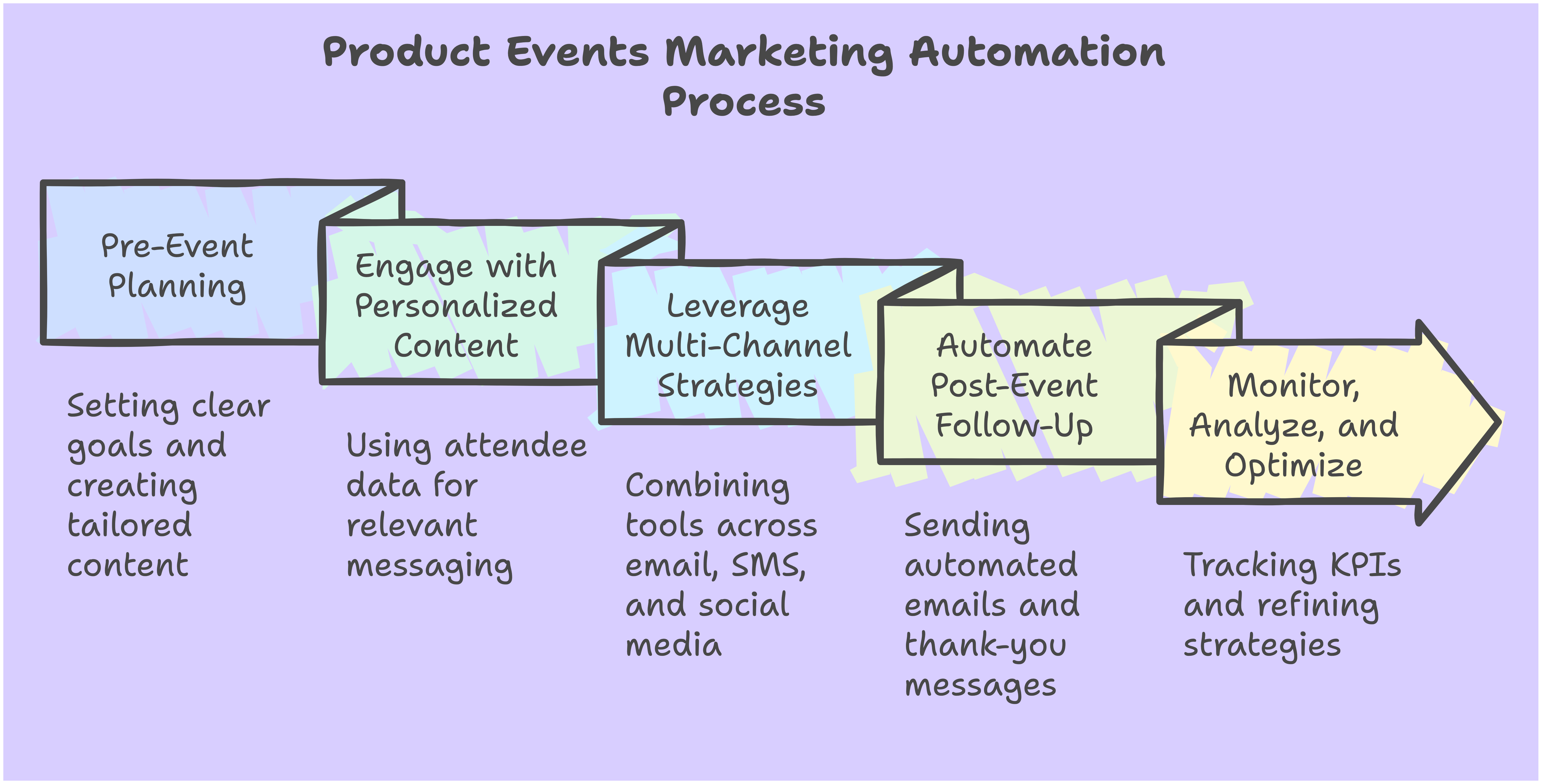
1. Pre-Event Planning is Key
- Set clear goals for product launch marketing strategies and event stages.
- Use segmentation for personalized event marketing.
- Create tailored content for pre-event buzz and post-event follow-ups.
2. Engage with Personalized Content
- Use attendee data to send relevant messages via email and social media.
- Incorporate polls and surveys to increase engagement and gather insights.
3. Leverage Multi-Channel Strategies
- Combine event marketing automation tools across email, SMS, and social media to connect with your audience wherever they are.
- Keep messaging consistent across channels to reinforce your brand.
4. Automate Post-Event Follow-Up
- Set up automated follow-up emails, thank-you messages, and tailored surveys to nurture relationships post-event.
- Use attendee engagement data to personalize follow-ups.
5. Monitor, Analyze, and Optimize
- Track KPIs like attendance rates, content engagement, and conversions.
- Use event analytics and reporting tools to refine future event strategies for better results.
VI. Top Tools to Supercharge Your Events
Here are standout tools for product events marketing automation:
All-in-One Marketing Automation
- HubSpot: Powerful features for managing events, CRM integration, and analytics.
- Marketo (Adobe): Ideal for large-scale, automated product launch campaigns.
Event Management Platforms
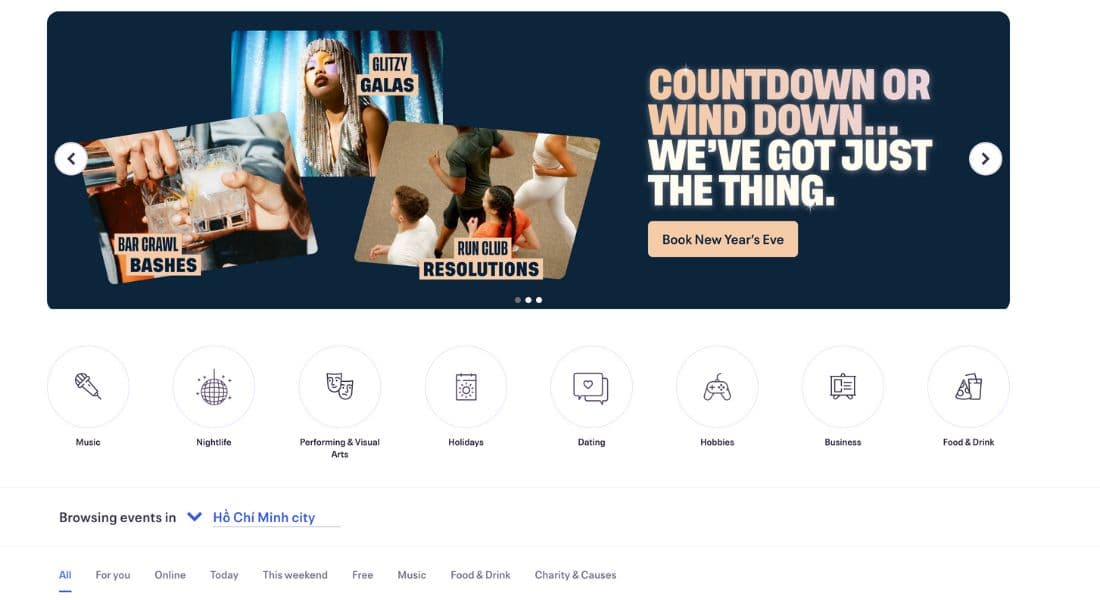
- Eventbrite: Automates registration, confirmations, and reminders.
- Bizzabo: Specializes in creating personalized, seamless event experiences.
Email Marketing and Automation
- ActiveCampaign: Combines email automation with lead nurturing.
- Mailchimp: User-friendly automation for event communications.
CRM Platforms
- Salesforce Marketing Cloud: Advanced tools for managing events and leads.
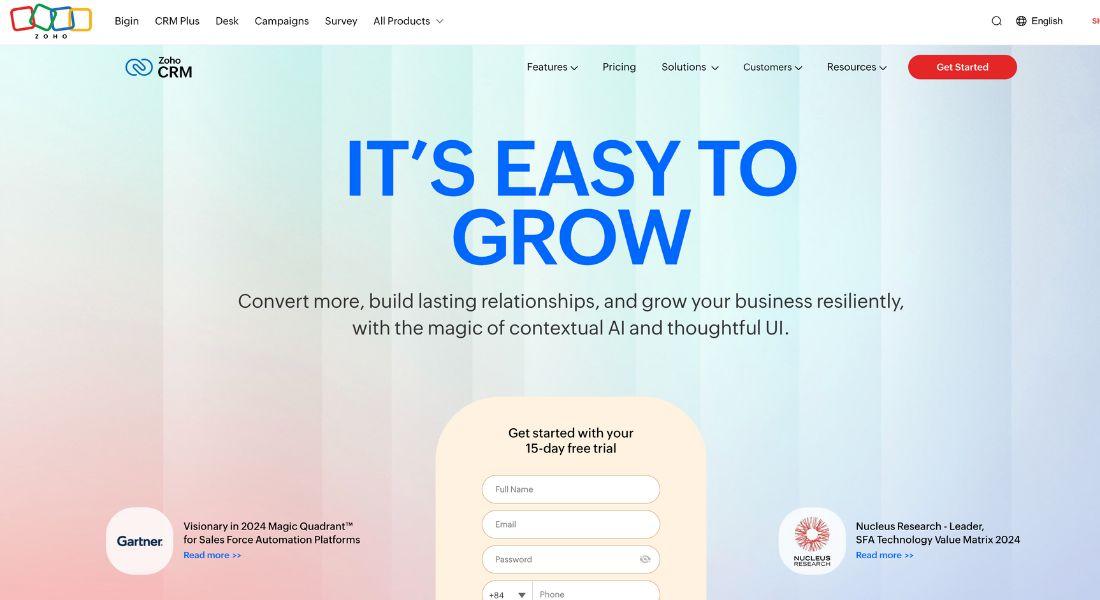
- Zoho CRM: A suite of automation tools for event attendee engagement.
Integration Platforms
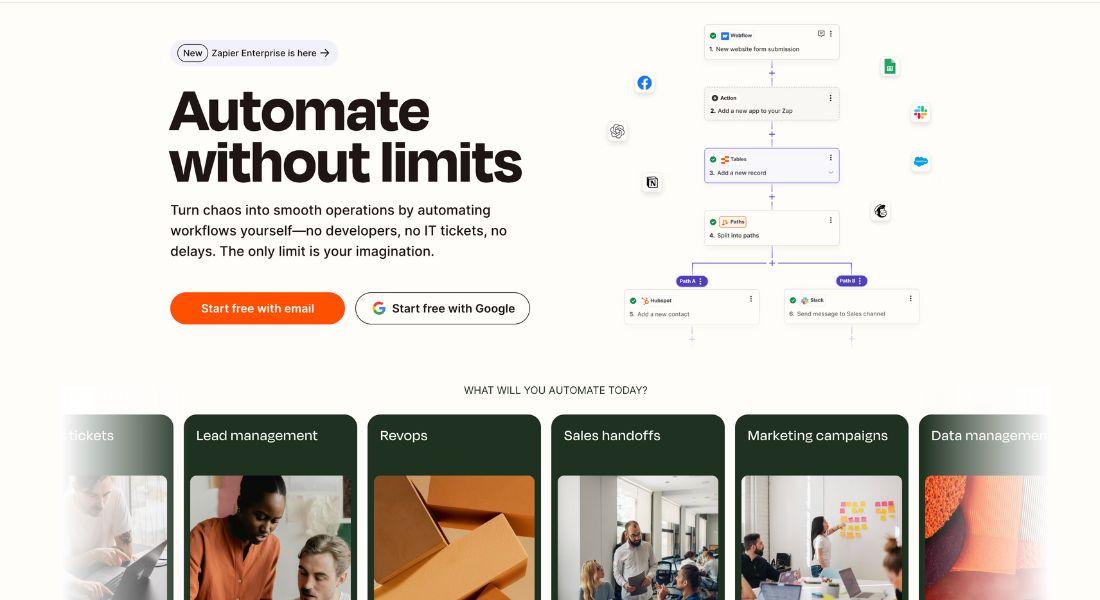
- Zapier: Connects tools to automate workflows and streamline processes.
VII. Case Studies: Real-World Success with Automation
Salesforce Dreamforce
Salesforce uses Marketing Cloud for personalized event communications, registration management, and follow-ups, leading to high attendee satisfaction.
HubSpot INBOUND
HubSpot leverages its platform to automate reminders, deliver tailored content, and analyze event engagement, ensuring success.
Adobe MAX
Adobe employs automation for personalized messaging, real-time engagement, and post-event follow-ups, fostering long-term connections.
Balancing Automation with the Human Touch
While automation is powerful, remember that events are about human connection.
- Free up time for meaningful interactions by automating repetitive tasks.
- Add personal touches to automated emails with dynamic content and conversational tones.
- Use tools to encourage networking and foster relationships during events.
VIII. Looking Ahead: The Future of Event Automation
Event automation continues to evolve. Key trends include:
- Virtual and Hybrid Events: Automation tools will manage engagement for both in-person and virtual attendees.
- AI and Machine Learning: AI will enable real-time personalization and predictive insights.
- Interactive Technologies: Tools like chatbots and VR/AR will enhance engagement.
- Metaverse Events: Automation will drive immersive event experiences in virtual spaces.
IX. Product Events Marketing Automation: Your Secret Weapon for Success
Launching a product event can feel like a juggling act, but with the right marketing automation for events, you can create an experience that's not only successful but truly memorable. Embrace automation, not as a replacement for human creativity, but as a powerful amplifier. It streamlines repetitive tasks, enhances efficiency, and delivers personalized experiences that drive engagement. This allows you to focus on strategy and those personal touches that truly make a difference. And trust me, your attendees will notice.
With product events marketing automation, you’re not just planning an event—you’re orchestrating a seamless, data-driven, and engaging experience that leaves a lasting impact. Start exploring tools like HubSpot, ActiveCampaign, or Eventbrite to streamline your next product event and deliver experiences your audience won’t forget.
For more insights on top AI marketing tools to elevate your strategy, check out our detailed guide: Top AI Marketing Tools.
Frequently Asked Questions (FAQs)
1. What is product events marketing automation?
Product events marketing automation is the use of software to streamline and personalize all stages of a product-focused event, from registration and reminders to follow-ups and analytics. It ensures events are efficient, engaging, and data-driven.
2. How does automation improve event attendance?
By automating reminders, confirmations, and personalized invites, automation keeps attendees informed, excited, and less likely to miss the event.
3. What are the best tools for product event automation?
Top tools include HubSpot, Marketo, Eventbrite, ActiveCampaign, and Salesforce Marketing Cloud, each offering features like workflow automation, segmentation, and analytics.
4. Can automation replace human interaction at events?
No. Automation handles repetitive tasks, freeing up time for high-value, personal interactions that build relationships and create meaningful connections.
5. How do I measure the success of my automated product events?
Use event analytics tools to track KPIs such as registration rates, attendance, engagement, and conversions to measure and optimize your event's performance.
