


I. AI for Sales Letters: Generating Text and Creating Long-Form Sales Letters
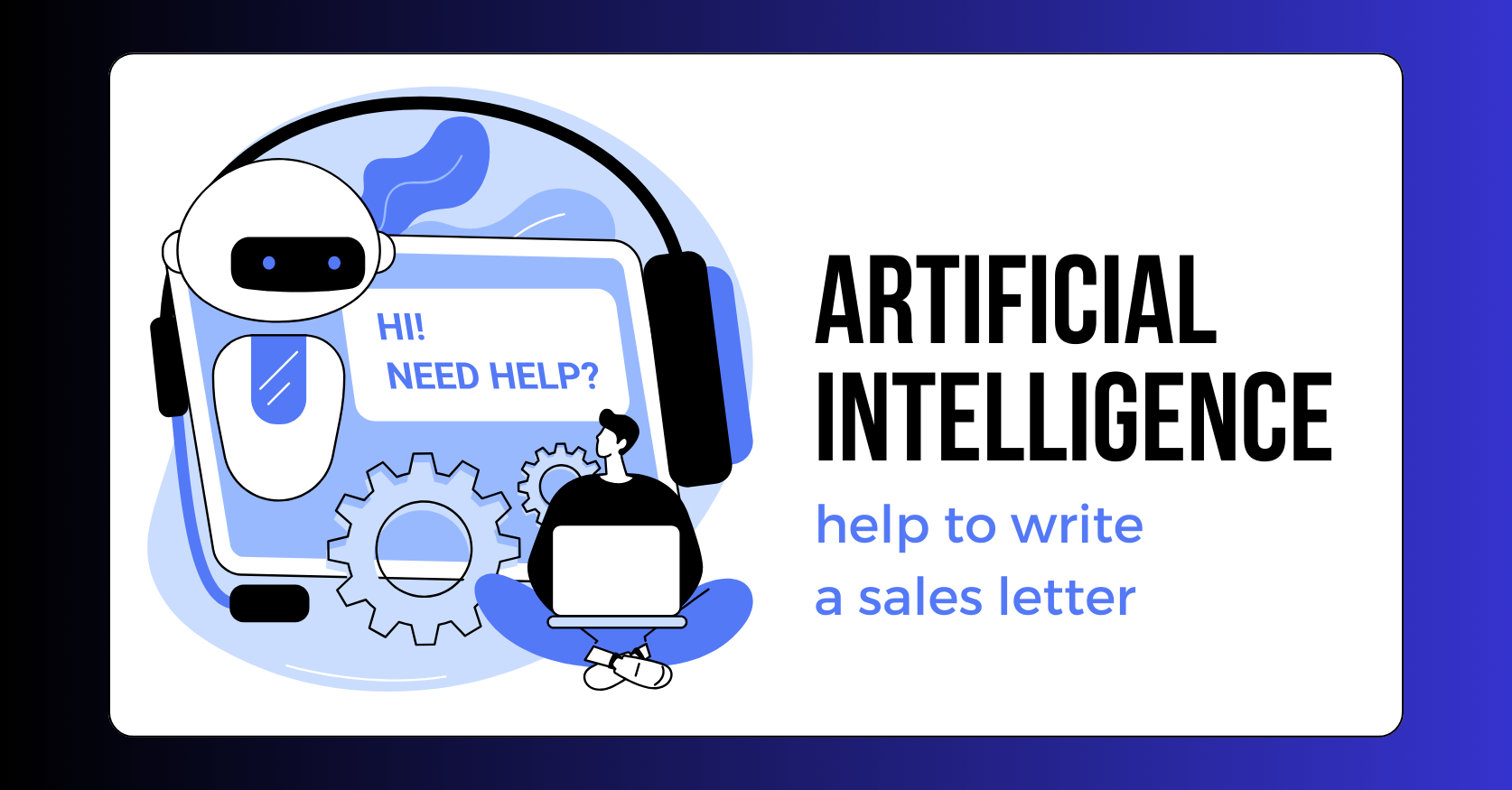
Generative AI is altering the strategy taken by marketers with long-form sales letters. Before getting into specifics, let's first go over the sales letter, AI prompts, and general text-generating usage.
1.1. Definition of AI Letter Writing
AI letter writing is the use of AI writing tools to automatically create a letter according to your instructions. This technology involves generating content that serves as a starting point, which requires further refinement and personalization by the user. Although AI-generated drafts aren't perfect, they provide a foundation that saves time and sparks creativity.
1.2. Definition of Sales Letter
A sales letter is an extended piece of copywriting designed to convince the reader to buy a good or service. Sales letters were formerly addressed to prospective clients, but they are now more frequently available digitally as part of web page material, emails, or videos.
1.3. In AI, How Should a Sales Letter Begin?
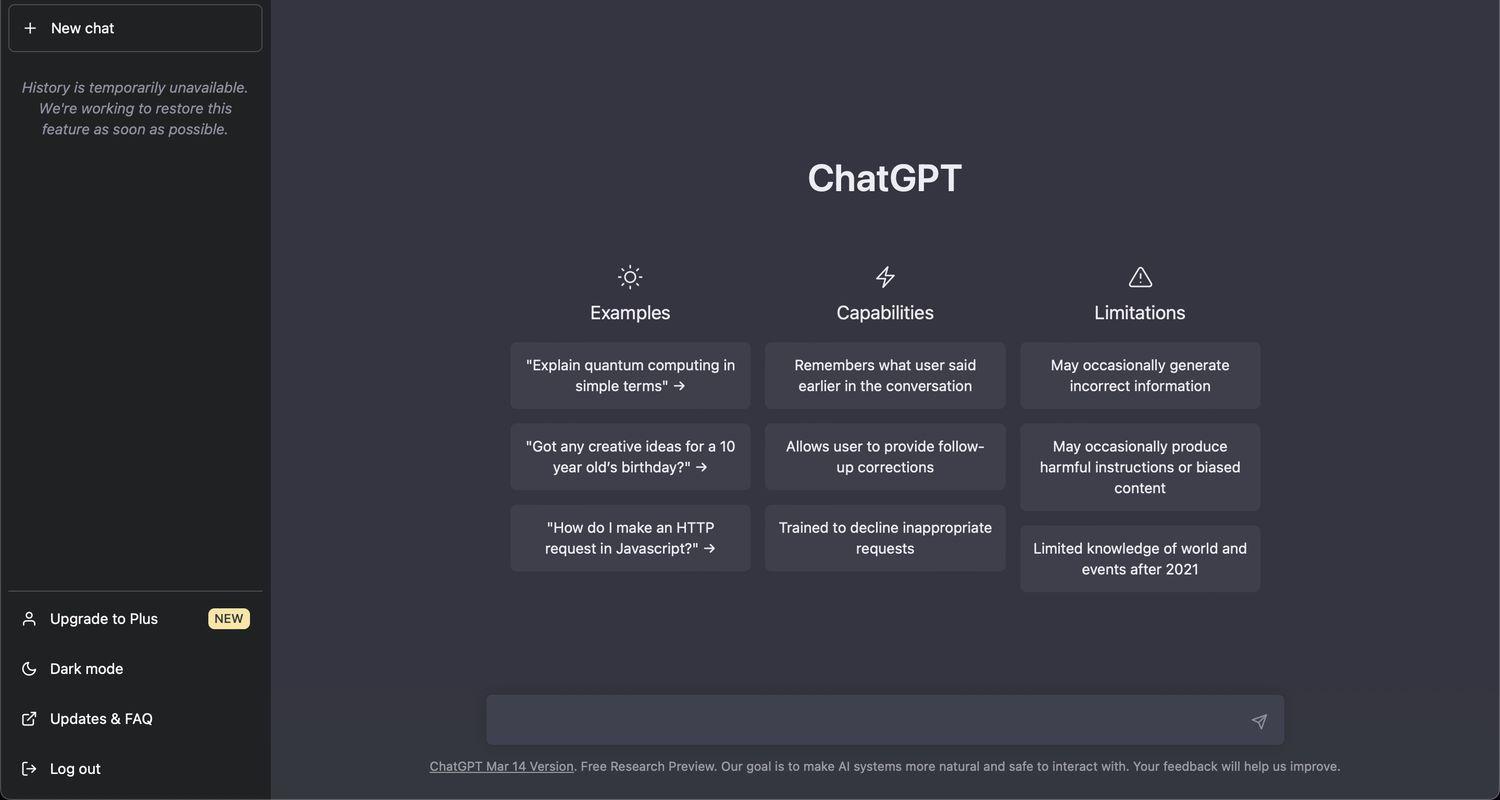
Marketers now frequently use generative AI tools like ChatGPT to expedite the writing process. While AI copywriting is still being prepared for flawless writing, AI text production can still be helpful for rough drafts, concept generation, outlining, and fine-tuning final word choice and phrasing.
AI writing prompts are the starting point for any generated text, including sales letter AI writing. The command the user types into the AI chat window to get the desired outcomes is known as the AI prompt. Consider the AI prompt as the instructions you provide to the AI, stating precise information such as the subject, duration, intended audience, and any specifics you wish to have included.
1.4. The Value of AI in Letter Writing
The real power of AI letter writing lies in its ability to assist rather than replace. AI tools help organize your thoughts and present new perspectives, especially useful for those unfamiliar with writing structured content. This process can lead to discovering ideas that might not come naturally, enhancing creativity and efficiency in crafting compelling messages.
II. How to Write a Basic Sales Letter AI Prompt?
AI prompts don't have to be complicated; they don't need to be. The AI prompt's sole purpose is to inform the AI of your needs so that you can compose your prompt in simple, rudimentary terms. All you need to do is supply the information you want on the letter; for a sales letter, this may be the specifications and characteristics of the product.
Relax if that still seems overwhelming: AI prompts include suggested or pre-written prompts based on what you might need. Feel free to modify these writing prompts to include any missing information.
By leveraging AI for sales letters, marketers can streamline their workflow while still retaining the essential human touch that captivates and converts.
III. Ethical Considerations for Using AI in Letter Writing
When using AI for letter writing, several ethical considerations should be addressed to ensure integrity in your personal or professional communications.
1. Originality and Authorship
- Respect for Originality: It's important to use AI as a tool rather than a crutch. If an AI generates a draft, make sure to personalize and modify enough of the content. This ensures that the final piece reflects your unique voice and ideas, much like paraphrasing sources in academic work.
2. Transparency and Disclosure
- Acknowledgement: When applicable, be transparent about the use of AI tools in crafting correspondence. This can help maintain trust, particularly in professional environments where authenticity and honesty are crucial.
3. Plagiarism Concerns
- Avoiding Plagiarism: Relying solely on AI-generated text without substantial modification can lead to plagiarism. It's crucial to ensure that the content is sufficiently altered to make it distinctly your own.
4. Intellectual Property
- Respect for Intellectual Property: Ensure that the AI tool you are using respects the intellectual property laws and does not generate content that contains unauthorized use of copyrighted material.
5. Privacy and Sensitivity
- Confidentiality: Be cautious about feeding sensitive or personal information into AI platforms. Assess the privacy policies and data handling practices of AI providers to safeguard confidential information.
6. Ethical AI Use
- Responsible Usage: Use AI tools responsibly to enhance rather than replace your creativity and effort. Consider ethical guidelines and industry standards to navigate the balance between innovation and ethical responsibility.
By integrating these considerations, you can effectively utilize AI tools in letter writing without compromising ethical standards.
IV. How Can AI Writing Tools Be Used for Professional and Personal Letters?
AI writing tools offer a powerful solution for drafting both professional and personal letters, catering to those who might struggle with organizing their thoughts effectively. Whether you're drafting a formal business letter or a heartfelt personal note, these tools can structure your content efficiently, ensuring clarity and coherence.
1. Organizing Thoughts: One key advantage of AI writing tools is their ability to methodically organize ideas. They help users outline their thoughts, making it easier to construct a logical flow, which might be challenging for some without such assistance.
2. Drafting Professional Letters: For professional correspondence, AI can assist by generating a draft that adheres to formal conventions. It provides a foundation that includes polite salutations, concise body content, and appropriate closings, ensuring your message maintains a professional tone.
3. Crafting Personal Messages: When it comes to personal letters, AI tools can help strike the right balance between warmth and clarity. They can suggest ways to personalize content while maintaining a clear and engaging writing style.
4. Revising for Human Touch: Although AI-generated text might initially seem mechanical, it can be easily personalized. By editing and adding personal nuances, you can transform a generic AI draft into a message that reflects your unique voice and style.
Incorporating these tools into your writing process not only saves time but also enhances the clarity and effectiveness of your communication. With a few thoughtful revisions, you can ensure that your letters resonate with your intended audience, whether professional or personal.
V. How to write a sales letter using AI?
Integrating AI into your sales letter writing process can streamline your efforts and enhance your message. Here's a comprehensive guide to leveraging AI effectively, while still maintaining a personalized touch.
1. Select the items to add
Choosing what you want in the letter is the first stage in creating a sales letter using AI. AI will include everything you say, but you have to say it explicitly first.
Think about the information you would like in the sales letter. Here is a brief list of subjects that individuals frequently include in sales letters to get you started:
- Name of the product
- Features of the product
- How the product addresses a certain issue or kind of user
- A company's value proposition or unique selling offer
- Product costing
- Any product promotions, such as those with a "ticking clock" to indicate urgency
- Name of recipient
- The recipient's occupation
- Preferred tone and voice for branding
- Customer testimonials (you can add them yourself later, or you can include them exactly in the prompt)
- Text length expressed as pages, words, or paragraphs
- Call to action and/or guidelines for the following action
- Headline for sales letter
- Data or statistics that persuade
- A personal touch to the letter with a postscript (PS)
- Your details for follow-up or contact
You can use some of these, but consider which ones would be most appropriate for your business or product. The most excellent thing about artificial intelligence is that you don't need to write any of them; you still need to know what to ask for.
2. Carefully choose your AI writing tool
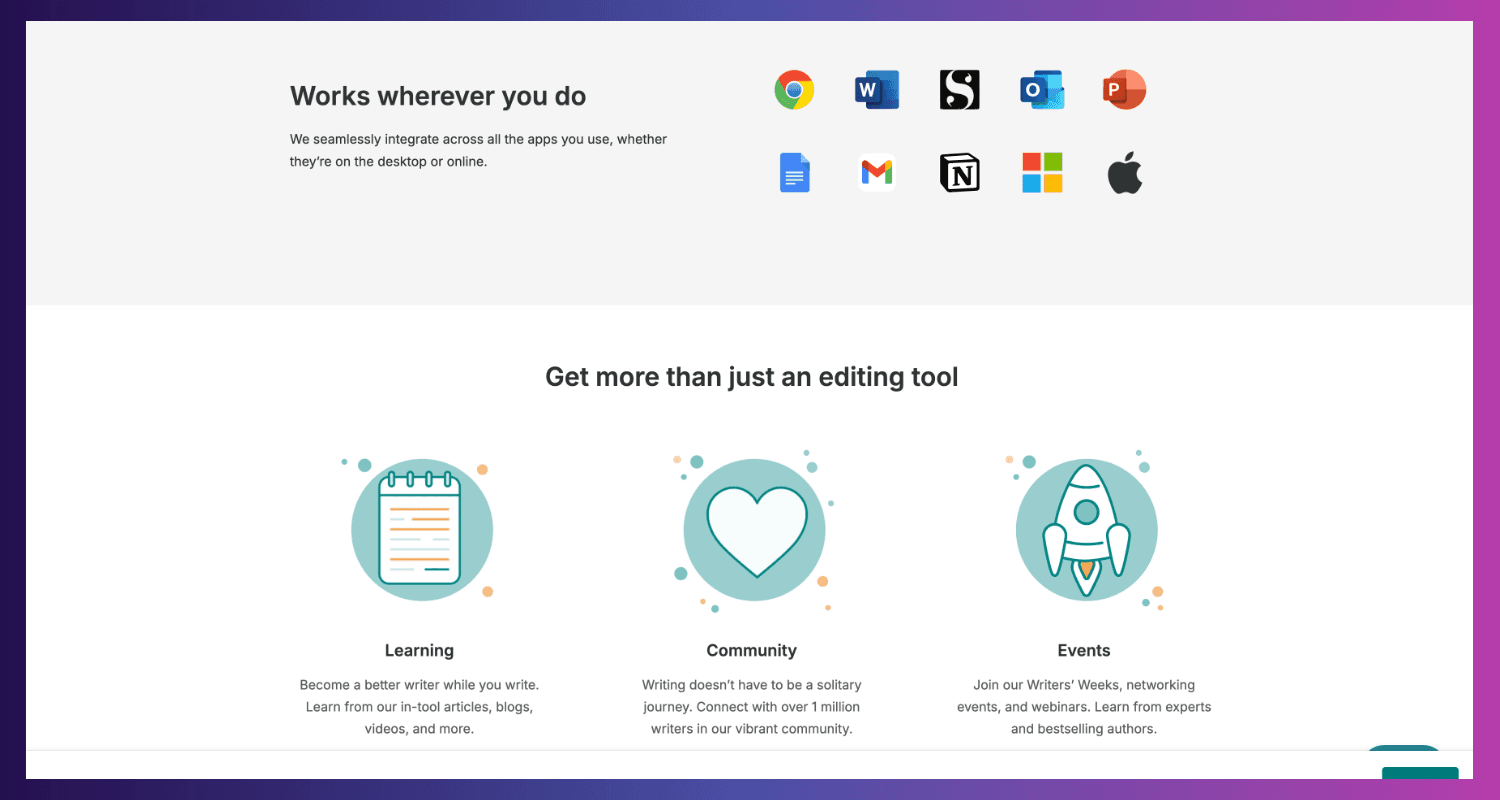
Before diving into the writing process, it's essential to select the right AI writing tool for your specific needs. Different tools offer various features, from maintaining a consistent tone to providing grammar and style suggestions. Consider what features are most important for your sales letter, such as language style or integration with other platforms you use.
3. Make sure to carefully phrase your generative AI prompt
We have previously discussed marketing AI prompts in our guide on writing a cold email. The concept is the same in sales letters but with more specific information.
When using AI prompts, it's crucial to remember that you should incorporate all relevant information into a single message or prompt. It is challenging to go back and make changes in a subsequent message because most AI text generators regard every message as a distinct session.
Generally speaking, the AI will handle the elegant phrasing and writing; you don't have to. Feel free to use simple, straightforward language in the prompt; it only needs to convey the essential facts.
4. Review the AI-generated draft
After the AI has crafted your sales letter, take the time to review the draft thoroughly. AI can make errors or include irrelevant information, so ensure everything aligns with your objectives. Look for factual inaccuracies and awkward phrasing that may need correction.
5. Update the AI sales letter and include a personal message
As we mentioned earlier, it is advised to publish AI writing after first editing it, given the state of the technology. Read the AI text carefully every time to make corrections and add your unique flair.
AI technology, while advancing rapidly, is still prone to errors. Some AI writing tools haven’t even mastered basic grammar, which means the content can sometimes be riddled with mistakes. This is why reviewing AI drafts is crucial.
To begin with, you should confirm that all the information is accurate. Since AI doesn't distinguish between fact and fiction while gathering information, false information frequently finds its way into the work produced by AI. Reviewing it again ensures all the information in the sales letter is correct.
Steps to Review AI Drafts:
- Read Thoroughly: Start by reading the draft to get a sense of what works and what doesn’t. Note any phrases or passages that resonate with your message.
- Identify Errors: Look out for grammatical and factual errors. Not everything generated by AI will be ready for publication.
- Plan Revisions: Before diving into edits, strategize your approach. Focus your efforts on areas that need the most attention or where your personal touch can enhance the message.
- Make Changes: Implement the necessary revisions, ensuring the final piece aligns with your brand voice and objectives.
By taking these steps, you can transform AI-generated content into polished, effective writing that accurately represents your ideas and goals."
Next, the most significant flaw in AI is humanity, which is beneficial for marketing materials. AI-generated language can serve as a starting point or first draft for you to add your human touch. You could enquire about the receivers of the sales letter's personal lives if you are friendly with them. If not, you can establish an emotional connection with the potential buyer by sharing a personal story about yourself connected to the product you are selling.
6. Add final touches and personalization
Finally, make sure to infuse your sales letter with personal elements that reflect your brand's voice and values. This could include anecdotes, personalized greetings, or tailored offers that resonate with the recipient. These personal touches help bridge the gap between AI-generated content and genuine human connection, making your sales letter more impactful.
VI. Example of an AI sales letter
6.1. Sales letter AI prompt example
Write a sales letter for ChatGPT’s generative AI. The sales letter should be 5-7 paragraphs and written as an email to anonymous marketers. Mention how Chatgpt AI text generation can automatically handle copywriting and save time on writing tasks. Use a formal and professional tone. Include a call to action at the end with a link to the Chatgpt landing page and a postscript after the signature.
6.2. Sales letter example
Dear Esteemed Marketer,
I trust this email finds you well. My name is [Your Name], and I represent the cutting-edge technology of ChatGPT, an advanced generative AI designed to transform the way you approach copywriting and content creation.
In the fast-paced world of marketing, time is of the essence, and the demand for engaging, high-quality content is higher than ever. This is where ChatGPT shines. Our AI-driven text generation platform can automatically handle copywriting tasks, freeing up your valuable time and allowing you to focus on the strategic aspects of your marketing campaigns.
Imagine effortlessly generating compelling product descriptions, persuasive ad copy, and engaging blog posts with just a few clicks. ChatGPT streamlines the writing process, ensuring that you consistently produce top-notch content that resonates with your target audience. Whether you need to craft email campaigns, social media posts, or website content, ChatGPT empowers you to meet deadlines with ease and exceed expectations.
However, it's important to recognize the current limitations of AI writing technology. While ChatGPT excels at generating content quickly, AI text can sometimes sound mechanical or lack the human touch that makes writing truly resonate. This is why we recommend using AI as an assistant rather than a complete replacement. By integrating your personal style and revising the AI-generated text, you can ensure that the final output reflects your unique brand voice and resonates authentically with your audience.
What sets ChatGPT apart is its ability to adapt to your unique writing style. The more you use it, the better it understands your preferences, ensuring that the generated content aligns seamlessly with your brand voice. It's like having a dedicated, tireless writing assistant at your disposal, 24/7.
Don't let the pressure of content creation weigh you down. Embrace the future of copywriting with ChatGPT and experience unparalleled efficiency and creativity. To get started, simply visit our landing page [insert link] to explore the features and benefits of ChatGPT.
Our team is available to assist you every step of the way, ensuring a seamless integration of ChatGPT into your workflow. Say goodbye to writer's block and time-consuming writing tasks—let ChatGPT elevate your content creation process.
Thank you for considering ChatGPT. We look forward to revolutionizing your approach to copywriting.
Best regards,
P.S. Still undecided? Take ChatGPT for a spin and witness the magic for yourself. Visit our landing page [insert link] and sign up for a free trial today!
[Your Contact Information]
[Company Name]
[Company Address]
[Email Address]
[Phone Number]
VII. How to Choose the Best AI Writing Assistant for Your Needs
Selecting the perfect AI writing assistant requires a thoughtful approach to ensure it aligns with your unique requirements. With so many options available, here's how to make an informed decision:
Evaluate Your Needs
- Consider what you aim to achieve with an AI writing assistant. Do you need help with grammar and style, or are you looking for creative content generation? Establishing your primary goals will narrow down your choices.
Understand Feature Specialization
- Different tools offer diverse features. Tools like Jasper and Writesonic excel in generating creative content, while others like ProWritingAid provide in-depth style and grammar checks. Determine which features are essential for your projects.
Assess Customization Capabilities
- Personalization is often key. Some AI tools can adapt to your voice and style over time, allowing the generated content to reflect your unique tone. This is crucial if maintaining a specific style is important for your branding.
Budget Considerations
- There are AI writing tools that range from free to premium. Evaluate what you're willing to spend, and balance it with the functionality you require. Free versions are a good starting point but might lack advanced features offered by paid plans.
Trial and Feedback
- Whenever possible, take advantage of free trials to test the software. This firsthand experience will help you gauge usability, effectiveness, and the quality of customer support. Gather feedback from actual user reviews to see how the tool performs in real-world scenarios.
By considering these factors, you can choose an AI writing assistant that not only meets your requirements but also enhances your writing efficiency and effectiveness.
VIII. Conclusion
In conclusion, harnessing the power of Artificial Intelligence to craft persuasive sales letters is not just a trend but a strategic necessity in the digital age. This comprehensive guide has explored the various facets of utilizing AI in the sales letter writing process, from understanding the target audience and generating compelling content to optimizing for SEO. By leveraging AI tools, businesses can streamline communication strategies, enhance personalization, and boost sales conversions.
As technology evolves, staying ahead of the curve by integrating AI into your sales letter creation can provide a competitive edge. Embrace the potential of AI to not only save time and resources but also deliver messages that resonate with your audience on a deeper level. Remember, the key lies in striking a balance between automation and a human touch, ensuring that your sales letters are optimized for search engines and connect authentically with your prospects.
Incorporating AI into your sales letter writing process is not just a forward-thinking approach; it's a pivotal step towards achieving sustained success in the ever-evolving landscape of digital marketing. Stay innovative, adapt to technological advancements, and watch your sales letters become compelling narratives that drive engagement, conversions, and long-term customer loyalty.
Learn more: AI Journey
