





How to Make Money Selling Digital Products: A Comprehensive Guide
Have you ever thought about turning your creativity or expertise into a profitable online venture? Selling digital products might be your perfect side hustle or even a full-time income source. With minimal overhead and virtually limitless potential for scaling, learning how to make money selling digital products can set you on a path to financial freedom. In this guide, we’ll walk you through each step, from choosing the right product to marketing it effectively and scaling your business for long-term success.
Let’s dive in and explore how you can start making money with digital products.
Why Selling Digital Products is a Smart Choice
Benefits of Selling Digital Products
Digital products come with numerous perks, making them an attractive option for side hustlers and entrepreneurs alike. Here’s why you should consider this route:
- Minimal Overhead: You don’t have to worry about manufacturing, shipping, or inventory costs. Digital products are created once and sold repeatedly with little to no extra expense.
- High Profit Margins: Since production costs are usually limited to your time and initial setup, most of your sales revenue goes straight to your pocket.
- Scalability: The ability of digital products to be offered to an endless number of customers without further work is one of their biggest benefits.
- Global Reach: The internet's strength allows your products to reach people throughout the globe at any time.
Check out this comprehensive guide on digital product statistics for up-to-date data and insights that can help inform your strategy and inspire your next digital creation
Realistic Earnings Potential
Depending on your product, niche, and marketing approach, your earning potential varies greatly. However, many digital product creators earn anywhere from $500 to $10,000 per month. With strategic growth and diversification, there’s potential to exceed even that. Selecting the appropriate product and understanding its positioning are crucial.
Pro Tip: If you’re just starting out, test the market with a single product, gather customer feedback, and refine before launching a full product line.
Free Chart by Napkin.ai
How to Choose the Right Digital Product
Types of Digital Products You Can Sell
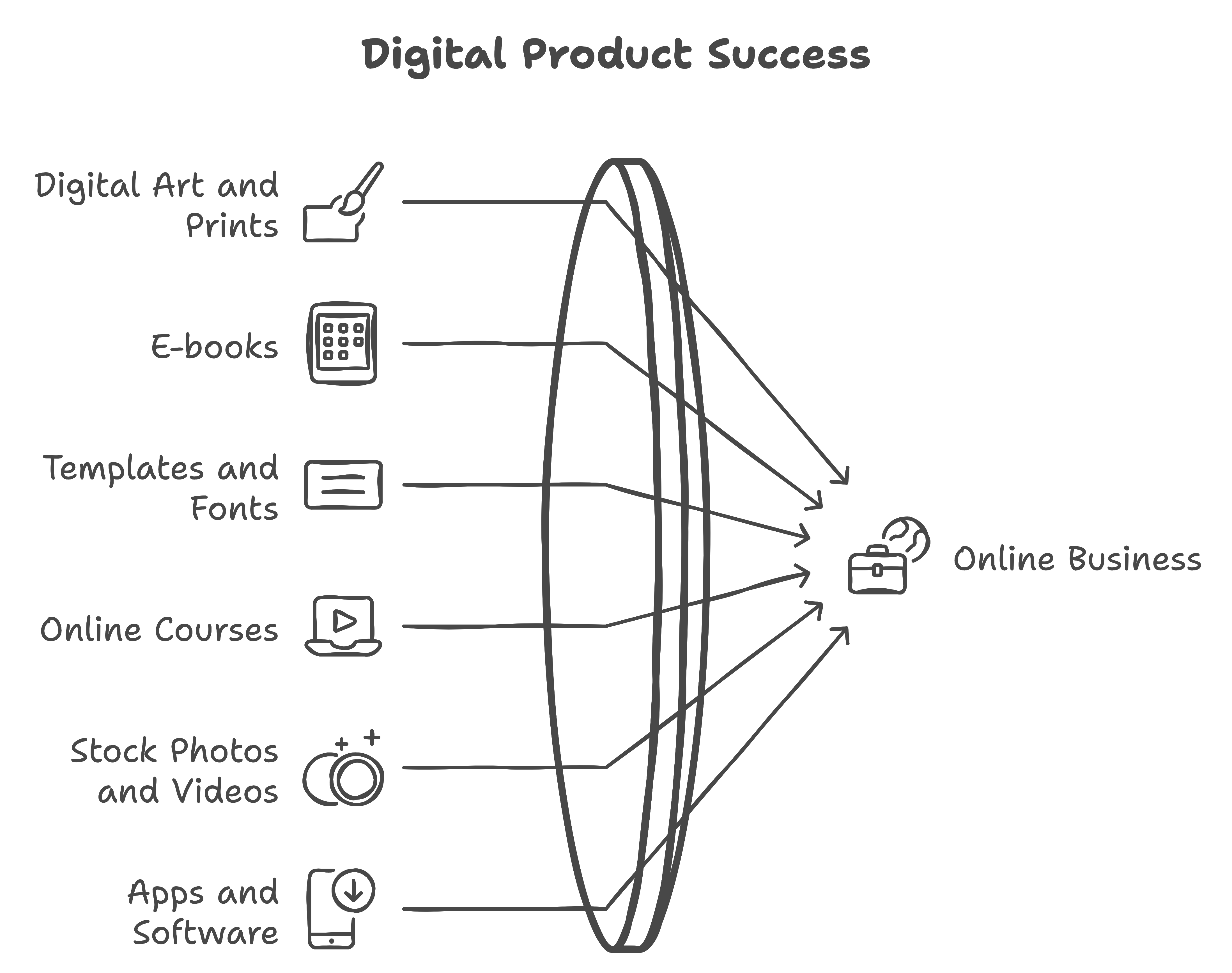
Choosing the right product is the first step to success. Here are some of the most popular and profitable digital products you can create:
- Digital Art and Prints: Perfect for artists who want to reach a broader audience without dealing with physical prints and shipping. Check out platforms like Etsy to get a feel for what sells.
- E-books: Ideal for writers, educators, or anyone with specialized knowledge to share. E-books are a great way to package valuable information. Platforms like Amazon Kindle Direct Publishing (KDP) make it easy to self-publish and reach millions of readers.
- Templates and Fonts: High in demand among businesses, content creators, and graphic designers. These products save users time and effort, making them highly appealing. Creative Market is a common marketplace for selling templates.
- Online Courses: If you have expertise in a particular field, consider turning it into an online course. This type of product often has a high perceived value, and platforms like Udemy and Teachable make it simple to reach students globally.
- Stock Photos and Videos: If photography or videography is your strength, there’s a growing market of bloggers, marketers, and businesses that need high-quality visuals. You can sell on platforms like Shutterstock and Adobe Stock.
- Apps and Software: While this requires more technical expertise, apps, and software tools—especially productivity boosters—can be incredibly lucrative.
Check out the 46 digital product ideas!
Tips for Choosing a Profitable Niche
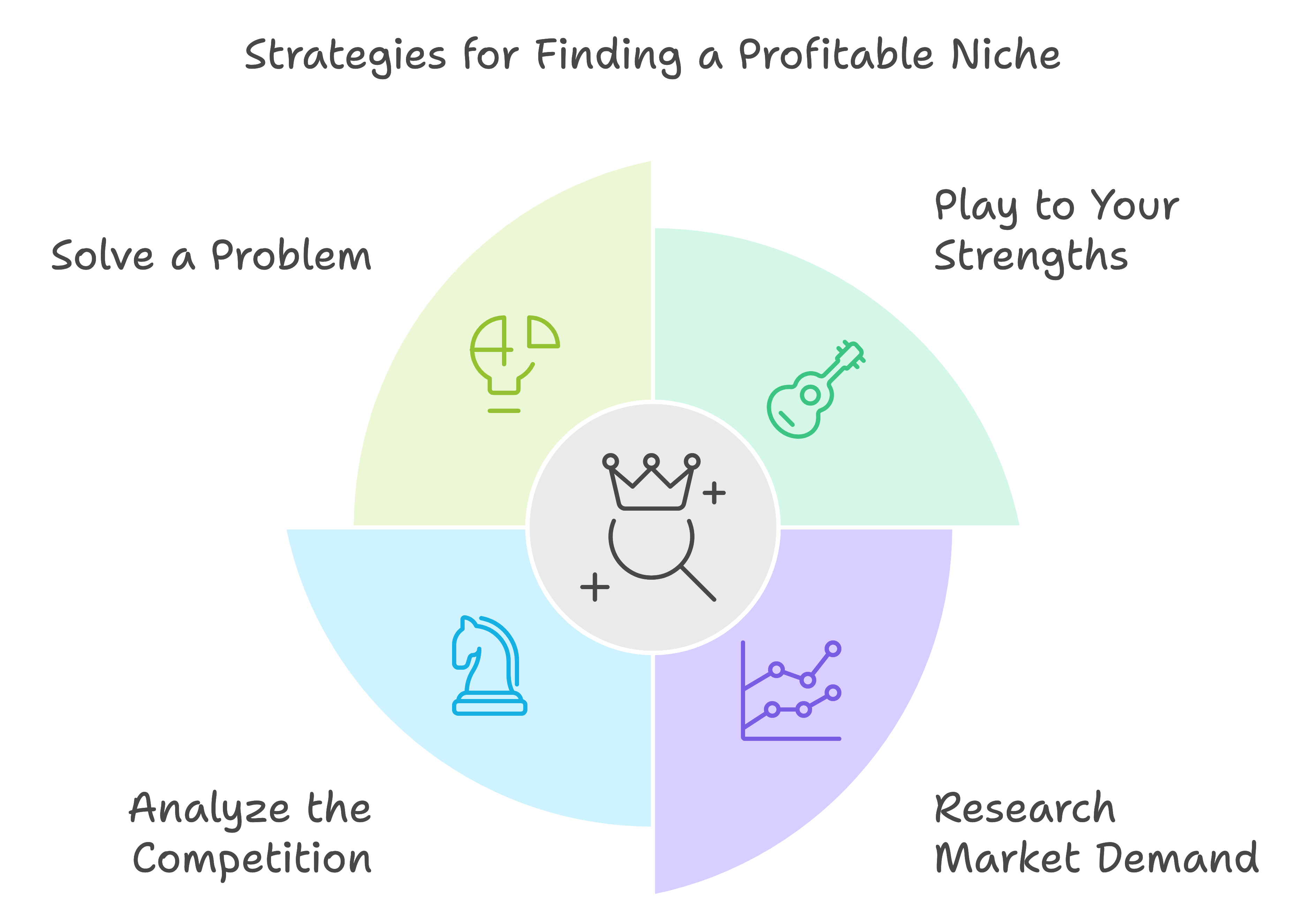
Choosing the right niche can help you break your digital product business. Here’s how to find a profitable niche:
- Play to Your Strengths: Focus on what you know best or are passionate about. This will increase the enjoyment and authenticity of the production process.
- Research Market Demand: Use Google Trends and browse popular online marketplaces like Etsy or Amazon to understand what people are searching for.
- Analyze the Competition: Check out what’s already out there. Are there gaps in the market that you could fill? Are existing products lacking in quality or innovation?
- Solve a Problem: Products that target a particular need or pain point have a higher chance of being successful. Think about what your target audience struggles with and how you can help.
Pro Tip: Consider conducting a poll of potential clients to have a better understanding of their requirements and preferences before settling on a niche.
Free Chart by Napkin.ai
Creating Your Digital Product
Essential Tools for Product Development
Creating a digital product doesn’t have to be complicated, especially with today’s technology. Here are some must-have tools to get started:
- Canva: This user-friendly platform is great for creating digital art, planners, and social media templates. It is ideal for novices due to its user-friendly drag-and-drop interface.
- Adobe Creative Cloud: If you’re ready to invest in professional-grade tools, Adobe’s suite offers advanced features for design, video editing, and more.
- Grammarly: For those working on written content like e-books or course material, Grammarly helps ensure your writing is polished and free of errors.
- Fotor: A solid choice for editing photos and creating visually stunning stock images or digital art.
Check out how to start a profitable Print-on-demand T-shirt business.
Quality Assurance and Legal Compliance
The quality of your digital product will play a massive role in its success. Here’s how to ensure top-notch quality:
- Be Consistent: Maintain a uniform style, theme, and quality throughout your product line.
- Test Your Product: Before launching, test your product on different devices and with a sample audience. Feedback from beta testers can be invaluable.
- Stay Legal: Make sure you own or have the rights to any fonts, images, or music used in your product. Provide clear terms of use and licensing for your customers.
Pro Tip: To make your products accessible and inclusive, ensure they work across different devices and formats.
Setting Up Your Digital Store
Choosing the Right Platform
Your platform can influence your visibility, costs, and ease of use. Here are some top platforms to consider:
- Etsy: A popular choice for selling digital art, printables, and creative assets. Etsy’s built-in audience can make it easier to find customers.
- Amazon KDP: The go-to for self-publishing e-books. Amazon’s massive customer base can help you reach readers quickly.
- Shutterstock and Adobe Stock: Perfect for photographers and videographers who want to sell stock media.
- Self-Hosted Options:WooCommerce: Ideal for those who already have a WordPress site and want full control over their digital store.
- Shopify: Simple to set up and great for those who want to start quickly.
Setting an Effective Pricing Strategy
Pricing your digital product can be tricky but essential for profitability. Here’s how to set the right price:
- Do Your Research: Look at similar products and their price points. This will give you a benchmark to start with.
- Create Bundles: If you have multiple products, consider offering bundle deals to encourage larger purchases.
- Consider Subscriptions: If your product has ongoing value—such as templates that are updated monthly—a subscription model can provide a steady income stream.
Marketing Your Digital Products
Building Your Brand Identity
A strong brand is key to standing out in a crowded marketplace. Here’s how to build yours:
- Share Your Story: People connect with stories. Share why you started creating digital products and what motivates you.
- Maintain Visual Consistency: From your website to your social media, keep your colors, logos, and fonts consistent.
- Unified Messaging: Ensure your tone and voice are consistent across all marketing channels to build trust.
Generating Leads and Growing Your Audience
Lead generation is crucial to make money selling digital products. Here’s how to get started:
- Use Social Media:Instagram & Pinterest: These platforms are perfect for visually showcasing your products and driving leads to your store.
- TikTok & YouTube: Create behind-the-scenes videos or tutorials showcasing your product’s features.
- Start Blogging: A blog not only demonstrates your expertise but also helps with SEO, drawing organic traffic to your site.
- Email Marketing: Collect emails and build a subscriber list to keep your audience engaged with product launches, exclusive deals, and valuable content.
- Collaborate with Influencers: Partnering with complementary brands or KOLs can expand your reach and introduce your products to new audiences.
Leveraging Paid Ads for Quick Wins
If you want to speed up your sales, paid advertising can be an effective tool:
- Facebook & Instagram Ads: These platforms allow for precise audience targeting based on interests and behavior.
- Google Ads: Ideal for capturing search intent when people are actively looking for your type of product.
- Pinterest Ads: Great for targeting a creative, project-oriented audience.
Managing and Scaling Your Digital Product Business
Providing Exceptional Customer Service
Customer satisfaction can make or break your reputation. Here’s how to manage it:
- Prompt Responses: Address customer inquiries quickly and clearly.
- Encourage Reviews: Positive reviews can significantly boost credibility and sales.
- Clear Refund Policy: While digital products typically don’t have refunds, having a policy in place helps set expectations.
Expanding Your Product Line
Growth doesn’t stop with your first product. Here’s how to scale up:
- Add Complementary Products: If you sell digital planners, consider adding task trackers or goal-setting templates.
- Explore New Formats: Video courses, webinars, and interactive content can attract new customers.
- Bundle Your Offerings: Offer existing products in themed bundles to increase perceived value and revenue.
Pro Tip: Remember to keep up with market trends and adapt your product line to meet evolving customer needs.
Using AI Tools to Streamline Your Business
AI tools can boost your productivity and simplify marketing efforts:
- For Product Creation: Canva AI and Adobe Sensei can help generate high-quality designs faster.
- For Marketing: Tools like Jasper and ChatGPT are useful for crafting engaging social media posts and marketing copy.
- For Analytics: Tools like Google Analytics and Hotjar can help you gain insights into how customers interact with your store.
Common Mistakes to Avoid
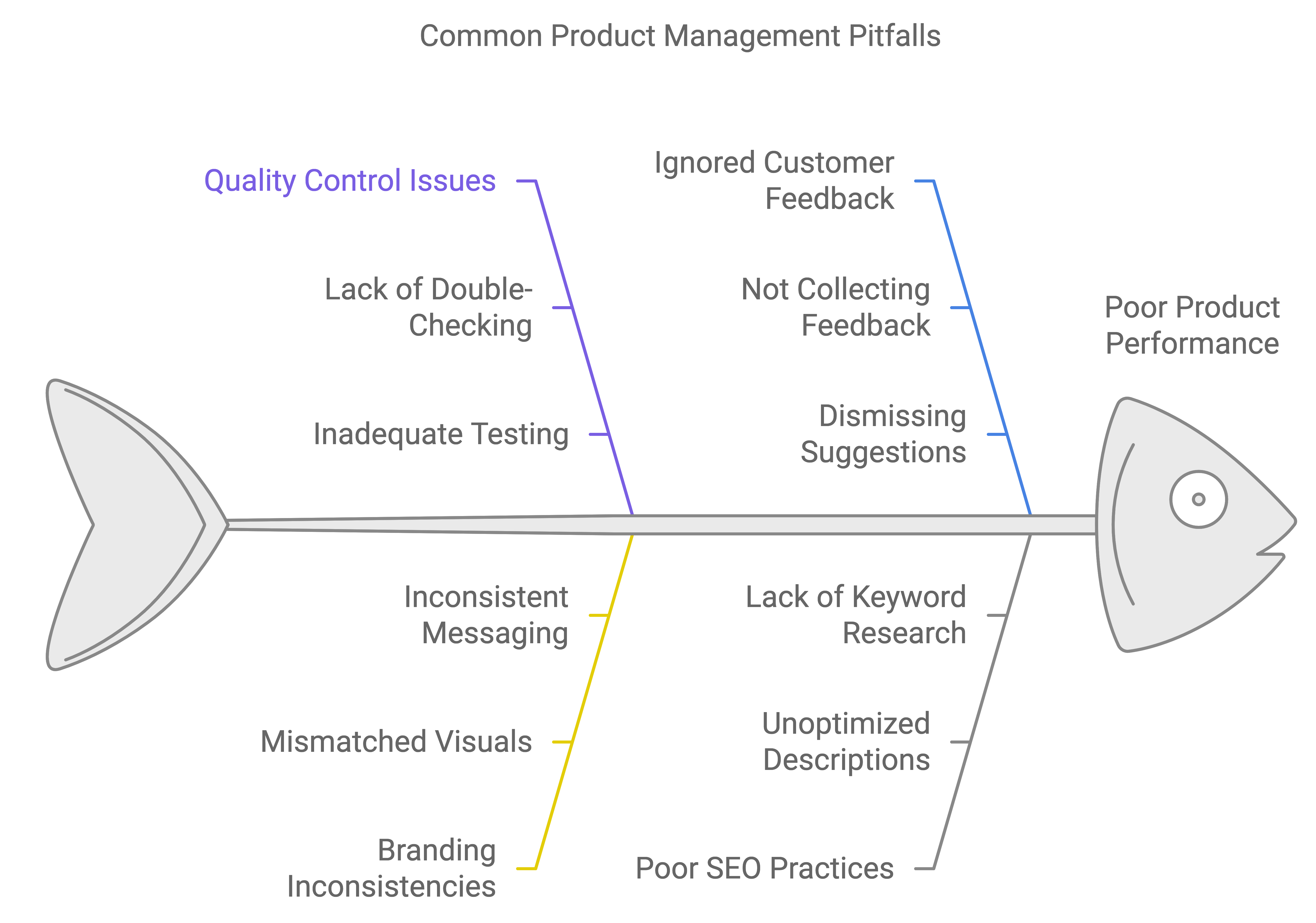
Steer clear of these common pitfalls:
- Skipping Quality Control: Always double-check your product before launch to avoid negative reviews.
- Inconsistent Branding: A mismatched brand can confuse customers and diminish trust.
- Ignoring Feedback: Customers often provide valuable insights that can help improve your product.
- Poor SEO: Not optimizing your product descriptions and website for search engines can mean losing out on organic traffic.
Pro Tip: Always prioritize customer feedback—it can guide your next product launch or update.
Free Chart by Napkin.ai
To ensure the success of your digital product business and avoid common pitfalls, take a look at this insightful article on the top 10 mistakes SaaS startups should avoid.
Conclusion
Selling digital products is an exciting and scalable way to turn your expertise into income. By choosing the right product, using the best tools, marketing effectively, and scaling strategically, you can build a successful digital product business. Remember, start small, stay consistent, and continuously improve. With the right approach, selling digital products can be more than a side hustle—it can become your main source of income.
Looking for additional ways to supplement your income while selling digital products? Check out this detailed guide on how to earn $100 a day with the Temu Affiliate Program. It's an excellent resource to diversify your revenue streams and boost your overall earnings.
So, why wait? Take that first step today and start making money selling digital products!
