
Affiliate marketing has evolved from a fringe side business to one of the most popular methods to earn money online. And it's easy to see why, given that practically everybody with a website has the opportunity to produce a significant amount of recurring cash.
In 2020, the affiliate marketing sector will be worth $17 billion. And, as the number of work-from-home solopreneurs and digital nomads grows, the future of affiliate marketing seems promising.
So you've decided to become an affiliate marketer; you've got your niche, website, and (ideally) content strategy. However, waiting for organic traffic can be time-consuming, so what can a sensible digital marketer do?
Enter the sponsored traffic sources.
There are several paid traffic sources for affiliate marketing, and we'll summarise the benefits and drawbacks of each in this piece.
Before we go into the platforms, let's look at the sponsored traffic landscape.
What is paid traffic?
Paid traffic refers to any type of website traffic purchased by advertising. For digital marketing, there are several types of bought traffic accessible, each with its own set of benefits. The most common paid traffic models are Pay Per Click (PPC) and Pay Per Thousand Impressions (CPM, or cost per mille).
However, there are additional types of compensated traffic, including:
- Pay per click (e.g., Google or Bing Ads)
- Social media advertisements (Facebook, TikTok, etc.)
- Influencer marketing
- There are more black hat strategies for exploiting web traffic, such as purchasing bot traffic or cookie stuffing. Although these are classified as bought traffic, they are considered fraudulent, thus we will not discuss them as an alternative for marketers in this post
Do you need to employ purchased traffic in affiliate marketing?
Most affiliate marketers prioritize search engine optimization (SEO) and content development to gain organic traffic. Some people prefer to focus on their social media followers or a combination of both. Because both of these can be time-consuming, bought traffic is frequently viewed as accelerating their endeavor.
In summary, you do not need to employ bought promotion to drive visitors to your affiliate marketing campaign. However, it might be helpful as part of a comprehensive content strategy.
Some affiliate marketers won't use purchased traffic.
Others will swear to it. Your niche could determine whether each convert is worth the competition or even your personal company objectives.
Some things to consider about sponsored traffic and affiliate marketing
Most organizations will have specific terms and conditions for paying for traffic to their affiliate website. Most of them are common sense or regular practice, such as:
- Do not click on your affiliate links
- Do not bid on branded keywords or specific terms that place you in direct rivalry with your affiliate
- Using fraudulent procedures, such as false traffic or cookie stuffing, is typically illegal and will probably result in a ban
- Do not attempt to duplicate the business under your affiliate banner
- Every affiliate's terms will differ, so double-check yours before running pay-per-click (PPC) advertisements or sponsored campaigns on your affiliate site
Now, let's get to the essential stuff. What are the finest paid traffic sources for increasing your affiliate earnings?
Google Ads
There aren't many greater than Google. Given its extensive global reach, high daily user count, and wide range of publishing partners, Google Ads is an obvious choice for any individual considering paid traffic.
You may access sponsored search results by using Google Ads.
However, YouTube offers many options, including video ads, Gmail banners, in-app display banners, and more.
If we were to end this list now, you would be more than content to use Google. Because of Google Ads' enormous audience reach and advertising alternatives, anything you're trying to promote will find a home here.
But it doesn't mean there aren't some drawbacks.
Even though Google likes to portray the Google Ads product as simple to use and quick to get started, there is a learning curve. You will need more time to create high-performing advertising, so you assume there are many search engine marketing companies.
Google AdWords is frequently perceived as being highly competitive and costlier. In addition to being extremely pricey, popular keywords don't even come with conversion guarantees.
Marketers are becoming more conscious of the problems associated with ad and click fraud. This is the practice of creating phony clicks on sponsored advertisements, an expensive and inefficient procedure that worsens yearly.
Notwithstanding these issues, Google AdWords unquestionably provides some of the most excellent chances for sponsored traffic at a cost that is nonetheless quite appealing to most users.
Google Ads' Pros and Cons
Pros
- Simple to set up and manage in a matter of minutes using Google AdWords
- A sizable audience—the largest available online
- An almost incomparable selection of goods, ranging from YouTube to sponsored search results and display advertisements
- Easily manage your finances to prevent overspending
- Performance Max and similar tools simplify creating and managing advertising campaigns
Cons
- Highly competitive with a large number of well-known keywords
- It is not as simple to set up and operate as you may believe
- Steep learning curve
- If you are not skilled, it might be costly.
- Roughly 90% of advertising campaigns are impacted by click fraud exposure
Facebook Advertisements
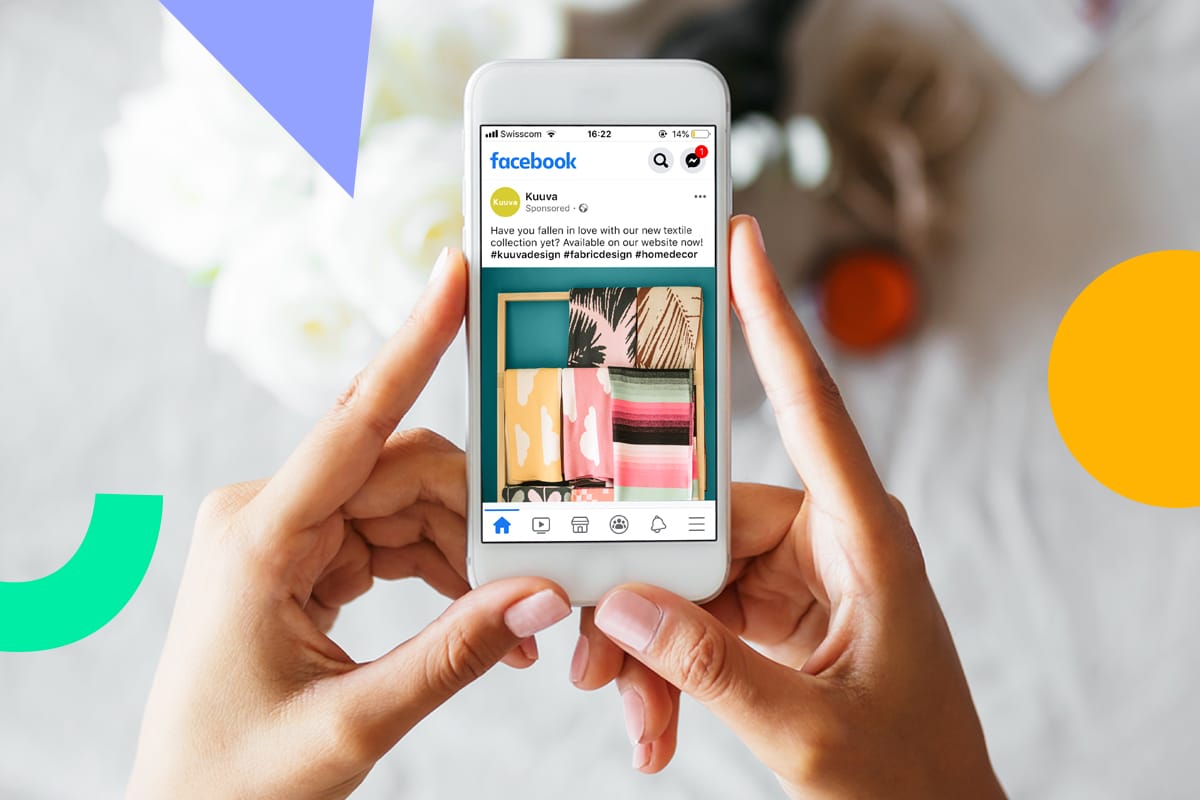
Facebook Ads (Meta now) remains one of the most excellent paid traffic sources and a fantastic digital marketing tool. Okay, so it's not as powerful as before 2020, but these digital hills still contain gold (clearly, I'm talking metaphorically).
Facebook Ads enables you to launch advertisements across Instagram, Messenger, and Facebook, encompassing various formats such as in-feed ads (for now, let's briefly highlight Instagram).
Additionally, you can market your business page by obtaining reviews and even organic likes. If an organic post performs well, you can even pay to boost it to a broader audience.
When used as a retargeting tool, Facebook can provide information in-feed to users who may have already visited your website or a rival's. It's a beneficial marketing product that practically every marketer should have in their toolbox.
However, Facebook handles practically all of the targeting itself. Although you can create your bespoke audience, Facebook will typically utilize its algorithms to choose the perfect target audience for you.
However, some people think Facebook is a little out of date. Given the popularity of Gen-Z on TikTok and millennials on Instagram, Facebook is frequently viewed as the contentious uncle at the dinner table. This perception may stem from some of the numerous scandals that have dogged the now-named Meta corporation.
By restricting tracking on iOS devices, Apple also delivered a severe blow to Facebook's ability to target operating system users. Indeed, it has produced a result.
What about fictitious traffic? That is a problem here as well, yes. It's estimated that 90 million Facebook profiles are fraudulent, impacting sponsored advertising efforts.
Facebook Ads' Pros and Cons
Pros
- Having access to one of the largest social media platforms (in addition to owning another one)
- Engagement and originality are abundant in in-feed advertisements, particularly visual or video-based ones
- Possibilities to enhance posts or advertise a corporate page Excellent for remarketing and retargeting campaigns
Cons
- Targeting iOS/Apple consumers has resulted in devastating issues
- Concerns about Facebook's data handling practices are shared. Younger viewers are shifting their attention to alternative social networking sites
- Facebook Ads are likewise plagued by fake traffic
Instagram Ads
The social media behemoth also owns the second-largest social media network, Meta (third if you exclude YouTube). Instagram has emerged as a leading option for affiliate marketing.
Naturally, growing your following and publishing frequently on Instagram is the best approach to obtaining a steady flow of visitors to your website. Instagram is now a major component of most organizations' content marketing strategies. However, like most organic things, it can take a long time. Instagram Ads are a helpful tool in this situation.
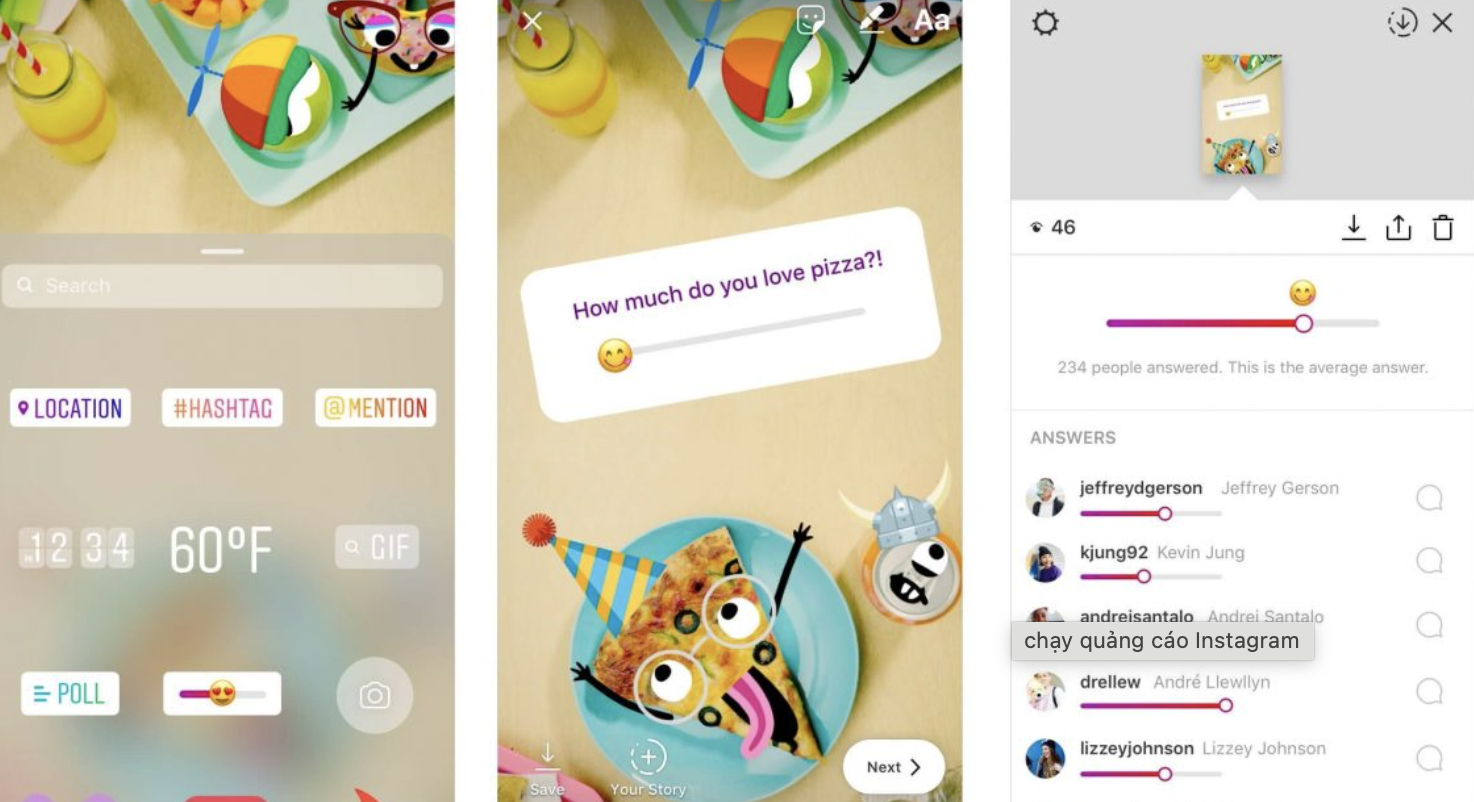
Instagram advertising provides a variety of display possibilities, including product carousels, videos, and other in-feed postings.
Additionally, even though Instagram makes it harder to include links to outside websites in organic postings, you may still do so and increase traffic by using paid advertisements.
Additionally, Instagram allows affiliate creators to create storefronts. This means that you may set up your store right on the platform and drive people there if you're selling a certain kind of goods.
Even while it's free to put up the shop, you'll probably need to use Instagram paid advertisements to advertise it.
What drawbacks are there to employing Instagram Ads, you ask? Well.
Instagram is a picture-based site so people won't see your call to action or ad language. Good-looking products should do well, but ads that require context and substance may need to step up to achieve the desired level of engagement.
Instagram has also been impacted by the Facebook iOS upgrade, which means Instagram advertisers will experience less accurate targeting.
Approximately 10% of Instagram users are believed to be phony, raising concerns about fake interaction and bot accounts.
The small Instagram audience is yet another problem. With over 2 billion accounts, the audience is enormous, yet the bulk of users are between the ages of 18 and 34. Because of this, Instagram is ideal for attracting millennials and Gen-Z customers, but it won't work as well for senior citizens.
Instagram Ads' Pros and Cons
Pros
- Certain products can benefit significantly from strong visual appeal.
- An additional fantastic advantage of affiliate marketing is building a storefront
- Good range of advertisements, including stories, reels, and in-feed posts
- Increase traffic to your website by adding links to it using Instagram Ads
Cons
- The iOS 14 update impacts Instagram tracking and targeting of Apple users
- Text-based advertisements may not function as well
- The audience is smaller than with Facebook Ads
- Having TikTok as a rival for market share
TikTok Ads
The rise of TikTok must be considered in any list of sponsored traffic sources. TikTok went viral when the Covid pandemic hit in 2020, and we were all cooped up and looking for something to amuse ourselves. In 2021, TikTok reportedly surpassed Google as the most used search engine, according to stories that began to surface.
TikTok is still a strong choice for marketing to its incredibly engaged audience, even though it has yet to overthrow the search engine juggernaut.
At the moment, only sponsored reels are available for TikTok advertisements, which is a pretty small selection. As a result, you'll mostly concentrate on mobile video advertising, which is TikTok's most engaging content type.
TikTok offers fewer ad types than Instagram. Additionally, the user base is more restricted, with most users under 30 and the majority under 20.
Given its underdog position, one might also presume that TikTok is less expensive than Instagram. Nonetheless, most reports indicate that TikTok Ads costs around the same as Facebook's competitor, if not a little more.
TikTok Ads' Pros and Cons
Pros
- Popular platform with a steadily increasing user base
- Excellent for focusing on the Gen-Z and Millennial (under-30) demographics
- It is straightforward to partner with influencers on the network and easily create your own branded channel. Great for campaigns involving videos and other visual media
Cons
- There are fewer options for ad formats than competitors' Instagram
- No option to shop
- Fewer followers and a smaller reach than Instagram
- Pricing is comparable to competitors
Native Ads
Affiliate marketers now frequently use native advertising to draw attention to their offerings. These sponsored advertisements are made to resemble original material, which is typically seen in news stories or well-known blogs.
Why, then, do affiliates use native ads?
To begin with, websites that display native advertising are typically busy, meaning that many people will see your material.
Second, native advertising is usually not too expensive. You can obtain much exposure for your money because they often operate on a CPM (impression-based) approach.
Naturally, this implies that you must produce exciting content to get those clicks and impressions. Native advertisements tend to be more informational and educational, so they may be helpful for things requiring more explanation. Yes, you can use text and other forms, like photographs and videos.
According to statistics from Taboola, native ads may result in higher click-through rates than display ads.
For businesses whose access to PPC advertisements is restricted or prohibited, native advertisements are another well-liked choice—for instance, adult items, gaming, or CBD.
Although several ad networks can serve native advertisements, Taboola is the most widely used one. Other alternatives include RevContent, Yahoo Gemini, Outbrain, and Nativo.
What drawbacks does Native Ads have, then?
Advertisers have less control over ad optimisation and targeting. Generally, ads are displayed on the websites of the publishing partners, and it might be challenging to identify the most effective placements.
Additionally, the quality of traffic can vary, with some websites—even those owned by well-known and well-liked publishers—having a lot of phony traffic.
For advertisers, creating content for native ads can also be more difficult and complex. It takes more than crafting a blog post to achieve the desired results. To increase your conversions from these ads, you'll need to know when and where to include a call to action (CTA), what headlines will entice clicks without appearing overly promotional, and how to build and construct an effective landing page.
Native Ads' Pros and Cons
Pros
- Ideal for goods that require clarifications or information to increase conversion rates
- Getting visitors from high-volume publishing sites to your material can be beneficial.
- A practical advertising choice for niche markets
Cons
- It's more challenging to target and track data than with Google
- Some consider native advertisements to be misleading or clickbait spam
- The quality of the traffic may need to meet your expectations
Influencer Marketing
Collaborating with influencers has gained popularity for brands to increase their exposure. Additionally, gaining visibility and even some website traffic may be a reasonably inexpensive strategy.
Some influencers may include your goods in their articles for less than $200, while others may do it in exchange for freebies. Of course, it depends on your product, the size of your audience, and a host of other variables.
However, influencer marketing can be profitable as a low-cost marketing tactic. It fits under the social media marketing category because most influencers use social media. Ultimately, they will discuss your goods on YouTube or Instagram, but some may include you in their website content.
Furthermore, studies show that over half of users on most social media sites have purchased after seeing an influencer's recommendation. In actuality, 71% of TikTok users fall into that category!
What terrible news, then?
Monitoring traffic or conversions resulting from your influencer connection can be challenging. If they don't utilize a custom URL, which is an option, you may be unable to determine the actual effectiveness of this paid traffic strategy.
Additionally, a significant portion of influencers' following are false. Yes, even the most well-known influencers have between 20 and 40 percent phony followers on social media. Smaller influencers might boost their fees based on erroneous analytics, although this might be fine if you receive real traffic.
Influencer Marketing's Pros and Cons
Pros
- The possibility of being seen by a large audience
- Boosts your social media growth
- Modern consumers value "social proof," and influencers are a great source
- Can be reasonably priced in the appropriate partnership and location
Cons
- Monitoring the success of influencer marketing programs can be challenging.
- It's challenging to confirm the influencer audience's caliber
- Influencer partnerships can have transient benefits
- The influencer's reach determines the size of the audience
Conclusion
Think about who you are speaking to. Younger customers prefer social media, whereas a B2B audience may require a different strategy.
Is your marketing informational or visual? Do you want to educate your audience or elicit an "I want that" response from them? Paid search, display, or native ads are better for educating your audience than social media for visual campaigns.
How do your rivals compare? Other traffic sources might be beneficial in gaining an advantage over your competitors because bidding on high-value keywords on Google Ads can grow pricey.
However, the best way to expand your audience is to employ multiple marketing platforms regularly.
Take good care of your finances. Much of your company's budget may go toward paid traffic sources.
Fake traffic, including click and ad fraud, can be enormously wasteful; on average, it costs advertisers 14% of their PPC expenditure. Take precautions!
