



The world is changing quickly. Digital products are leading this shift. They are cheaper to create, easy to scale and offer endless potential. Selling digital products can transform your finances. This guide breaks it down step-by-step. You’ll learn to start with a freebie and launch a paid product. Plus, you’ll discover how AI tools can help you grow faster.
Are you just starting out? Or do you want to grow your business? This guide will show you how to succeed with digital products. It focuses on affiliate marketing and social development. Let’s dive in!
Why Digital Products Are the Future
Before we get to the "how," let’s look at the "why." Digital products have many advantages over physical ones. Knowing these will help you focus on what works best.
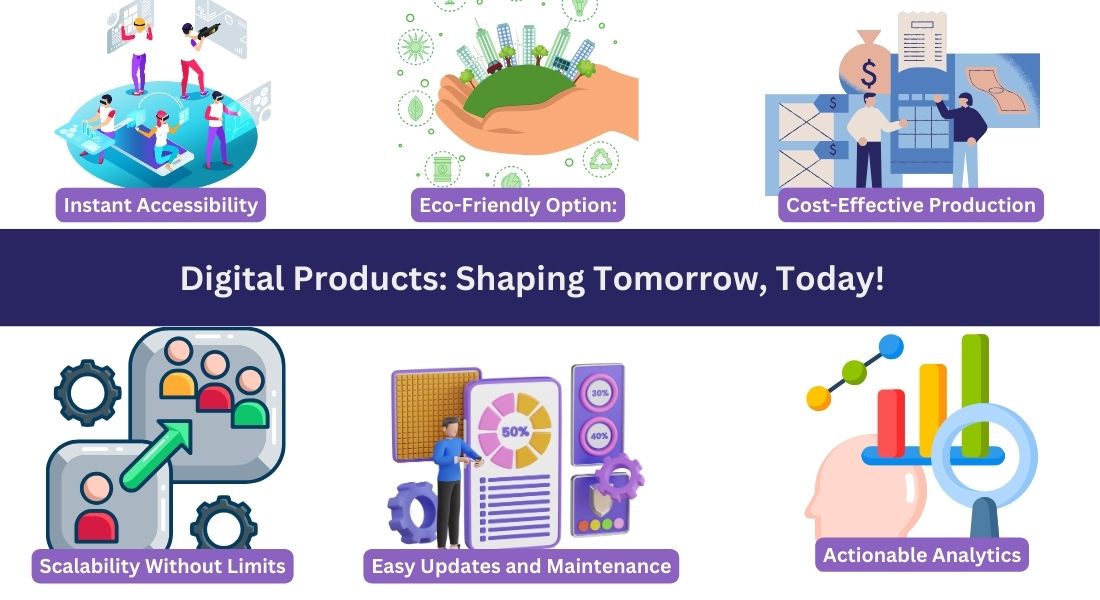
Digital Products: The Clear Winner
1. Cost-Effective Production:
Unlike physical products, there are no manufacturing, storage, or shipping costs. Once created, your digital product can be sold repeatedly without additional expenses.
2. Instant Accessibility:
Customers can download your product instantly. This makes them happy and cuts down wait times.
3. Scalability Without Limits:
Digital products let you reach thousands or even millions of customers. You can sell 1 copy or 1,000 with the same effort. There are no extra production costs.
4. Eco-Friendly Option:
Digital products offer a low-carbon solution with no physical waste in a world focused on sustainability.
5. Easy Updates and Maintenance:
A digital product can be updated, enhanced, or corrected quickly without costly recalls or logistics.
6. Actionable Analytics:
Platforms like Gumroad or Kajabi provide in-depth analytics, enabling you to understand your audience and optimize your strategies.
Physical Products: Why They Fall Short
- Higher production and logistical costs.
- Limited scalability due to reliance on supply chains.
- Difficulty in making updates or customizations post-production.
The verdict? Digital products are the way to go if you want to scale fast.
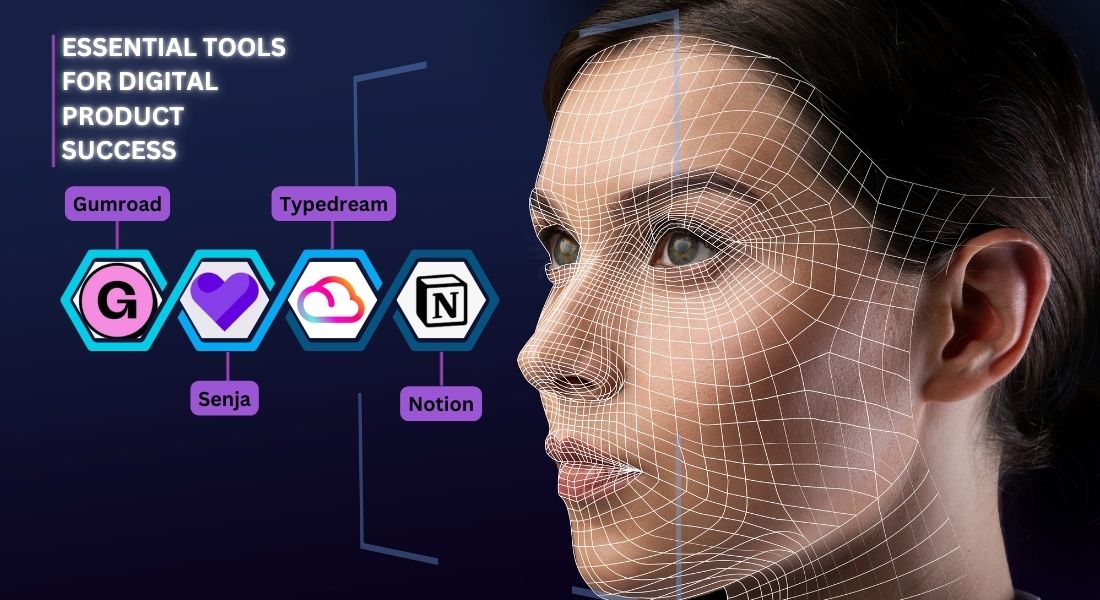
Step 1: Essential Tools for Digital Product Success
You don’t need to be a tech wizard to start building digital products. You can streamline creation, hosting, and sales with the right tools.
Top Tools to Consider
A beginner-friendly platform for selling and distributing digital products. It handles payments, downloads, and even essential marketing for you.
Showcase customer testimonials effortlessly, boosting trust and conversions.
A no-code website builder perfect for creating sleek, high-converting landing pages.
Organize your workflow, brainstorm ideas, or even create Notion templates as a product.
These tools form the backbone of your digital product business, ensuring you focus on creativity rather than technical details.
Step 2: Getting Started
2.1 Digital Products vs. Physical Products
By now, you’ve seen why digital products are a game-changer. The next step is identifying your niche and understanding where digital products work best.
2.2 Best Niches for Digital Products
Not all niches are equally profitable. Focus on these evergreen areas to maximize your chances of success:
- Health
- E-books on fitness routines.
- Meal planning templates.
- Online mental health workshops.
- Wealth
- Guides on starting online businesses.
- Financial planning spreadsheets.
- Stock market education courses.
- Relationships
- Dating and communication skills training.
- Parenting guides.
- Relationship counselling resources.
Each niche addresses universal human needs, ensuring a steady demand for products.
Step 3: Creating a Freebie
Your freebie is your entry point to building trust and growing an audience. Think of it as a small taste of the value you’ll provide with your paid products.
Examples of Freebies
- E-books: Short guides that solve a specific problem (e.g., “10 Steps to Launching Your First Digital Product”).
- Templates: Ready-to-use Notion templates, design assets, or workflow organizers.
- Mini-Courses: A quick 30-minute course introducing your audience to a topic.
- Webinars: Live or recorded sessions offering actionable advice.
Step 4: Launching Your Freebie
Once you’ve created your freebie, it’s Time to promote it and start building your email list.
The Playbook for Launching Your Freebie
- Host Your Product: Use platforms like Gumroad to upload and distribute your freebie.
- Design a Landing Page: Ensure your page is simple, straightforward, and enticing. Tools like Typedream make this easy.
- Promote on Social Media: Share Instagram stories or posts announcing the freebie. Example:
- “🎉 I’m giving away my [freebie name] to the first 100 people who DM me! Don’t miss out!”
- Engage and Deliver: Respond to everyone interested and send them the freebie.
- Repeat Weekly: Promote consistently, as repetition builds awareness and trust.
Step 5: Scaling Your Audience
How to Scale
- Double down on what works:
- Analyze which content performs best and create variations of it.
- For example, create 10 more with similar messaging if an Instagram Reel goes viral.
- Consistently share your freebie: Mention it in emails, social posts, and even collaborations.
- Grow your email list: Use freebies to bring more people into your funnel.
Step 6: Launching a Paid Product
When your audience loves your freebie, it’s Time to monetize. The key is to provide even more value with a premium product.
How to Build Your Paid Product
- Start with a proven idea: Create an expanded version with added depth and bonuses if your freebie is popular.
- Host your product: Use platforms like Kajabi, Podia, or Gumroad for seamless sales and delivery.
- Build a community: Platforms like Discord let paid members interact, ask questions, and get exclusive access.
- Price strategically: Research your niche to find a competitive yet profitable price point.
Step 7: Mastering the 80/20 Rule
Marketing can feel overwhelming, but the 80/20 rule simplifies it. Here’s how to balance value and promotion effectively:
The 80/20 Playbook
Provide Value 80% of the Time:
- Share helpful content, tips, and additional freebies.
- Build trust by consistently delivering value.
Promote 20% of the Time:
- Email sequence: Send three valuable emails, then promote in the fourth.
- Social media: Post five educational or inspiring posts, then one promotional.
- Stories: Offer four helpful tips, then promote your paid product in the following story.
Bonus: Leveraging AI Tools
AI tools can make this entire process more efficient:
- Use ChatGPT for content ideas, outlines, or email drafts.
- Design stunning visuals with Canvas AI tools.
- Automate workflows using Zapier.
Struggling to Create Your Own Digital Product? Try This Instead!
Not everyone has the time or expertise to build a digital product from scratch—and that’s okay! 🎯 With our PLR (Private Label Rights) products, you don’t need to start from zero.
✅ Get ready-made resources like AI Mastery Guides, Sales Strategies, and Traffic Magnets.
✅ Customize them to fit your brand.
✅ Start selling or using them instantly to grow your business!
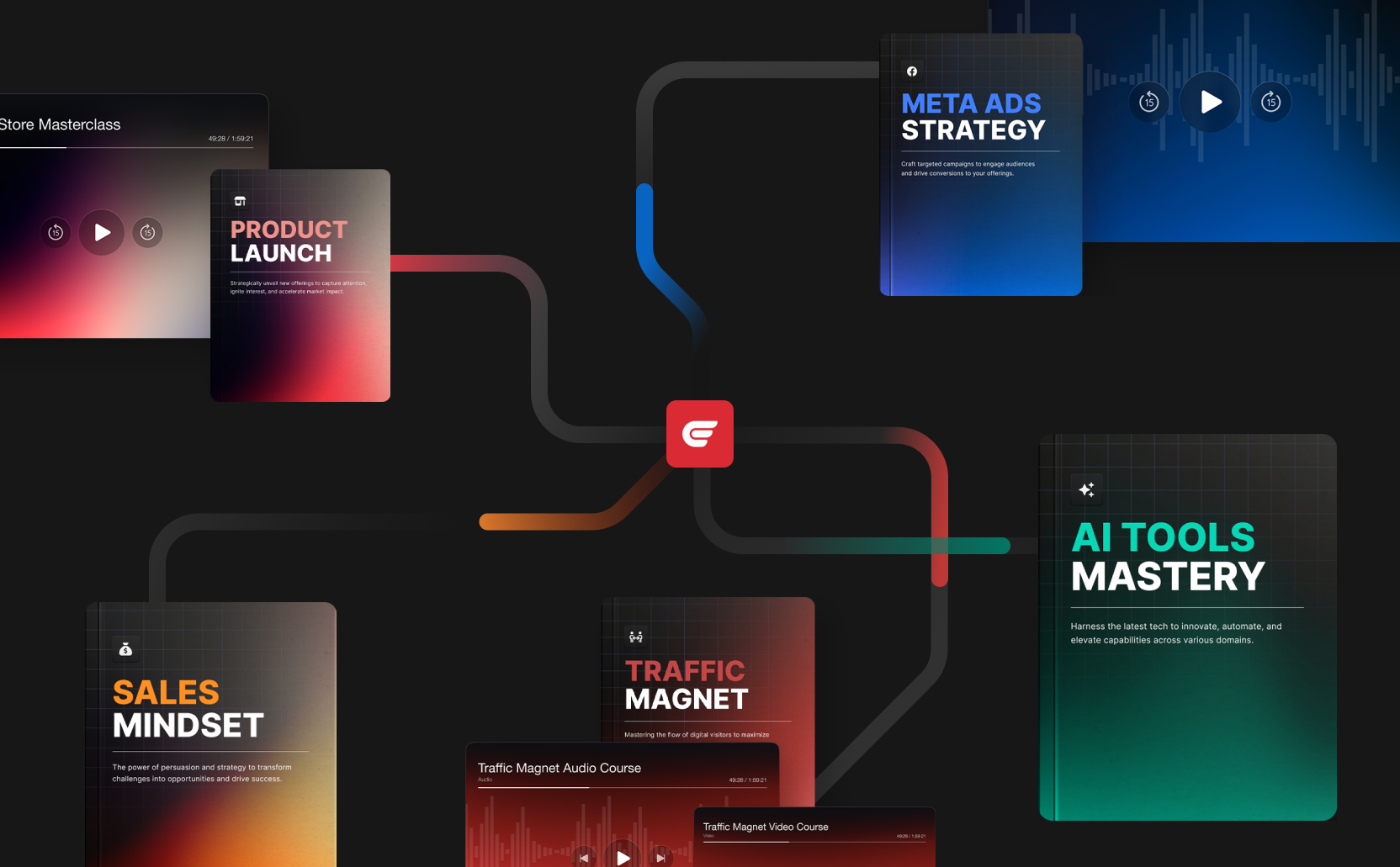
👉 Click Here to Explore PLR Products Now and start scaling today!
External Resource
Want more tips? Check out Gumroad’s beginner guide to start selling digital products effortlessly.
Following this digital product playbook will teach you how to leverage AI tools, grow your audience, and create scalable income streams. Start today, and watch your business thrive! 🤑
