






Introduction
Comprehensive literature reviews are a cornerstone of academic research yet often demand considerable time and effort. Fortunately, AI tools for literature review automation have emerged, streamlining this process and enhancing research efficiency. This article explores leading AI-powered tools that assist in automating literature reviews, helping researchers navigate extensive academic content effectively.
Why Use AI Tools for Literature Reviews?
Integrating AI in academic research offers several advantages:
Comprehensive Coverage: AI tools can uncover literature gaps, providing a holistic view of the research landscape.
Efficiency: AI algorithms can swiftly analyze vast datasets, identifying pertinent studies and summarizing key findings.
Accuracy: AI ensures a more precise literature synthesis by minimizing human error.
Top AI Tools for Automating Literature Reviews
1. Wisio
A New Frontier in Literature Review Automation
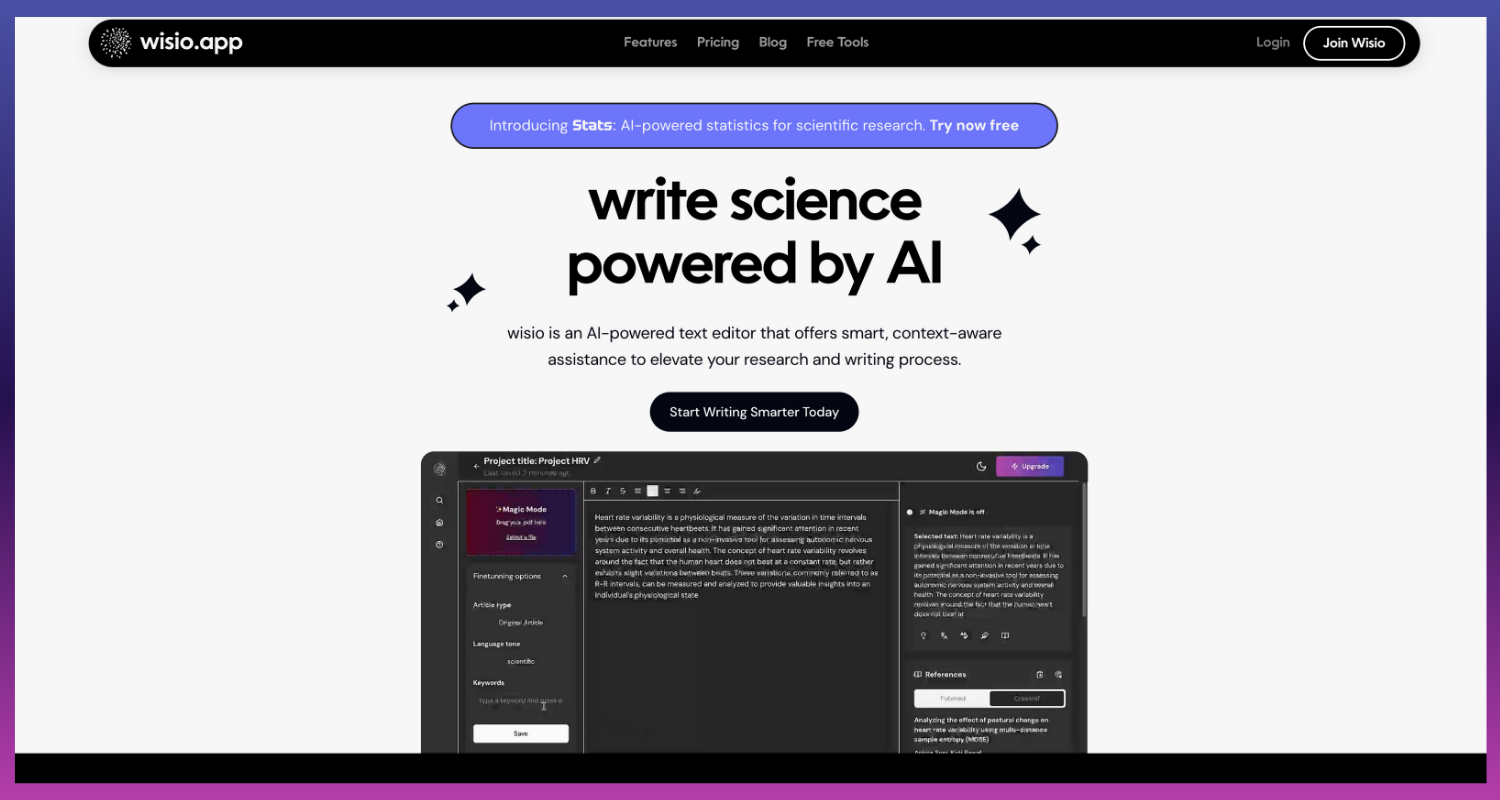
Although relatively new to the scene, Wisio stands out for its potential in academic writing support. It's designed to assist researchers by providing a platform for them to easily set up and manage their literature review projects.
How Wisio Works
Users can start new projects on Wisio by simply entering their topic and specifying the type of review they need, such as a systematic review. The tool offers functionalities like grammar correction, language translation, and reference management, making it especially beneficial for ESL students.
The Growing Capabilities of Wisio
Despite its nascent stage, Wisio is continuously improving, with upcoming features that promise to make it an even more powerful tool in the academic toolkit.
2. Jenni.ai
Effective Literature Review Creation
Jenni.ai is celebrated for its ability to craft detailed literature reviews automatically. This tool excels at generating coherent and contextually accurate content that significantly reduces the writer's workload.

User-Friendly Interface and Features
One of Jenni.ai's outstanding features is its user interface, which allows for real-time content generation and easy adjustments. The chat feature enables users to request specific actions, like creating section headings or performing document analysis, similar to interacting with a human assistant.
Innovative Research Tool
OpenRead may be newer and less tested than its counterparts, but it shows immense promise with its unique features tailored for academic research.
Special Features of OpenRead
The 'paper espresso' feature is particularly noteworthy. It summarises lengthy papers quickly and effectively. This tool also allows researchers to easily scan and annotate papers, making it invaluable for those who need to manage a large repository of documents.
3. OpenRead
Innovative Research Tool
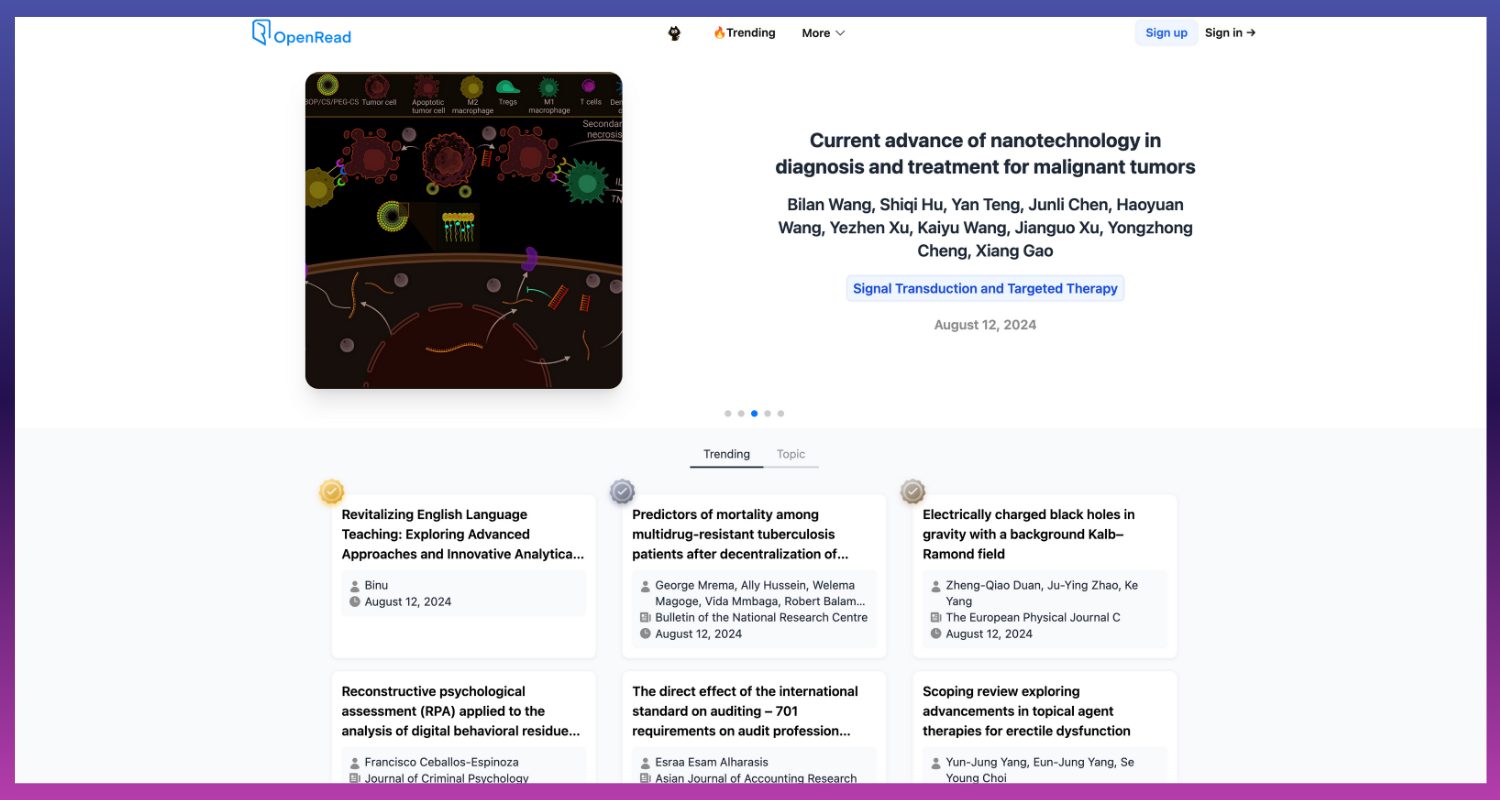
OpenRead may be newer and less tested than its counterparts, but it shows immense promise with its unique features tailored for academic research.
Special Features of OpenRead
The 'paper espresso' feature is particularly noteworthy, summarizing lengthy papers quickly and effectively. This tool also allows researchers to easily scan and annotate papers, making it invaluable for those who need to manage a large repository of documents.
Comparing AI Tools for Literature Review
Choosing the right AI tool for automating literature reviews depends on specific needs such as ease of use, features, and the level of automation required. Below is a detailed comparison table that outlines the key features, advantages, and potential limitations of Wisio, Jenni.ai, and OpenRead:
| Feature | Wisio | Jenni.ai | OpenRead |
| Launch Year | 2022 | 2021 | 2023 |
| User Interface | Intuitive, easy navigation | User-friendly, real-time editing | Simplistic, quick paper scanning |
| Main Features | Systematic review setup | Auto content generation | 'Paper espresso' summaries |
| Grammar correction | Chat feature for live assistance | Rapid document scanning | |
| Reference management | Citation and reference tools | Annotation features | |
| Special Capabilities | Language translation | Advanced content customization | Integration with academic databases |
| Ideal for | Beginners and ESL students | Advanced users requiring comprehensive reviews | Researchers managing large volumes of papers |
| Cost | Free with limited features, | Subscription-based | Free beta, future pricing TBD |
| subscription for advanced tools | |||
| Strengths | Great for starting and organizing reviews | Efficient in creating cohesive reviews automatically | Excellent for quick literature assimilation |
| Limitations | Still developing some features | Cost may be prohibitive for some | Less tested, may have stability issues |
Comparing AI Tools for Literature Review
Making the Right Choice
When deciding between these tools, consider the following:
- For Beginners: Wisio is highly recommended for those new to conducting literature reviews due to its simplicity and supportive features.
- For Advanced Users: Jenni.ai is best suited for users who need robust automation and assistance in generating comprehensive review content.
- For Quick Reviews and Scans: OpenRead is ideal if your primary need is to quickly scan and summarize a large amount of academic material.
Check out our related article: For more insights on enhancing your research paper writing, visit our detailed guide on the Top 6 Best AI for Research Paper Writing You Need to Know. Discover how AI can streamline your writing process and elevate your academic work!
FAQs About Literature Review Automation Using AI
What are the best AI tools for literature review?
- Leading tools include Wisio, Jenni.ai, and OpenRead, each offering unique features tailored to research needs.
How does AI assist in academic research?
- AI facilitates academic research by automating data extraction, managing citations, summarizing extensive texts, identifying research gaps, and streamlining the literature review.
By leveraging these AI tools, researchers can navigate the complexities of academic literature more effectively, paving the way for innovative and impactful research outcomes.
Conclusion
Incorporating AI tools for literature review automation can transform the research process, making it more efficient and thorough. By selecting tools that align with your research objectives, you can enhance the quality and speed of your literature reviews. Ready to revolutionize your academic research process with the latest AI tools? Explore our comprehensive guides and exclusive content on AI tools for literature reviews at AI Journey's AI Academy. Dive deeper into how these innovative technologies can streamline your studies and enhance your academic output. Subscribe to our newsletter today for more insights and updates on AI applications in academia and beyond!
