



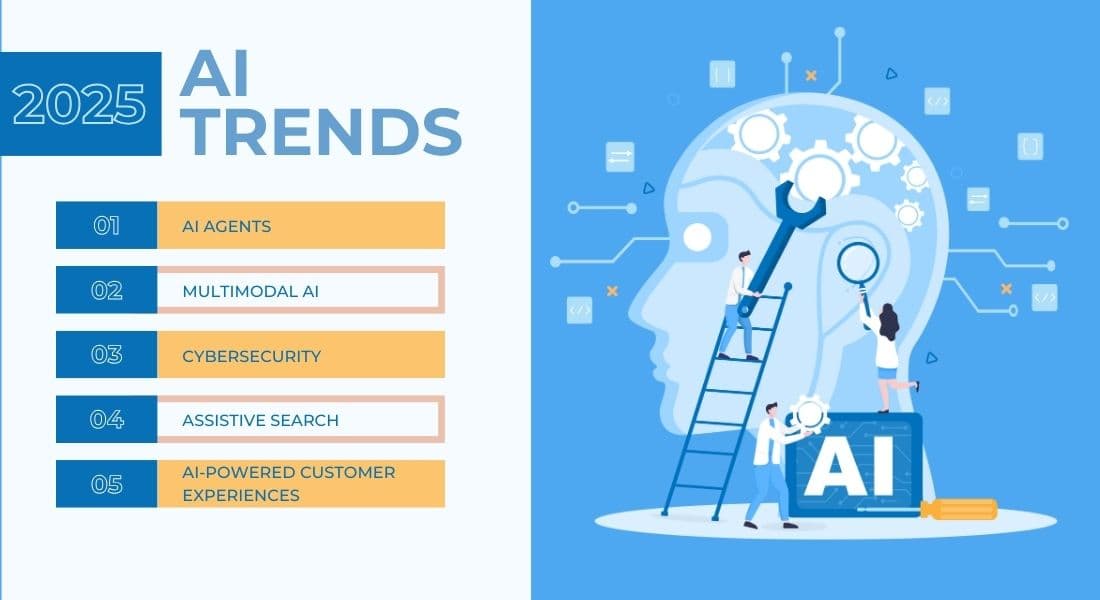
AI is no longer just a buzzword—it’s a game-changer for businesses everywhere. From optimizing workflows to enhancing customer experiences, AI continues to push the boundaries of possibility. The AI trends for 2025 show practical tools like multimodal AI, AI agents, and AI for cybersecurity are set to redefine how we work.
If you're looking to stay ahead, this guide is packed with actionable insights to help you make the most of AI in 2025.
I. The New AI Landscape: Where Practicality Meets Impact
The AI game is changing. Companies aren’t just experimenting with flashy tech anymore—they’re using practical AI applications to solve real problems, speed up business processes, and elevate the customer experience. The new focus is clear: efficiency, accessibility, and results.
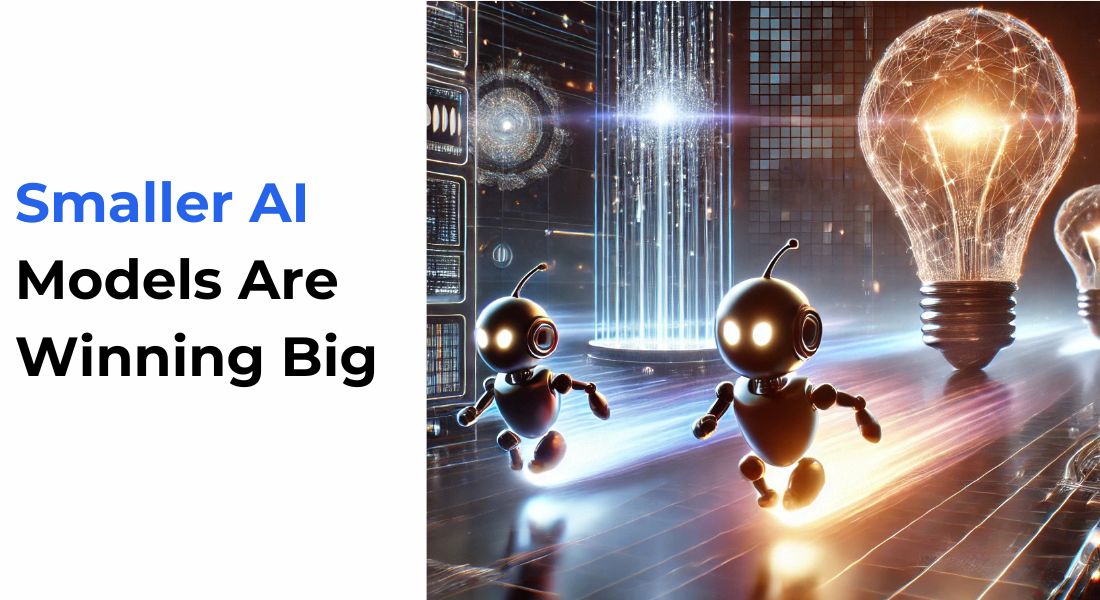
1.1. Smaller AI Models Are Winning Big
Why chase massive, expensive AI models when smaller solutions get the job done? Today’s smaller AI models are built to handle specific tasks with precision. They’re faster, cheaper, and scalable, making them a perfect choice for businesses of any size.
- Efficiency Hero: These models don’t chew through resources like their oversized counterparts, making them ideal for everyday hardware like laptops or smartphones.
- Accessible Power: Want cutting-edge AI that won’t break the bank? Open-source models like DeepSeek R1 deliver impressive performance comparable to big players like OpenAI—without hefty price tags or data privacy concerns.
Pro Tip: Start small. Deploy compact models for specific tasks and scale them as your business grows.
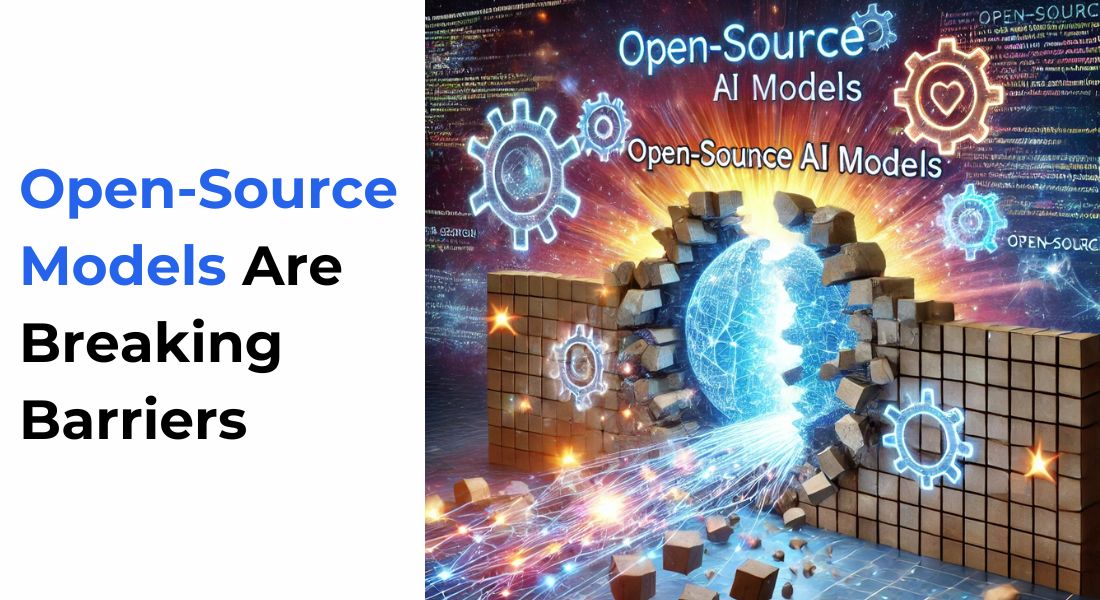
1.2. Open-Source Models Are Breaking Barriers
Open-source tools are rewriting the AI rulebook. They’re bringing AI to businesses that don’t have the budget—or need—for massive systems. These solutions offer something big models can’t always match: flexibility.
- Use them locally, with no need for internet or external servers.
- Adapt and refine them to fit your business needs.
Want the best without building from scratch? Open-source is your gateway.
1.3. Smarter Hardware, Smarter Choices
AI isn’t just about the software—it’s about the hardware powering it. The industry is moving beyond reliance on GPU-heavy setups to more tailored, smarter hardware that matches specific needs.
- Specialized systems cut costs and scale better while boosting AI efficiency for smaller models.
- With inference time compute, AI can take extra time to process tasks, improving accuracy without completely retraining the system. Think of it as a brain pause for sharper results.
Key Insight: The right hardware saves time, energy, and money. Invest in infrastructure that fits your goals, not outdated systems.

1.4. Why Smaller and Smarter Is the Future
Big, flashy AI systems are losing steam. Companies now prioritize smaller, more adaptable tech that’s affordable and effective.
- Smaller AI models and open-source AI tools are making innovation accessible to all businesses—not just the big players.
- Smarter hardware options pair perfectly with today’s leaner models, offering high-value performance without high budgets.
Takeaway: Focus on solutions that save you time, reduce costs, and deliver meaningful results. The right AI tools help your business grow—and they don’t have to be massive to make a big impact.
Final Thought: The path forward is practical. Smaller models, open-source tools, and optimized hardware are shifting the AI landscape, letting businesses of all sizes compete smarter, not harder.
II. Top AI Trends for 2025
Here are the biggest game-changers shaping the future of AI in business.
2.1. AI Agents — Automating with Intelligence
What are AI agents?
These are advanced systems that “think” and adapt, moving beyond basic automation. They can simplify complex problems into clear plans and use different tools and databases to reach their goals.
How businesses benefit:
We're no longer just using simple chatbots. Now we have more complicated systems with many independent agents that work together. In other words, AI can handle complicated tasks, run businesses automatically, and help people who work there.
Take Waymo’s self-driving cars, for example. These multi-agent systems use real-time collaboration to operate efficiently. It’s no surprise that over 80% of executives are considering AI agents for workflow optimization and AI for customer support. They’ve become essential for staying on top in competitive industries.
Real-World Applications
Think of AI agents as a 24/7 personal assistant. They can plan trips, manage schedules, or automate tasks, saving you valuable time. For example, instead of using multiple apps to book a trip, you could ask an AI agent to create an itinerary and handle all the bookings.
Several major tech companies are investing heavily in AI agents:
- Google is developing "Project Jarvis"
- Salesforce is working on "Agent Force"
- Nvidia anticipates having 100 million AI agents in a few thousand days
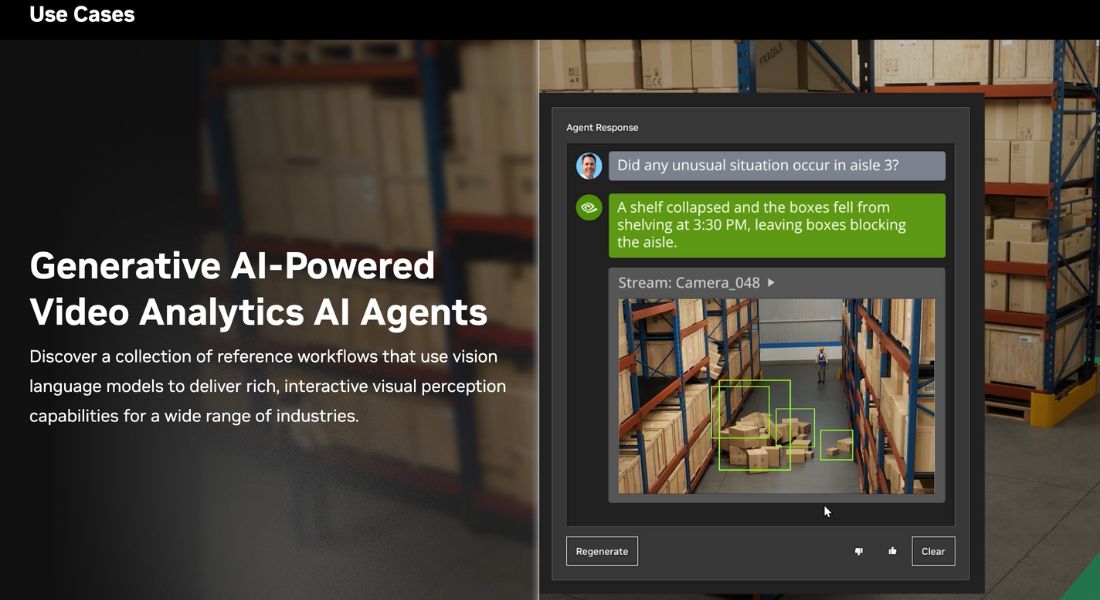
Adoption stat: 82% of executives are investing in workflow automation with AI agents by 2025.
2.2. Multimodal AI — Making AI Smarter
What is it?
Multimodal AI isn’t just about juggling text, images, audio, and video inputs. It’s about blending these formats to create systems that truly understand context. This makes AI smarter, enabling AI-enhanced data analysis, personalized solutions, and decision-making that feels almost human.
Why it matters:
It enables more accurate data analysis, powerful personalization, and streamlined workflows. For example, Snap’s "My AI" chatbot uses multimodal learning to engage users across different contexts.
Snap’s "My AI" chatbot is a prime example. By integrating multiple input types, it delivers seamless, intuitive user experiences. This kind of contextual AI application represents the future of business processes—where smarter tools make workflows simpler and decisions sharper.
Use Cases for Multimodal AI
- Real-time Analysis: Gemini 2.0 can look at recorded screens in real time and offer ways to make the user experience better. It can watch your screen as you use a website, identifying friction points and suggesting improvements.
- Dynamic Content: Multimodal AI can figure out what dynamic content like videos is about and give you detailed comments. For example, it can analyze a YouTube movie and give specific advice on how to tell a story, keep the pace steady, and keep the audience's attention.
- Content Generation: Multimodal AI can create step-by-step instructions from video content, generate natural voiceovers from text, and adapt content for different languages.
Market Growth
The global multimodal AI market is projected to reach $2.4 billion in 2025 and $98.9 billion by 2037, highlighting its rapid growth trajectory.
Unlock key insights into the future of the multimodal AI market—click here to explore the full report now!
2.3. Assistive Search — Finding Information Faster
The problem it solves: Traditional search methods are frustrating and slow. Assistive search powered by enterprise search AI allows users to ask intuitive, conversational queries and get actionable results.
Real-world examples:
Think of teams saving hours of work while accessing what they need in seconds. Companies like Moody’s and Mayo Clinic already leverage these technologies to scan huge datasets with ease. This shift in how we discover information is proving to be a game-changer for knowledge-driven industries.
Market outlook: Assistive search is expected to hit $12.9 billion by 2031.
2.4. AI-Powered Customer Experience — The Gold Standard
The goal: Imagine customer service so flawless it feels invisible. That’s the promise of AI-powered customer experience. With AI-driven personalization, businesses can predict customer needs, provide tailored solutions, and solve issues before they happen.
How it works:
- Identifies customer sentiment.
- Anticipates needs.
- Offers solutions before the customer even asks.
With AI-driven personalization, businesses can transform the way customers engage at every touchpoint. That’s why 55% of organizations are making AI-powered customer experience a top priority.
2.5. AI in Security — Staying Ahead of Threats
Why security matters: Cyber threats are increasing, and businesses must defend themselves. AI for cybersecurity equips companies with tools to predict, detect, and act against potential attacks.
The results:
- Reduced breach costs by $2.2 million on average.
- Stronger compliance and risk management practices.
AI-powered cybersecurity tools are proving invaluable in combating ever-evolving cyber threats:
- Darktrace: AI is used by this company to find and stop possible hacks before they get worse. Darktrace uses unsupervised learning to find strange patterns and automatically reacts to threats.
- IBM Watson for Cybersecurity: IBM's AI system looks at huge amounts of unorganized data to find holes and suggest fixes before they happen. This makes data breaches much less likely.
Key takeaway: Investing in smarter AI systems is essential for both safety and resilience.
III. Roadmap for Successful AI Adoption
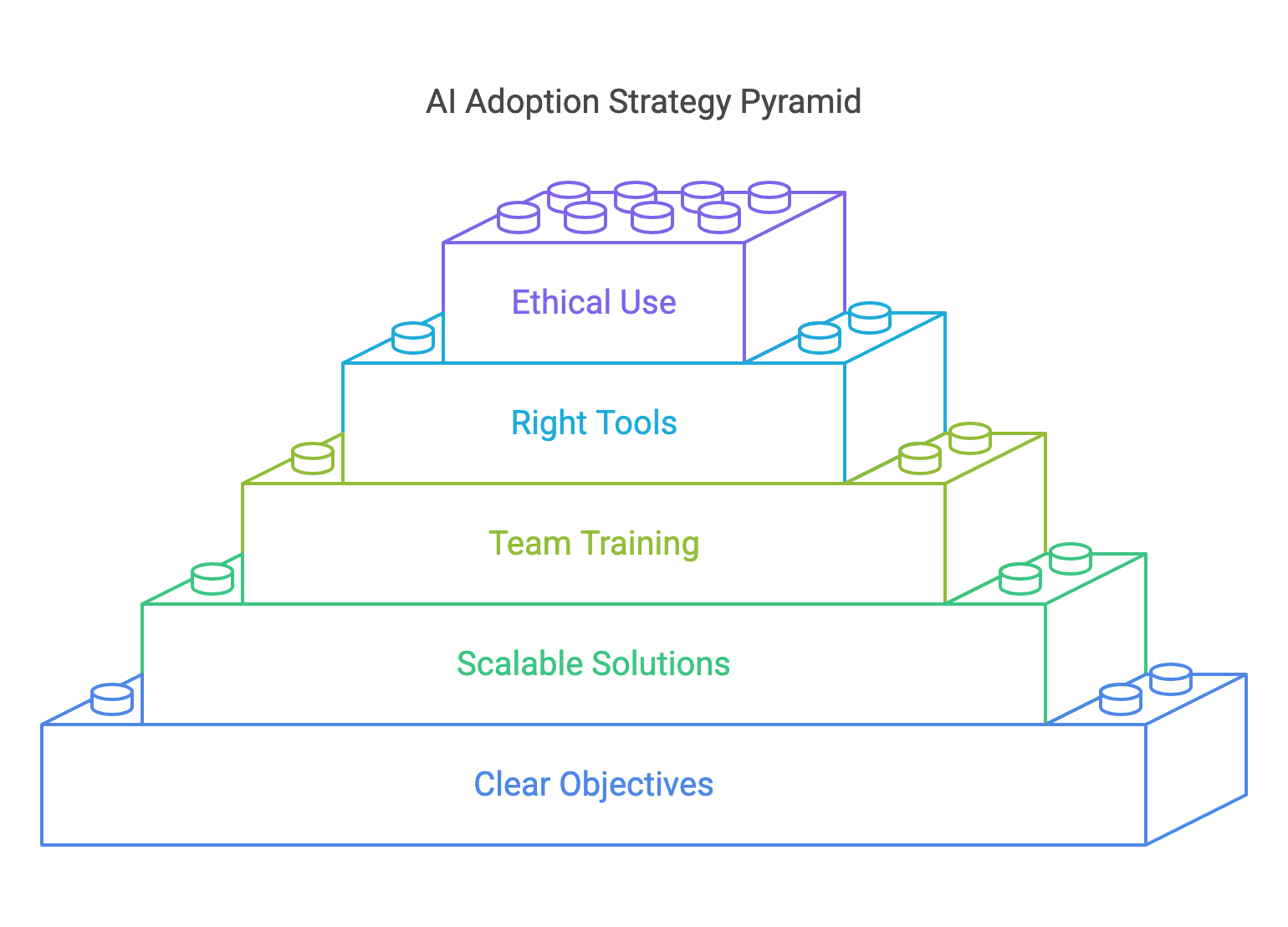
Want to get started with AI? Here’s a step-by-step plan:
- Set Clear Objectives Decide what problem you want AI to solve—whether it’s faster workflows, better customer support, or improved security.
- Start Small with Scalable Solutions Pilot smaller AI models or open-source tools to mitigate risks and test impact.
- Train Your Team Upskill your workforce with AI talent and training programs to make adoption smoother.
- Use the Right Tools Explore AI automation tools, assistive search, and enterprise AI platforms to enhance productivity.
- Be Ethical Build trust by practicing ethical AI use and being transparent about its role in your business.
Pro tip: Test thoroughly before scaling up. Small, measurable wins can pave the way for larger success.
IV. Addressing Challenges
AI adoption isn’t without hurdles, but staying informed and prepared can help you succeed.
- Data quality: Focus on clean data and robust governance systems.
- Costs: Start with cost-effective solutions like open-source tools.
- Environmental impact: Choose energy-efficient, next-gen AI technology.
- Talent gaps: Invest in specialized training to close skill shortages.
Final thought: With the right mindset, these challenges are manageable.
V. What’s Next for AI?
The 2025 AI market trends highlight exciting developments across all industries. From real-world AI solutions to breakthroughs in automation, the opportunities are endless.
Here’s how it’s shaping up in key areas:
- Creativity: AI collaborates with human professionals in art, design, and writing.
- Security: Businesses focus on defending against cyber threats with smarter AI tools.
- Global innovation: Countries race to develop cutting-edge systems, while open-source models create opportunities for collaboration.
Why Now?
The benefits of AI in business are too big to ignore. Whether it’s workflow optimization or gaining a competitive advantage, AI lets you work smarter, not harder.
Take charge now—invest strategically, act boldly, and scale gradually. The companies leading in 2025 are those laying down thoughtful AI strategies today.
Your next step starts here. Will you seize the opportunity?
👉 Want to build your own AI personal agent? Learn how to create a no-code AI agent with ease here.
