





Recently, I decided to put the hype around AI travel planners to the test. With a few weeks of vacation and a desire to simplify my planning, I tried several platforms: Layla.ai, Wonderplan, Wanderlog, Hopper, and TripIt. Each tool promised features to make trip planning smoother and smarter. I learned a lot from my trip to Vietnam. I used travel apps for everything, from making itineraries to managing bookings.
I. Layla.ai – Striking but Overwhelming
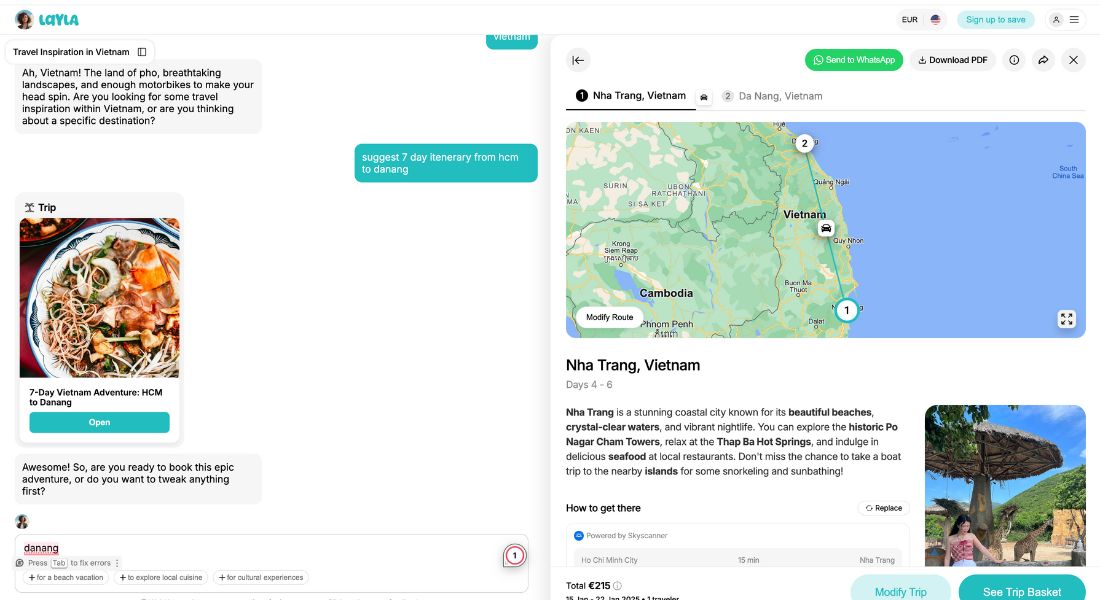
When I first logged into Layla.ai, I was blown away by its design. It felt sleek and intuitive, with visuals that made planning feel more exciting than stressful. I used it to create a detailed, personalized travel planner for my trip. Within minutes of entering my interests—like photography spots, cafes, and tranquil hikes—Layla generated a visually detailed plan complete with customized activity recommendations.
One feature I loved was its social media integration. Seeing actual Instagram posts and curated snapshots of my potential stops was incredibly inspiring. It felt like I had a virtual travel assistant offering curated ideas based on real experiences.
🙈 The downside? Layla sometimes bombarded me with too many options. For instance, while creating an itinerary for Hanoi, it suggested a dozen things for a single afternoon. It looked great at first, but balancing everything without sacrificing my time or energy needed manual adjustment. Plus, the web version wasn’t as seamless as the mobile app, making it frustrating to tweak plans on my laptop.
II. Wonderplan – Simple Yet Useful
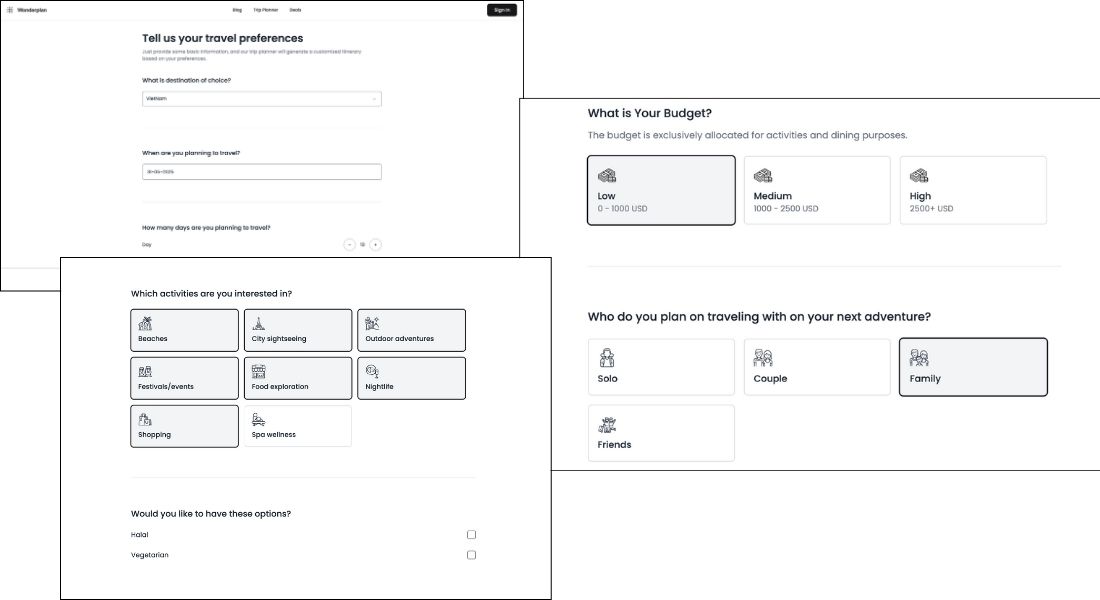
If Layla felt like exploring infinite possibilities, Wonderplan was restrained and to the point. I tested it for my short stops in Da Nang and Hoi An. It helped build a smart trip planner quickly by suggesting a skeleton itinerary as soon as I entered my travel dates and preferences.
The simplicity was wonderful—no frills or flashy distractions, just a functional AI-powered day-by-day travel itinerary that worked. However, it lacked the tailored depth I needed. For example, while I appreciated its list of activities around Hoi An, it didn’t adapt well to my offbeat preferences, like finding hidden artisan shops or less-crowded beaches.
Overall? Wonderplan was a lifesaver for simpler destinations where I just needed broad suggestions. But for trips where I wanted more personality in my plans, it fell short.
III. Wanderlog – The Team Player
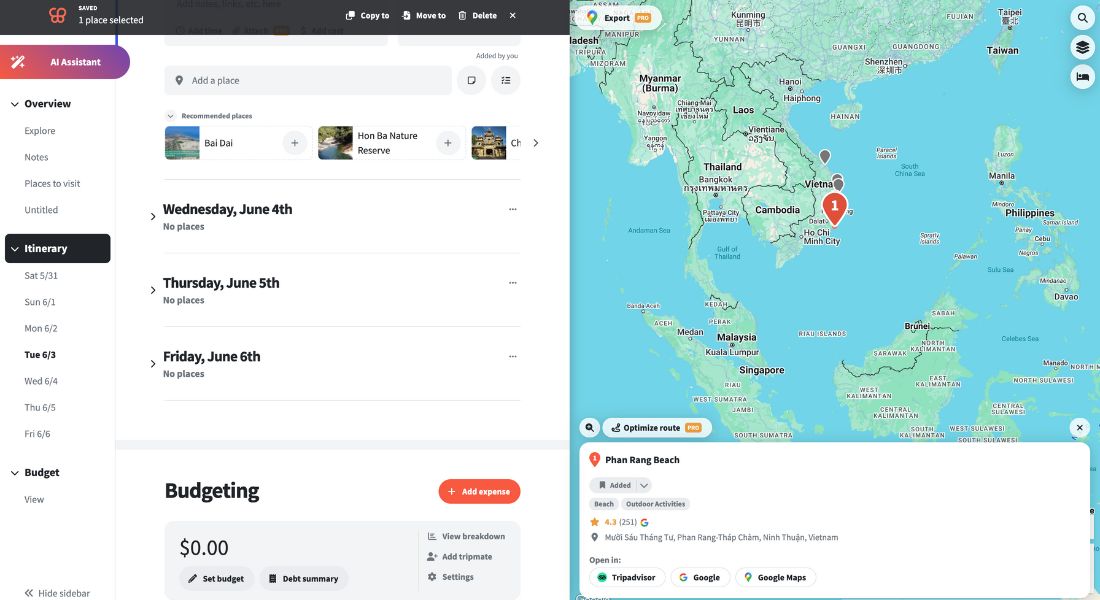
For the group portion of my trip in Phong Nha Ke Bang, I turned to Wanderlog. Its ability to sync with friends and family was a game changer. I invited my travel companions, and everyone could pitch in—from highlighting must-see caves to suggesting meal spots along the way. The tool works efficiently as a collaborative AI road trip planner, making it easy to shuffle activities and adjust our schedule in real time.
However, Wanderlog wasn’t particularly “intelligent.” Unlike other AI travel planners, it wasn’t great at making those intuitive leaps about what I would enjoy. We had to input all our preferences manually. It felt more like a traditional itinerary tool rather than a fully adaptive AI-powered trip assistant.
That said, having offline access to our plans was a big help—especially in areas where the Internet was patchy at best. For group travel planning, I can’t recommend it enough.
IV. Hopper – Perfect for Budgeting
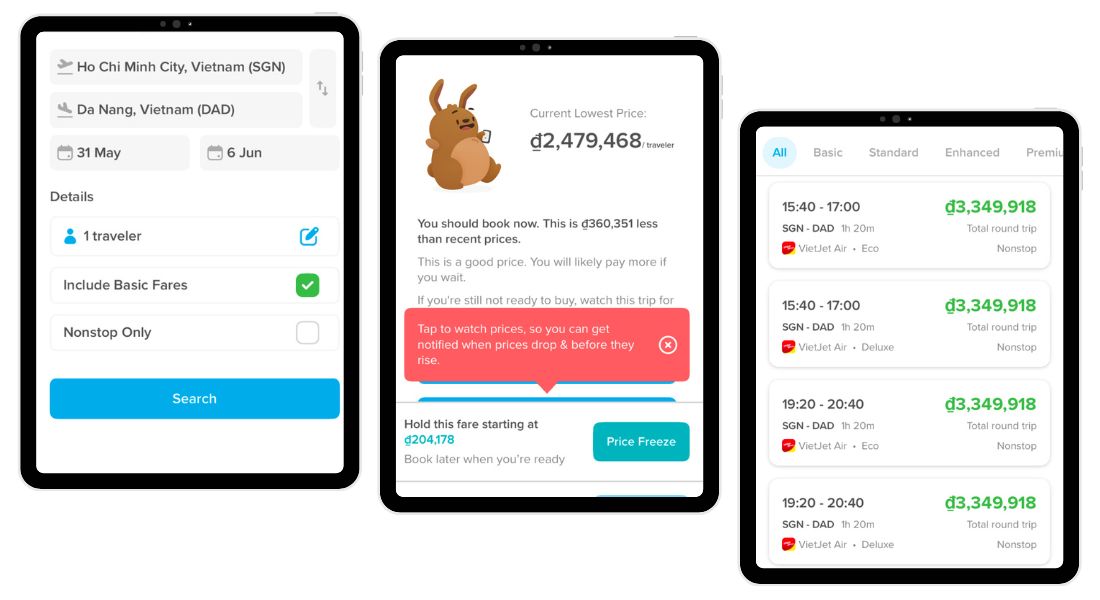
Hopper was my go-to choice for managing and optimizing my travel bookings. I used it exclusively for booking flights from Ho Chi Minh City to Da Nang and found its price prediction capability to be spot on. It tracked fluctuating prices and alerted me when rates dropped, which saved me money. I even tried its “Price Freeze” tool, giving me time to finalize my plans without losing out on great deals.
One drawback was that Hopper's features are in its mobile app. So, when I needed to view my saved options on my laptop, I had to keep switching back to my phone.
For anyone focused on minimizing travel expenses, this smart travel budgeting tool is indispensable. It’s perfect for finding deals and managing travel costs effectively.
V. TripIt – The Ultimate Organizer
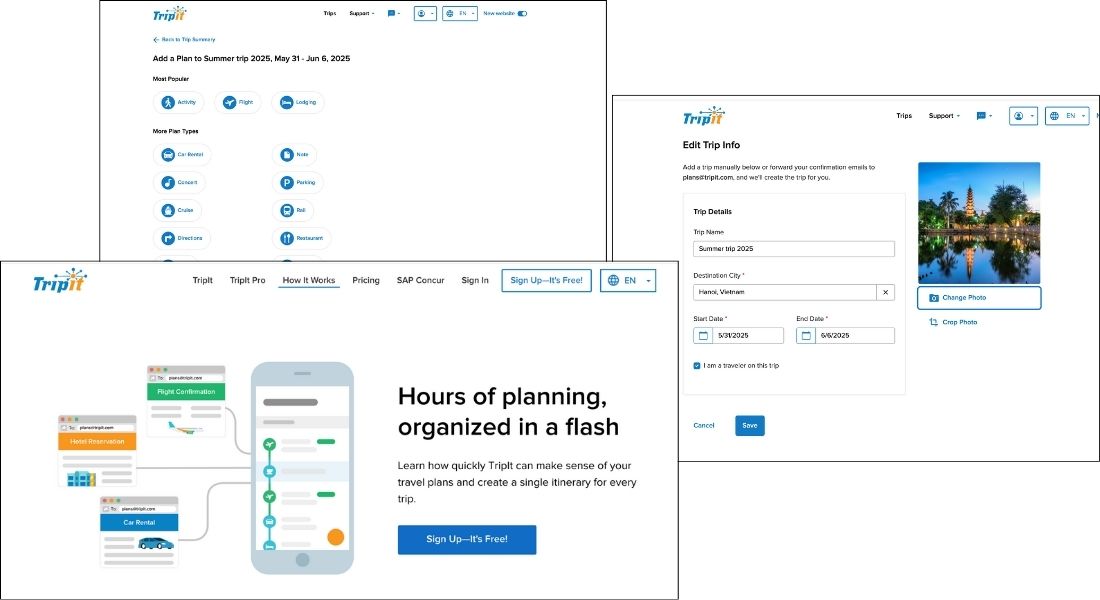
For sheer organization, TripIt stole the show. Vietnam had many moving parts: multiple cities, hotels, and transport bookings. TripIt gave me peace of mind by syncing it all into one app. I simply forwarded my confirmation emails, and it used its automated travel schedule generator to create a cohesive itinerary.
During my layover in Singapore, TripIt’s real-time updates were particularly helpful. Gate changes and minor delays were sent straight to my phone before the airline announced them. However, TripIt wasn’t as engaging or inspiring as an AI travel guide like Layla or Wonderplan—it’s purely for logistics.
For someone juggling multiple plans and confirmations, though, TripIt is like having your own AI-powered trip assistant keeping everything in check.
VI. My Take on AI Travel Planners
Reflecting on my experience, I’d say AI travel planners are incredible for cutting planning time and organizing trips. Each tool had its standout moments:
- Layla.ai for inspiration and aesthetic itineraries.
- Wonderplan for quick, no-nonsense outlines.
- Wanderlog for seamless group coordination.
- Hopper for snagging the best deals with price prediction.
- TripIt for stress-free organization of complex trip details.
Yet, none of these platforms completely replaced my traditional planning tools like spreadsheets and personal research. They’re still evolving, and while they added convenience, I had to combine them with my style of spontaneous exploration and in-depth research to make my trip truly unforgettable.
For my next travel adventure, I’ll gladly use these AI travel planners again. I’m hopeful that as machine learning for travel optimization improves, these systems might get even better at understanding my quirks and preferences.
✈️ Need seamless internet while traveling?
Don't let spotty connections ruin your AI-planned adventure! Grab a Gohub Travel eSIM — instant activation, affordable rates, and reliable coverage in 100+ countries.
👉 Get your eSIM now with Gohub!
✌️Comparing AI Travel Planning Tools
To further clarify the strengths and weaknesses of each tool I tested, I’ve created a comparison table. This will help pinpoint which AI travel planner might work best for your specific travel needs. Below, I’ve outlined the key features, pros, cons, and a personal rating for each one.
| Tool | Key Features | Pros | Cons | Rating |
| Layla.ai | Personalized itineraries, social media integration, activity booking links | - Highly customizable itineraries - Visual inspiration from social media - Easy-to-use app interface | - Can feel overwhelming due to too many options - Clunky web interface | ★★★★☆ (4/5) |
| Wonderplan | Simplified itineraries, integrated mapping | - Quick to generate plans - Straightforward and easy to use - Great for basic planning | - Limited personalized suggestions - Lacks depth for travelers seeking unique experiences | ★★★★☆ (4/5) |
| Wanderlog | Collaborative planning, offline access, all-in-one trip management | - Perfect for group travel - Free version offers great value - Useful offline features | - Manual input required for most activities - Few AI-generated recommendations | ★★★★☆ (4/5) |
| Hopper | Price prediction, price freeze, flight and hotel booking | - Amazing at finding deals - Accurate price predictions - Budget-friendly features | - Restricted to mobile app only - Some features require in-app purchases | ★★★★☆ (4/5) |
| TripIt | Automated itinerary, real-time travel updates, centralized trip management | - Great for organizing multi-destination trips - Real-time notifications are helpful - Easy-to-track plans | - Requires manual email forwarding - No personalization or activity recommendations | ★★★★☆ (4/5) |
VII. Wrapping Up
If you’re considering using AI travel planning tools, my advice is simple: try a mix of platforms to complement your style. If you want a travel app, there's a perfect match for you. Try TripIt for a simple planner, Layla.ai for a fancier one, or Wanderlog for collaboration. But always leave room for surprises—because the best parts of travel aren’t always in the itinerary.
VIII. FAQ About AI Travel Planners
1. What is an AI travel planner?
An AI travel planner is a digital tool that uses artificial intelligence to help you organize and manage your trips. These tools simplify travel planning. They generate itineraries, suggest bookings, and provide real-time updates.
2. How do AI travel planners work?
AI travel planners use machine learning. It analyzes user preferences, past data, and travel trends. They provide custom travel recommendations for activities, routes, and places to stay. They can adjust plans as circumstances change.
3. What are the benefits of using an AI travel planner?
AI travel planners save you time by automating research and itinerary creation. They offer smart trip planners, price tracking, and custom options. Many apps also offer real-time updates and budget management features.
4. Are there any drawbacks to using an AI travel planner?
While these tools are efficient, they may lack the human touch or creativity found in personal recommendations. Some travel planning apps also require a learning curve or involve subscription fees for advanced features.
5. How do I choose the best AI travel planner?
Consider your travel needs. If you want detailed personalization, go for a personalized travel planner like Layla.ai. For group travel, tools like Wanderlog are ideal. Compare features, costs, and ease of use to pick the best one for your trip.
6. Can AI travel planners help with budget travel?
Yes, many AI travel planners, such as Hopper, specialize in budgeting tools. They have smart travel budgeting features. They include price predictions and alerts. They ensure you get the best deals on flights and hotels.
7. Are AI travel planners suitable for road trips?
Absolutely! Tools like Roadtrippers and Wanderlog function as AI road trip planners, helping you map out routes, find stops along the way, and manage schedules for long drives.
8. Do AI travel planners work offline?
Some apps, like Wanderlog, offer offline access, allowing you to view saved itineraries and plans even without an internet connection. Check the tool’s features to confirm offline compatibility.
9. Can AI travel planners handle group travel?
Yes, many tools are designed for group coordination. They include collaborative features, shared itineraries, and even individual task assignments to ensure seamless planning for group trips.
10. Are AI travel planners safe to use for bookings?
Most travel planning apps prioritize secure payments and work with trusted platforms for bookings. Always verify the app's payment security and authenticity before making any transactions.
