



Imagine having a passive income stream powered by AI, with minimal technical skills required. In 2024, the GPT Store from OpenAI presents one of the most exciting opportunities to make this a reality. You don’t need to be a developer to get in on the action. By tapping into the growing demand for custom AI assistants—GPTs—you can start generating income in a matter of hours.
This guide will walk you through everything you need to know to start leveraging GPTs and set yourself up for success. Whether you're new to AI or looking to expand your expertise, this will be your roadmap for getting started.
What Exactly Are GPTs and Why Are They Important?
GPTs are powerful AI-driven assistants designed for specific tasks. Think of them as specialized versions of ChatGPT, tailored to meet distinct needs. These assistants can solve particular problems, automate tasks, and provide custom solutions—perfect for creating tools that others will pay for.
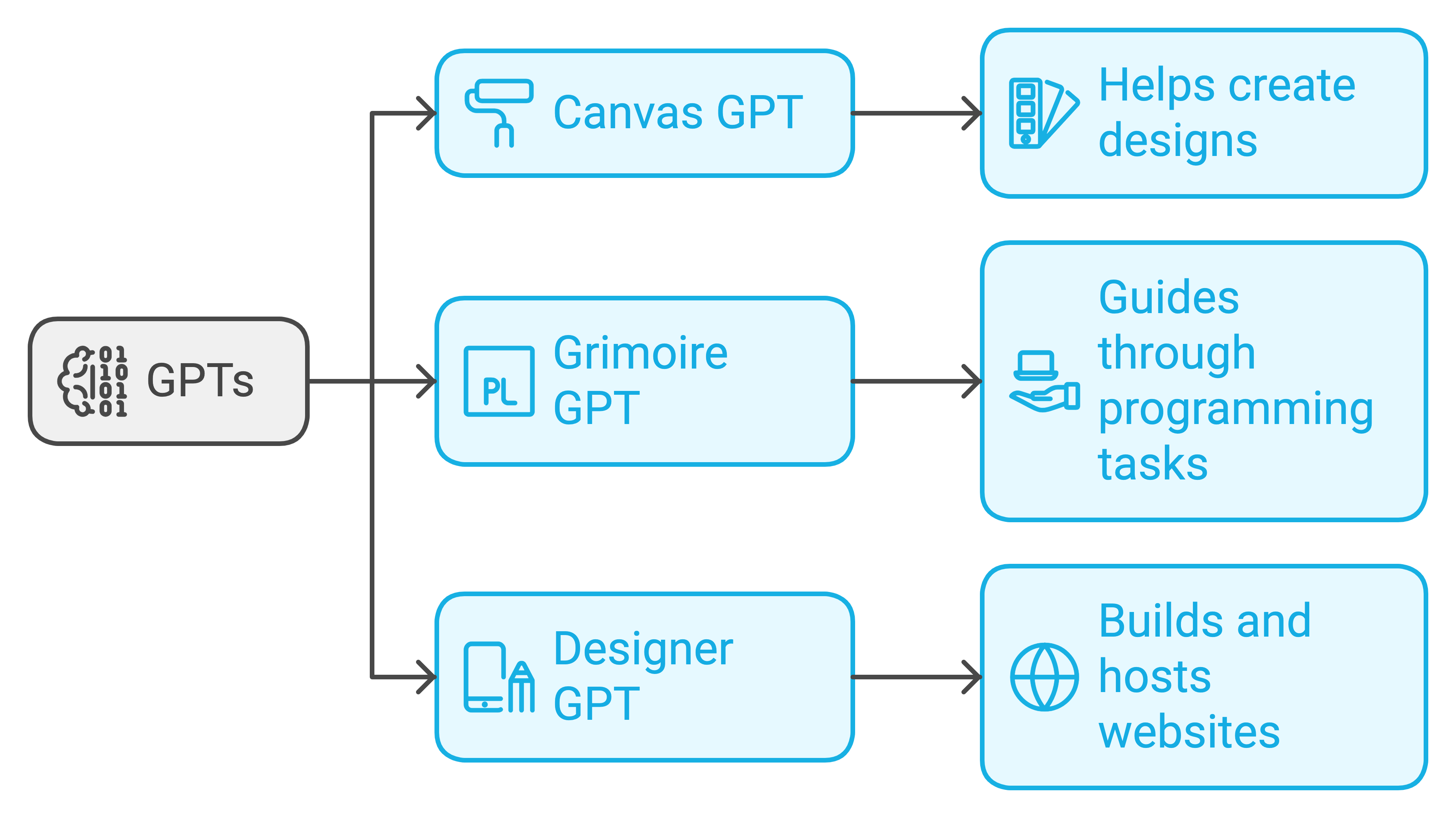
Here are some examples of what GPTs can do:
- Canvas GPT: Helps create designs based on simple commands.
- Grimoire GPT: Acts as a coding assistant, guiding users through complex programming tasks.
- Designer GPT: Builds and hosts entire websites from a single text prompt.
GPTs can serve many purposes, from automating everyday tasks to providing high-level analysis in specialized fields. For instance, you can create a GPT that helps businesses draft personalized marketing emails or one that generates interactive educational content for online courses. Because of their adaptability, GPTs are perfect for a variety of sectors, such as e-commerce, marketing, banking, and healthcare. You are able to produce material that seems organic to the community.
With the GPT Store, you can easily share and monetize these tools. Once you’ve built something valuable, you can list it on the store, making it accessible to a large user base.
The GPT Store: Why It’s a Game-Changer for 2024
In the world of tech, being an early adopter is often the key to success. We’ve seen this with previous trends like the App Store, Facebook Ads, and TikTok. Those who moved quickly were able to secure large audiences and significant revenue early on. The GPT Store offers the same potential, and right now, the playing field is still wide open.
Here’s why it’s important:
- Early Advantage: Those who build GPTs early can dominate the market and get ahead of future competition.
- Low Entry Barrier: You don’t need extensive coding skills. Anyone can effectively learn to make and sell GPTs if they take the appropriate approach.
Whenever a new platform emerges, first movers gain an exponential advantage. Early entrants into the GPT Store will capture more attention and users, giving them a head start that could result in significant profits.
Why Learning to Build AI Agents is a Vital Skill in 2024
GPTs are just the beginning. Learning how to build AI agents is a powerful skill that will be in high demand across industries. These AI agents go beyond simple tasks and are capable of automating entire business processes, assisting with decision-making, and transforming how companies operate.
Consider this: in the past, websites and mobile apps were essential for businesses. Now, AI assistants are becoming the new must-have technology. Companies are investing heavily in these tools to streamline operations and improve efficiency.
By mastering this skill, you position yourself to offer valuable AI solutions to businesses, opening the door to highly profitable opportunities.
5 Key Skills You Need to Create Profitable GPTs
If you want to generate real income with GPTs, building a basic one isn’t enough. The top earners focus on crafting tools that offer tangible value and solve specific problems. Let’s break down the five essential skills you need to build high-quality GPTs that people will pay for:
Researching the Market and Identifying Opportunities
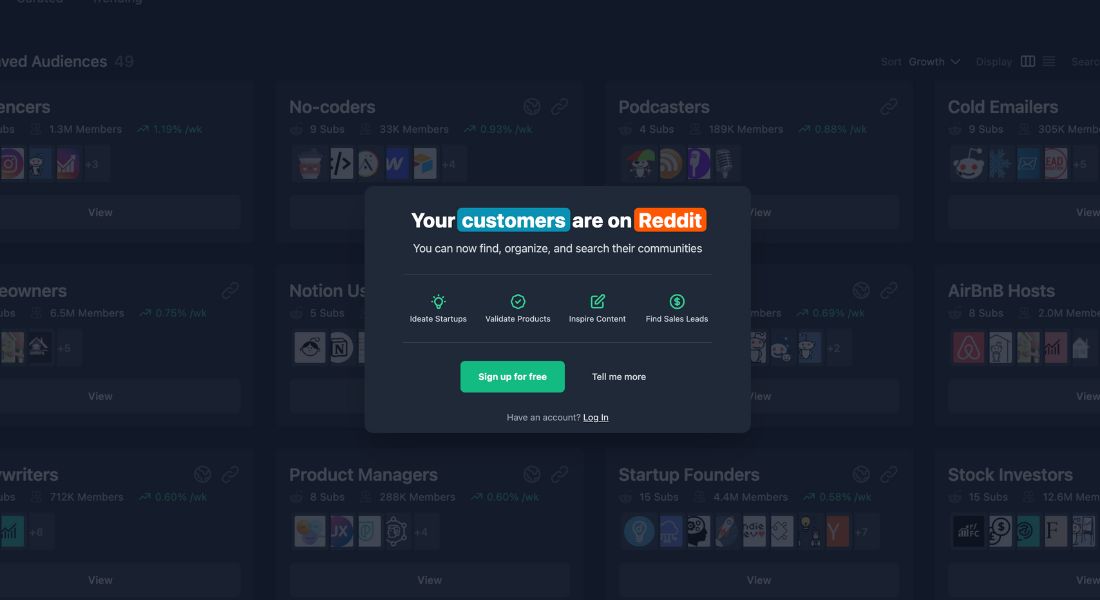
The foundation of any successful GPT is understanding what your target audience needs. You need to pinpoint a problem worth solving. Start by using platforms like Reddit and YouTube, where people discuss common frustrations. Use tools like Gummy Search to mine these conversations for gold.
Tip: Focus on recurring pain points among professionals like marketers, entrepreneurs, or writers who already use ChatGPT. These users are more likely to pay for a GPT that saves them time or improves efficiency.
Collecting and Organizing Data
A good GPT requires accurate data. To differentiate yourself from competitors, aim to collect data that isn’t readily available. Exclusive data from research reports, company documents, or private sources can make your GPT more valuable.
Tip: Public data is widely available, but exclusive or private data will give you an edge in terms of accuracy and usability.
Crafting Effective Prompts
The prompts you design for your GPT are what guide it to deliver quality results. Mastering prompt writing is crucial to building a functional, high-performing GPT. Your ability to craft clear, precise instructions will set you apart from others in the market.
Expanding Functionality with Tools and APIs
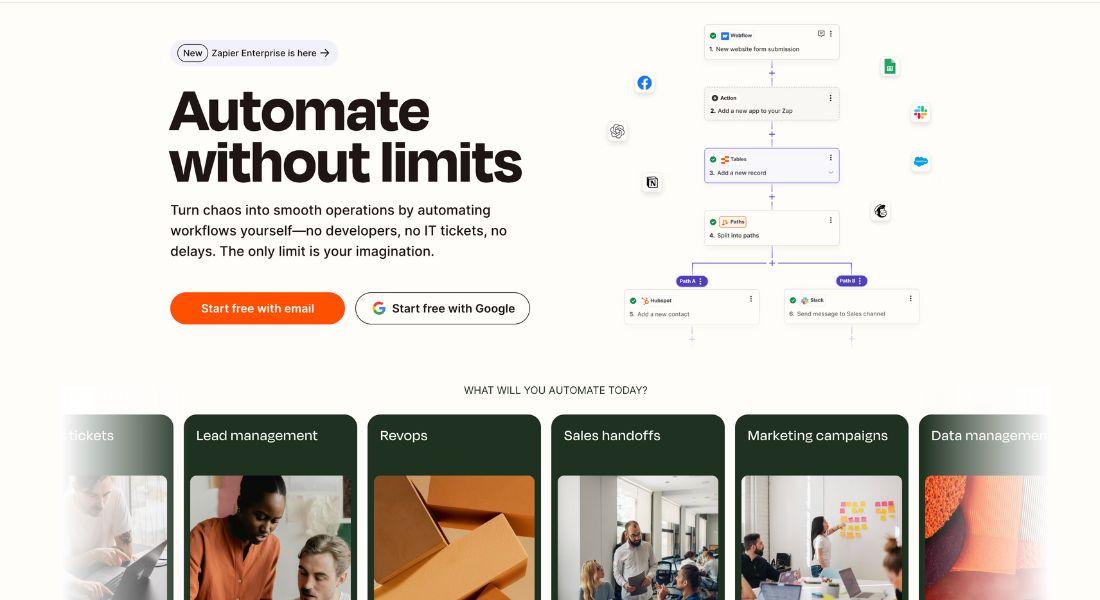
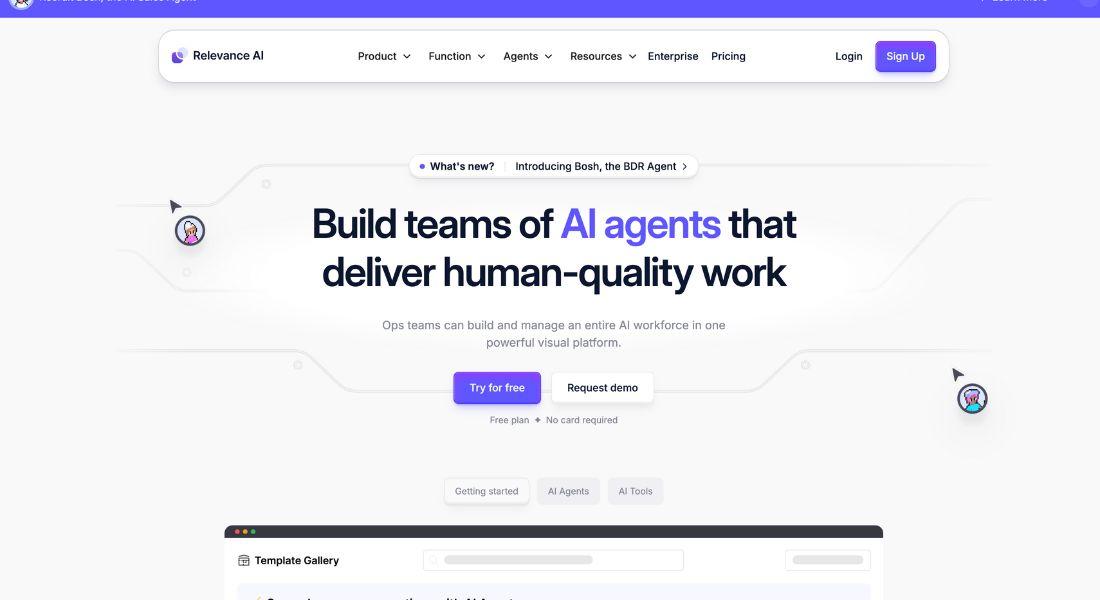
Don’t limit your GPT to basic text responses. Integrate custom actions that allow your GPT to perform tasks like fetching data, sending emails, or analyzing documents. Platforms like Relevance AI or Zapier make it easy to add these advanced features without coding.
Tip: Use API integrations to supercharge your GPT. Imagine a financial GPT that pulls in live stock prices or generates real-time reports. These features will make your tool far more valuable to users.
Effective Marketing
Once you’ve built your GPT, it’s time to promote it. Even the most effective tools will go unnoticed if you don’t market them properly. Use platforms like Twitter, YouTube, and LinkedIn to share the value your GPT provides.
Tip: Make your GPT stand out by designing an eye-catching logo and choosing a memorable name. Don’t forget to highlight its benefits and how it solves a common problem for users.
Step-by-Step Guide to Building Your First GPT
Now that you know the key skills, here’s a practical guide to creating your first GPT:
Choose a Specific Problem to Solve
Start by identifying a clear use case. For example, you might build a GPT that helps small businesses write SEO-optimized blog posts or one that automates customer service replies for e-commerce stores.
Begin Building with ChatGPT
Head to the GPT Builder and start inputting your prompts and actions. This is where you’ll design how the GPT interacts with users and what kind of responses it gives.
Add Custom Features
Use platforms like Relevance AI to integrate additional features, such as connecting your GPT to a database or enabling it to send personalized emails. These custom features can significantly enhance the usefulness of your GPT.
Test and Refine
Testing is a crucial part of the process. Use the GPT testing feature to ensure it functions as expected. Tweak your prompts, data sources, or actions to improve its performance.
Deploy Your GPT Beyond ChatGPT
To maximize its reach, consider deploying your GPT outside of OpenAI’s platform. Tools like Agentive allow you to integrate your GPT with websites, Slack channels, or other environments.
Why GPTs Are Just the Start of AI Opportunities
Creating GPTs is just one part of a much larger picture. Companies are already using AI agents to do complicated jobs like automating customer service, optimizing internal workflows, and deriving conclusions from massive amounts of data.Anyone can effectively learn to make and sell GPTs if they take the appropriate approach. The companies that adopt these tools will become more efficient and profitable, and they’ll pay well for those who can provide the solutions.
You can also offer GPT-building services for organizations that don’t have the in-house expertise to create their own AI tools. This can lead to highly lucrative opportunities, such as consulting on how to implement GPTs or automating a company’s processes with custom-built AI agents.
Conclusion: Your Path to Wealth with GPTs in 2024
The GPT Store is the gateway to passive income in 2024. By following the steps in this guide and honing the essential skills, you can create GPTs that solve real-world problems, generate revenue, and provide value to users.
Here’s your action plan:
- Pick a niche and identify a problem worth solving.
- Create a custom GPT that addresses that problem.
- Test and deploy it, both within and outside OpenAI’s ecosystem.
- Start earning and build on those skills to create more advanced AI agents.
Now’s your chance to get ahead in the AI revolution. Don’t wait for the competition to catch up—start building your GPT today, and take the first step toward unlocking new income streams in 2024. The opportunity is wide open, but the window won’t stay open forever. Make 2024 the year your GPTs start working for you.
Ready to start your GPT journey? Don’t miss out on this opportunity to build wealth with AI. Get ahead by learning how to create profitable GPTs. Start today and unlock the potential of the GPT Store!
FAQs
1. Do I need to be a developer to create a GPT?
No, you don’t need any coding skills to create a GPT. Platforms like the GPT Builder allow you to design and deploy your GPTs with minimal technical knowledge. However, learning basic prompt writing and integrating APIs can make your GPT more valuable.
2. How much money can I make with GPTs?
The earning potential varies depending on the GPT you create and how effectively it solves a problem. The GPT Store's early adopters will probably have a better chance of making a sizable profit. For example, GPTs that offer high-value services, such as automating tasks for businesses, can generate substantial revenue.
3. What kind of data should I use in my GPT?
Publicly available data is a good starting point, but for a competitive edge, use exclusive or proprietary data. This could include company documents, industry reports, or hard-to-find research. The more specialized your data, the more accurate and valuable your GPT will be.
4. How do I market my GPT?
Effective marketing is crucial for getting your GPT noticed. Use platforms like Twitter, YouTube, and LinkedIn to share how your GPT solves a specific problem. Make sure to create a strong logo, choose a memorable name, and explain the value of your GPT clearly.
5. Can I deploy my GPT outside of the GPT Store?
Yes! Tools like Agentive allow you to deploy GPTs in environments outside of OpenAI’s platform. You can integrate your GPT with websites, Slack channels, or other platforms, expanding your reach and increasing potential earnings.
