
Gradient Labs

What is Gradient Labs AI?
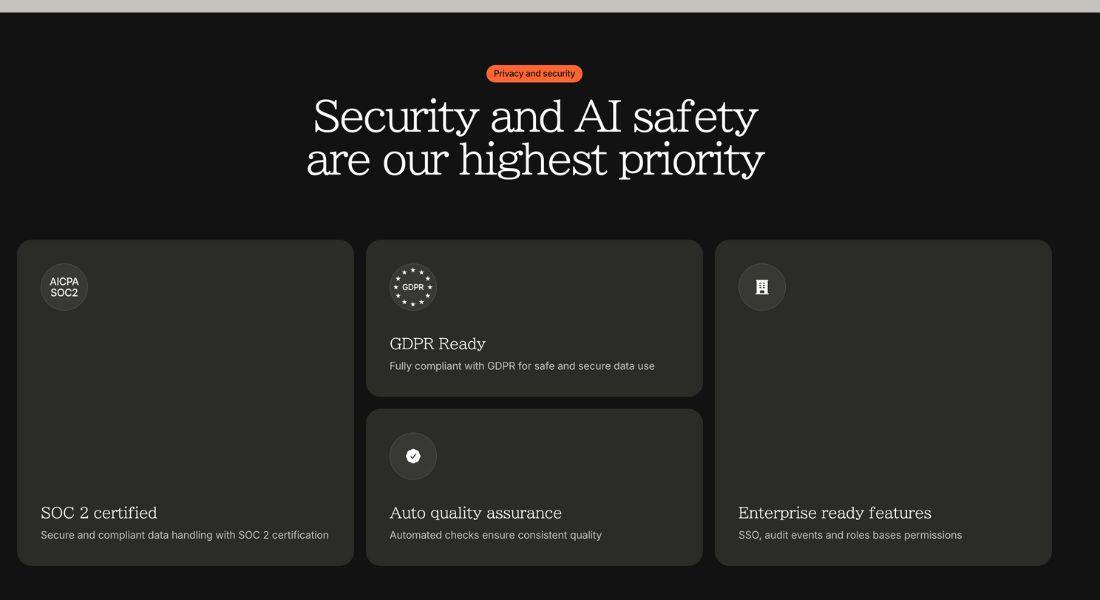
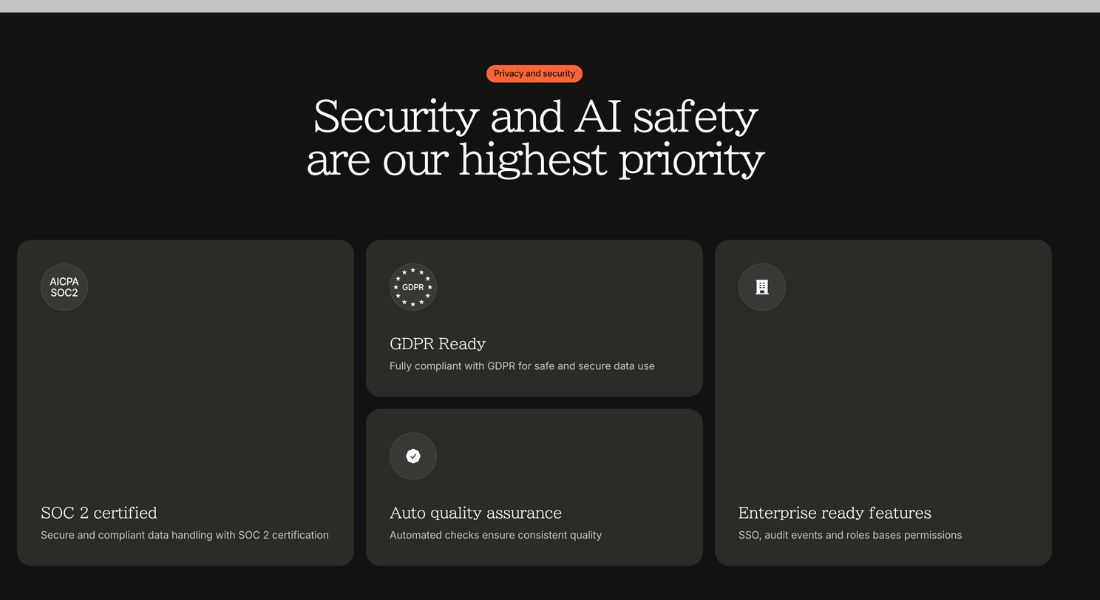
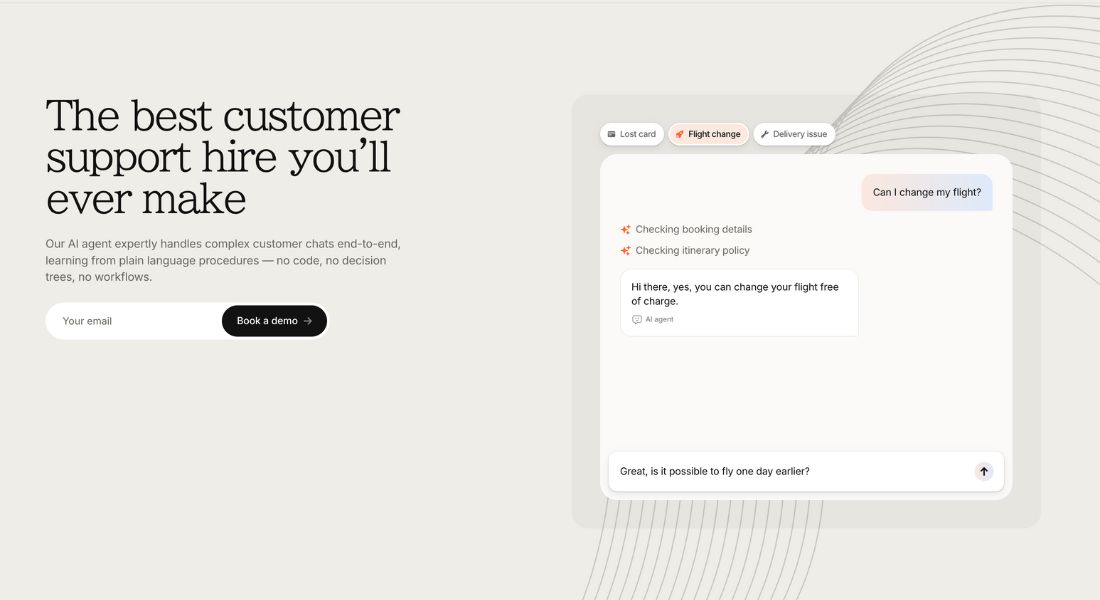
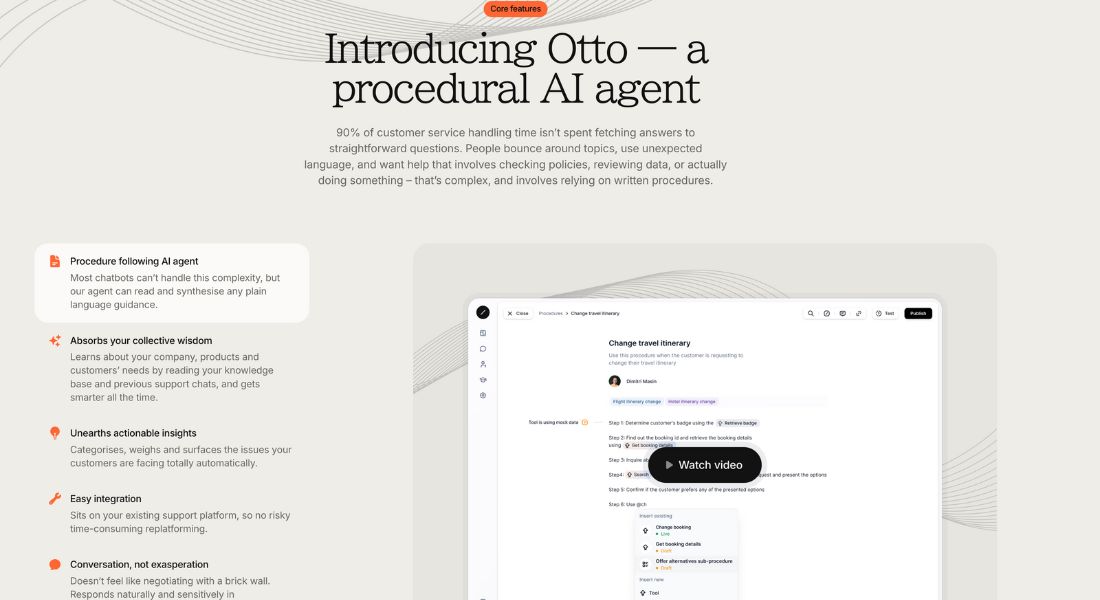
Gradient Labs AI is a powerful platform designed to provide effortless automation and intelligent solutions for business operations. By combining machine learning, AI, and workflow automation, it simplifies complex processes, boosts efficiency, and helps businesses make smarter decisions.
Key Features
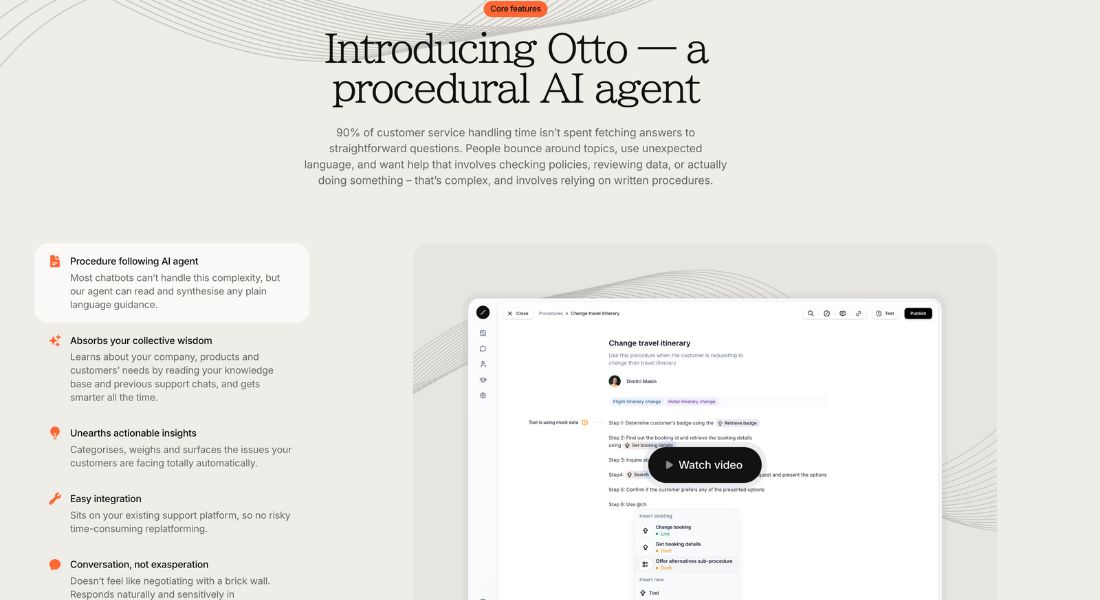
- Effortless Automation Workflows:
- Automate repetitive tasks using advanced AI models.
- Benefit: Streamlines operations and eliminates manual bottlenecks.
- Custom AI Models:
- Build and deploy machine learning models specific to your needs.
- Benefit: Provides tailored solutions for unique business challenges.
- Data Analysis and Predictive Insights:
- Analyze large datasets and predict trends in real time.
- Benefit: Enhances decision-making with actionable insights.
- Seamless Tool Integration:
- Integrate with CRMs, databases, and other tools for smooth implementation.
- Benefit: Ensures workflows run seamlessly without disruptions.
- No-Code User Experience:
- Access AI-powered tools with a simple, intuitive interface.
- Benefit: Enables non-technical users to benefit from AI solutions.
Pros & Cons
Pros
- Provides effortless automation for complex processes.
- Supports custom AI model creation for unique needs.
- Enhances workflows with seamless integrations.
- User-friendly, requiring no technical expertise.
- Improves decision-making with predictive analytics.
Cons
- Initial AI model setup may take time.
- Requires internet for AI functionality.
- Advanced features may require training for optimal use.
Who is Using Gradient Labs AI?
Gradient Labs AI benefits various businesses looking for effortless automation and data-driven solutions:
- Startups: Automate workflows to focus on scaling operations.
- Enterprises: Leverage predictive insights for data-driven strategies.
- E-commerce Teams: Analyze customer data to optimize marketing and sales.
- Finance Teams: Automate financial reporting and enhance forecasting accuracy.
Pricing
Gradient Labs AI offers flexible pricing plans:
- Free Trial: Explore core AI features and automation tools.
- Pro Plans: Access advanced AI capabilities, integrations, and premium support.
What Makes Gradient Labs AI Unique?
Gradient Labs AI combines effortless automation with powerful AI and machine learning tools. Its unique ability to build custom models, analyze data, and integrate with existing tools allows businesses to simplify processes, make better decisions, and optimize operations.
FAQs About Gradient Labs AI
1. What is Gradient Labs AI used for?
Gradient Labs AI simplifies business workflows, automates tasks, and provides predictive data insights.
2. Is Gradient Labs AI user-friendly for non-technical teams?
Yes, it offers an intuitive, no-code interface for easy accessibility.
3. Can Gradient Labs AI integrate with my tools?
Yes, it integrates with CRMs, data warehouses, and other platforms seamlessly.
4. How does Gradient Labs AI optimize workflows?
It uses AI automation to streamline repetitive processes, saving time and resources.
5. Does Gradient Labs AI offer predictive analytics?
Yes, it provides advanced data analysis and predictive insights for decision-making.
6. Can I try Gradient Labs AI for free?
Yes, a free trial is available to explore its core features.
7. What industries benefit the most from Gradient Labs AI?
Startups, enterprises, finance, and e-commerce businesses leverage its automation and AI tools.
How We Rated It
- Accuracy and Reliability: 4.7/5
- Ease of Use: 4.6/5
- Functionality and Features: 4.8/5
- Performance and Speed: 4.6/5
- Customization and Flexibility: 4.7/5
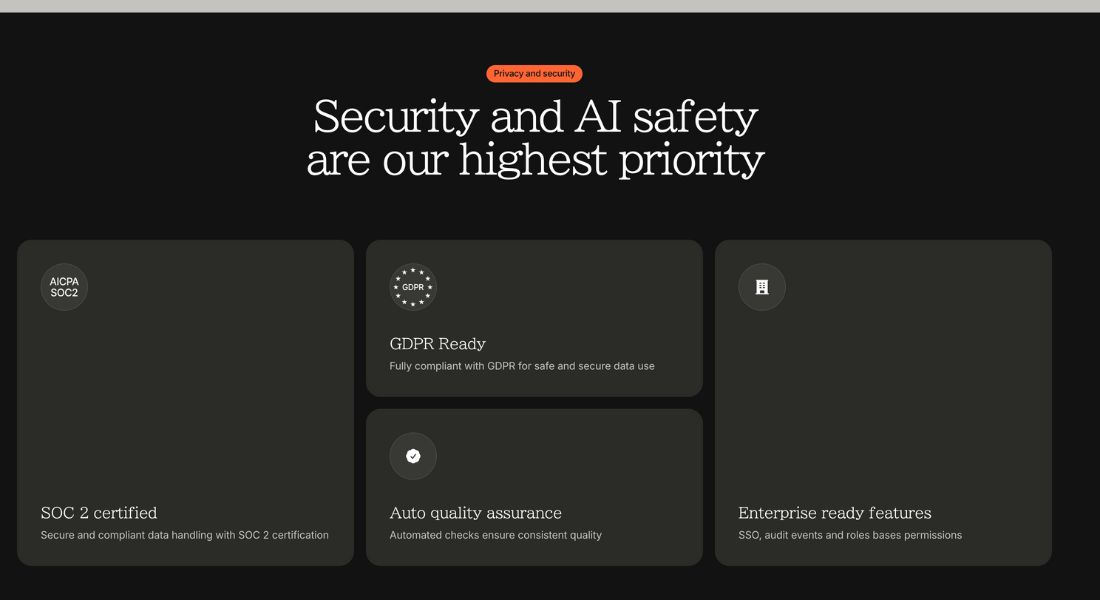
- Data Privacy and Security: 4.6/5
- Support and Resources: 4.5/5
- Cost-Efficiency: 4.4/5
- Integration Capabilities: 4.6/5
Overall Score: 4.6/5
Summary
Gradient Labs AI delivers effortless automation and AI-powered insights, helping businesses streamline operations and make data-driven decisions. Its customizable models, predictive analytics, and no-code interface make it an ideal solution for startups, enterprises, and e-commerce teams.
Explore Gradient Labs AI to transform your business workflows and unlock new levels of efficiency.
Gradient Labs Launch embeds
Use website badges to drive support from your community for your AI Journey Launch. They're easy to embed on your homepage or footer.


GALLERY
Featured image represents the contents
Empowering You With AI JOURNEY Discover, Learn, Master!
Get the latest on AI!
Subscribe for helpful tips, updates, and exciting news delivered straight to your inbox. Stay in the loop and level up your skills. Join us today!
Categories
Resources
Copyright © 2024 AI Journey LLC. All rights reserved.